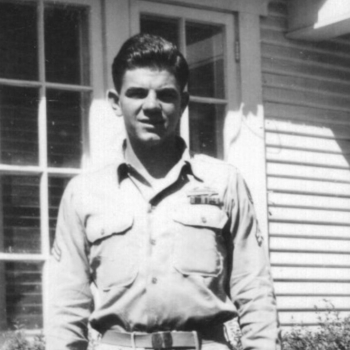
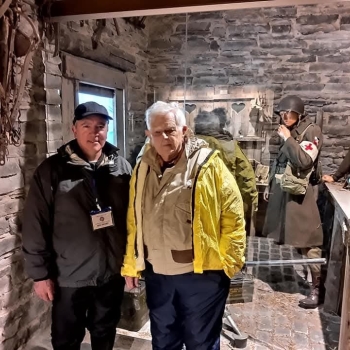
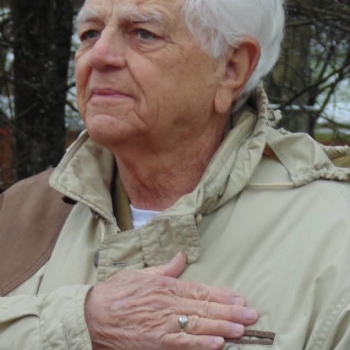
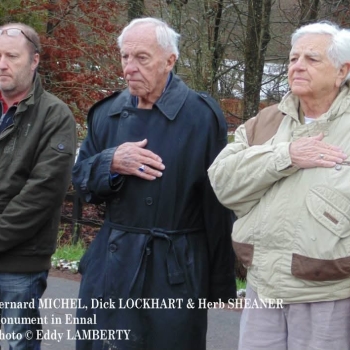
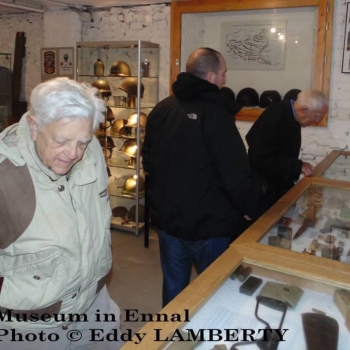
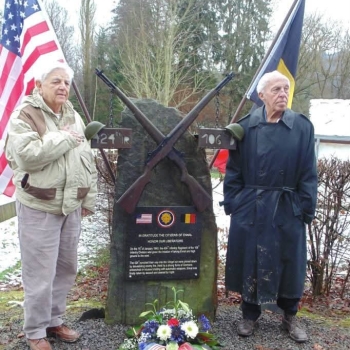
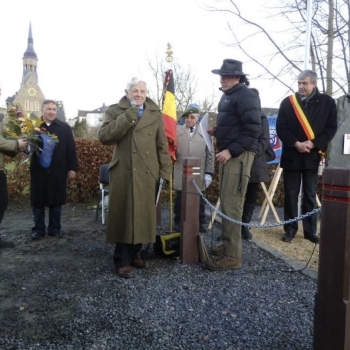
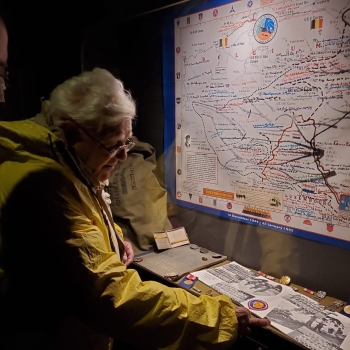
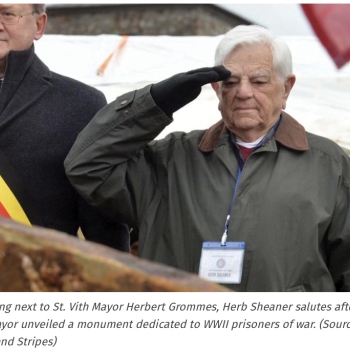
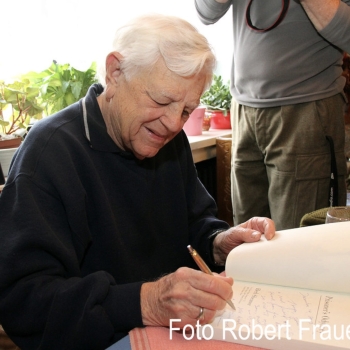
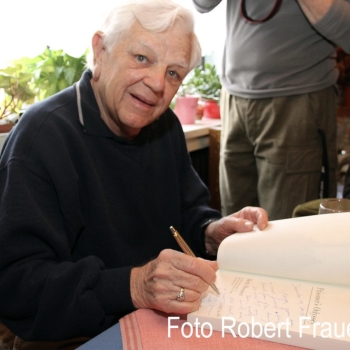
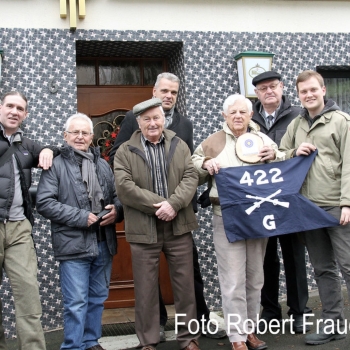
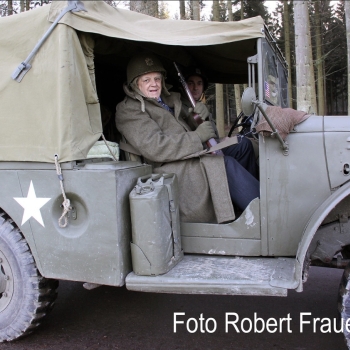
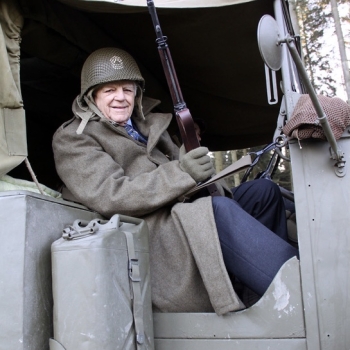
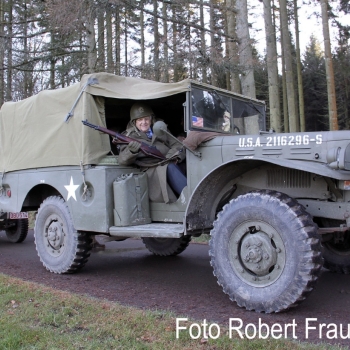
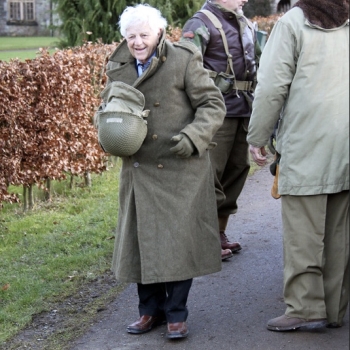
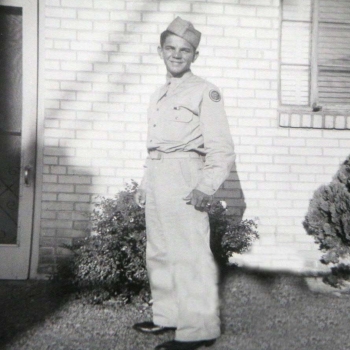
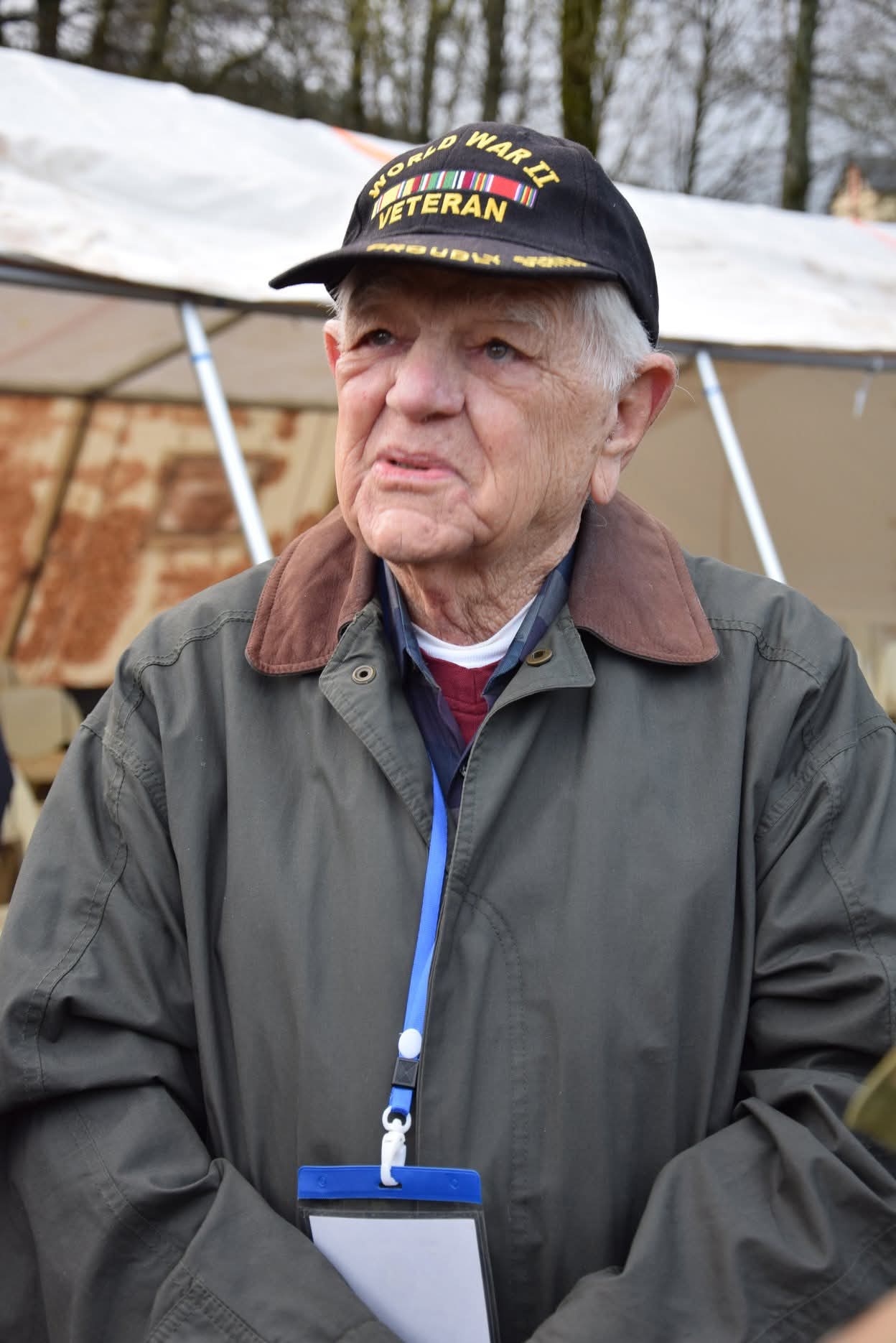
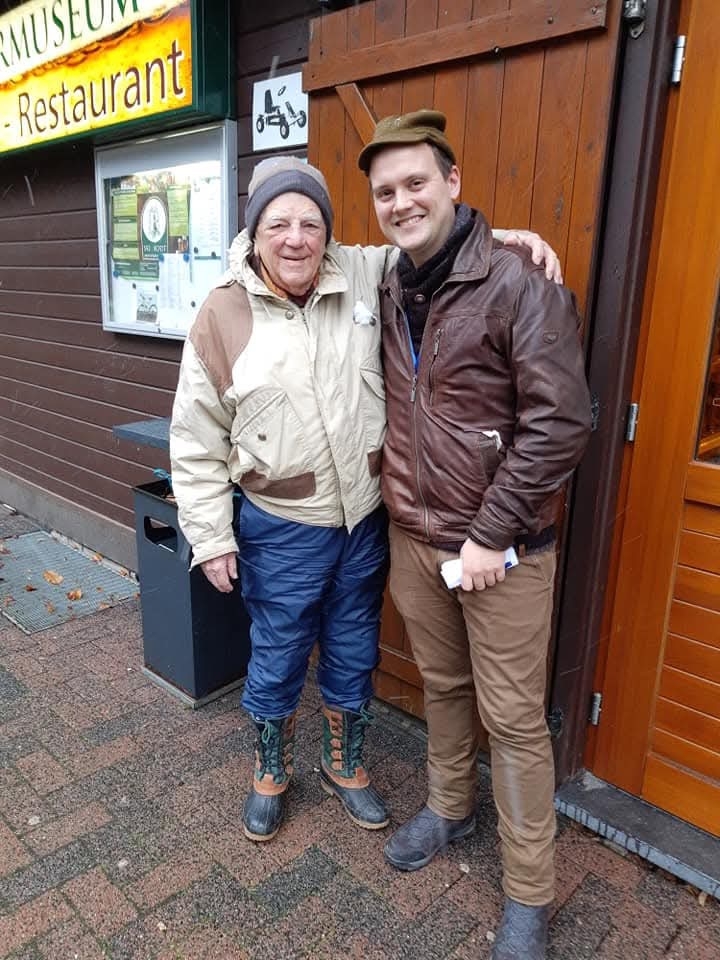
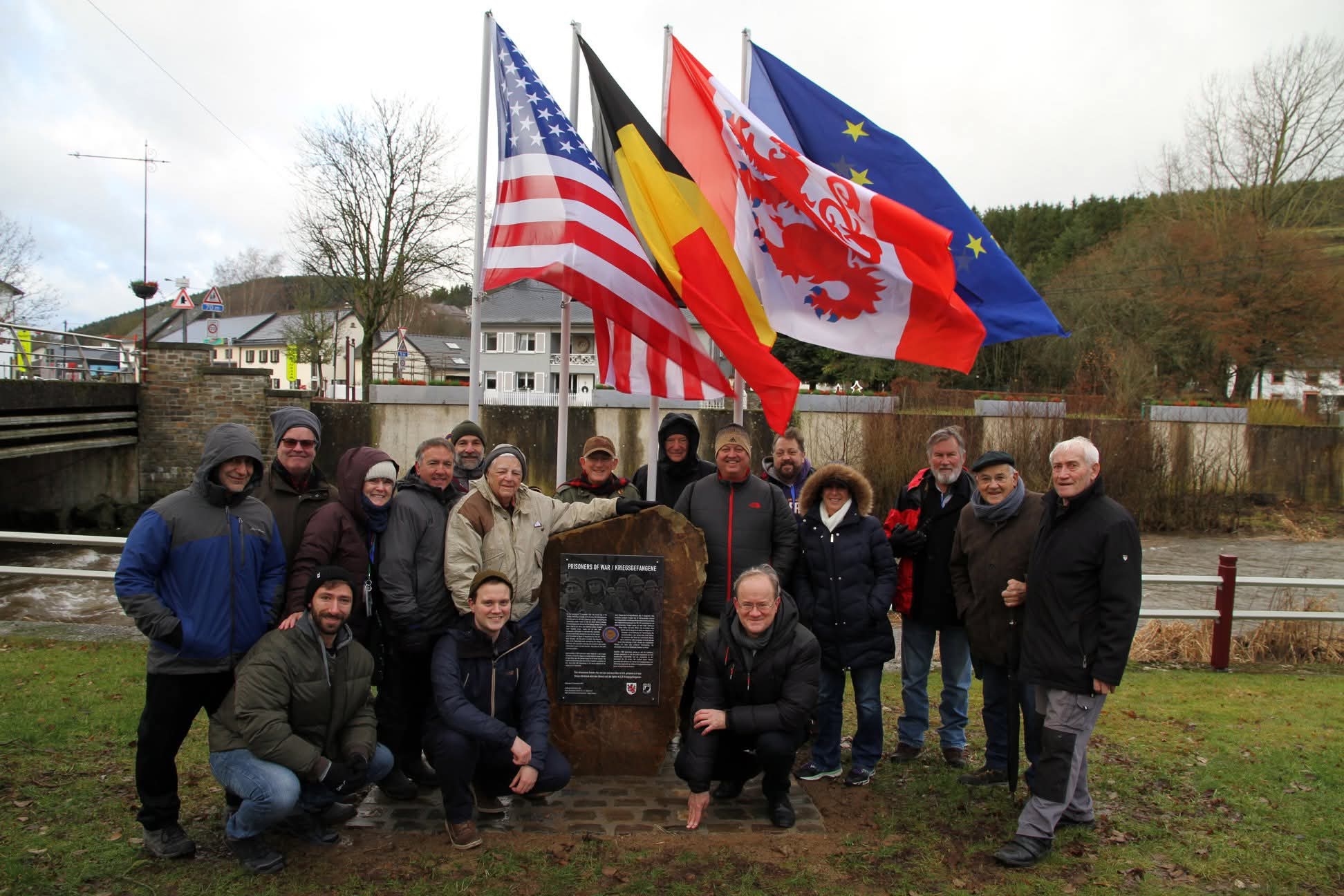
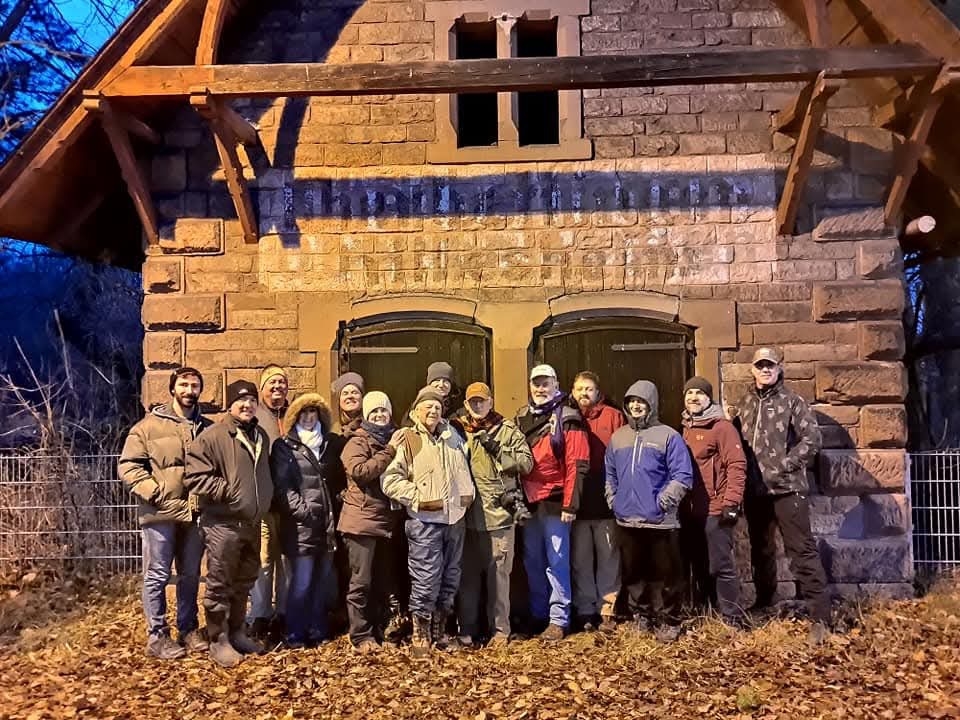
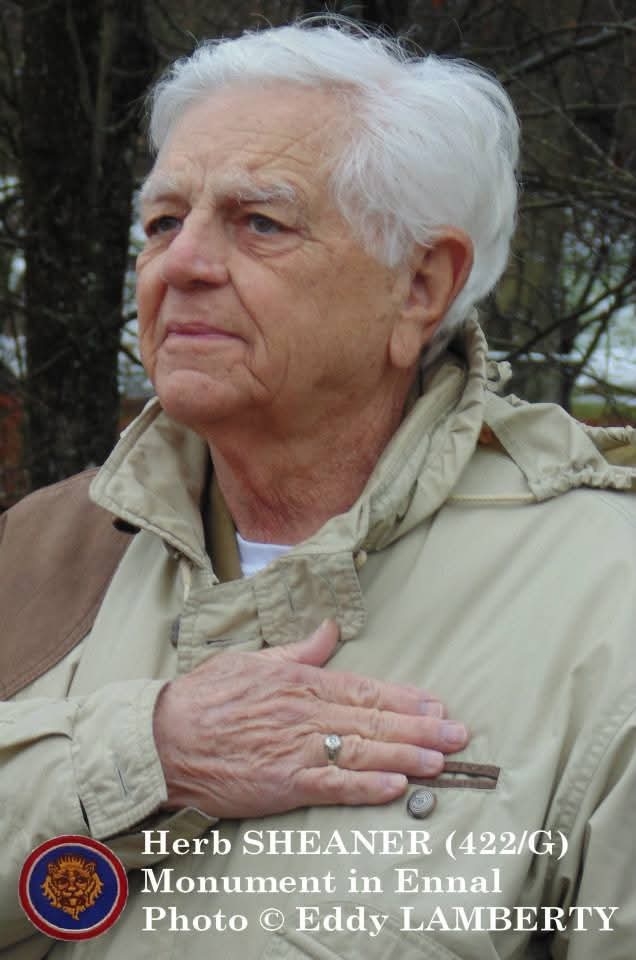
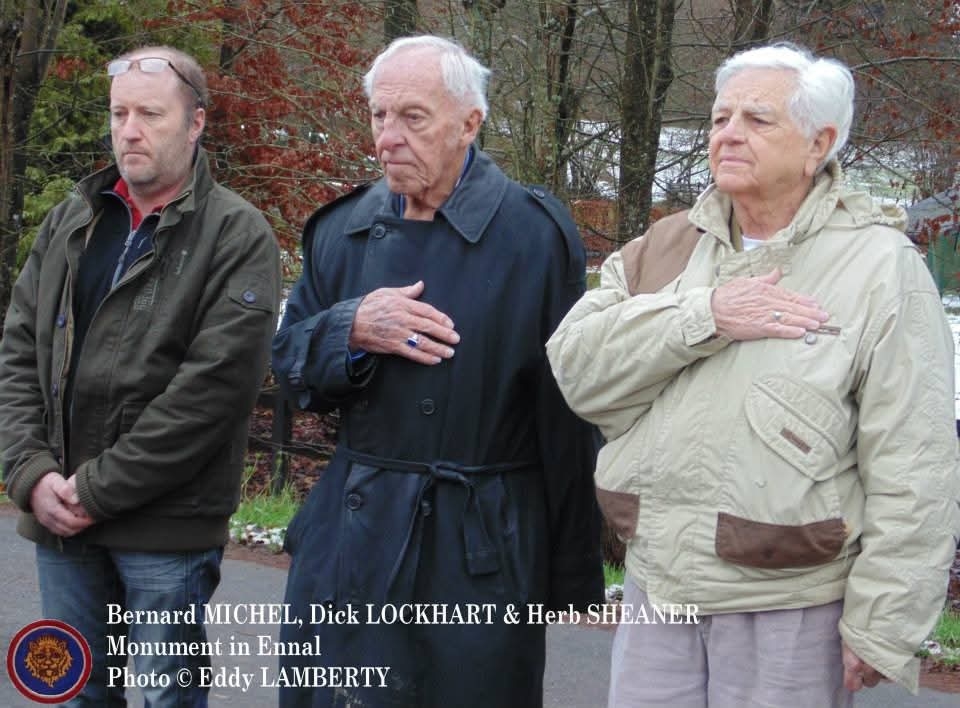
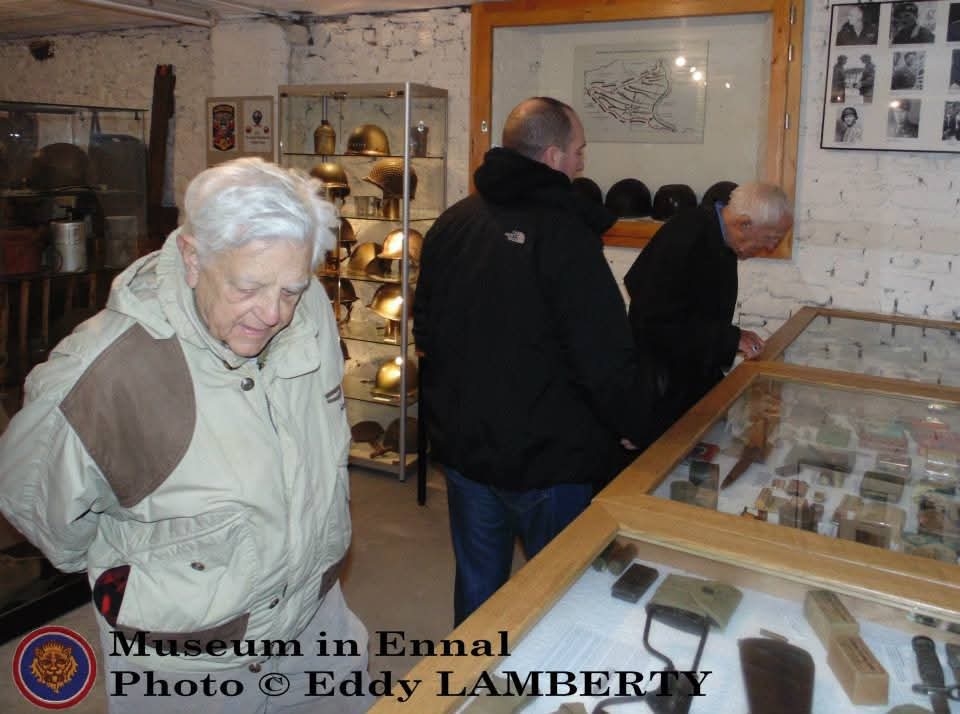
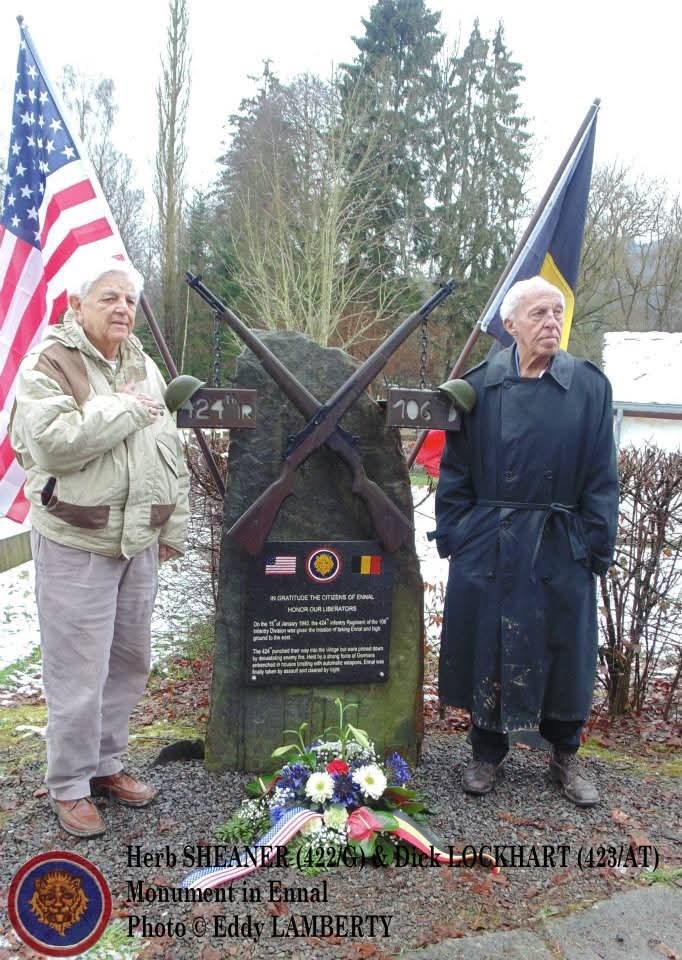
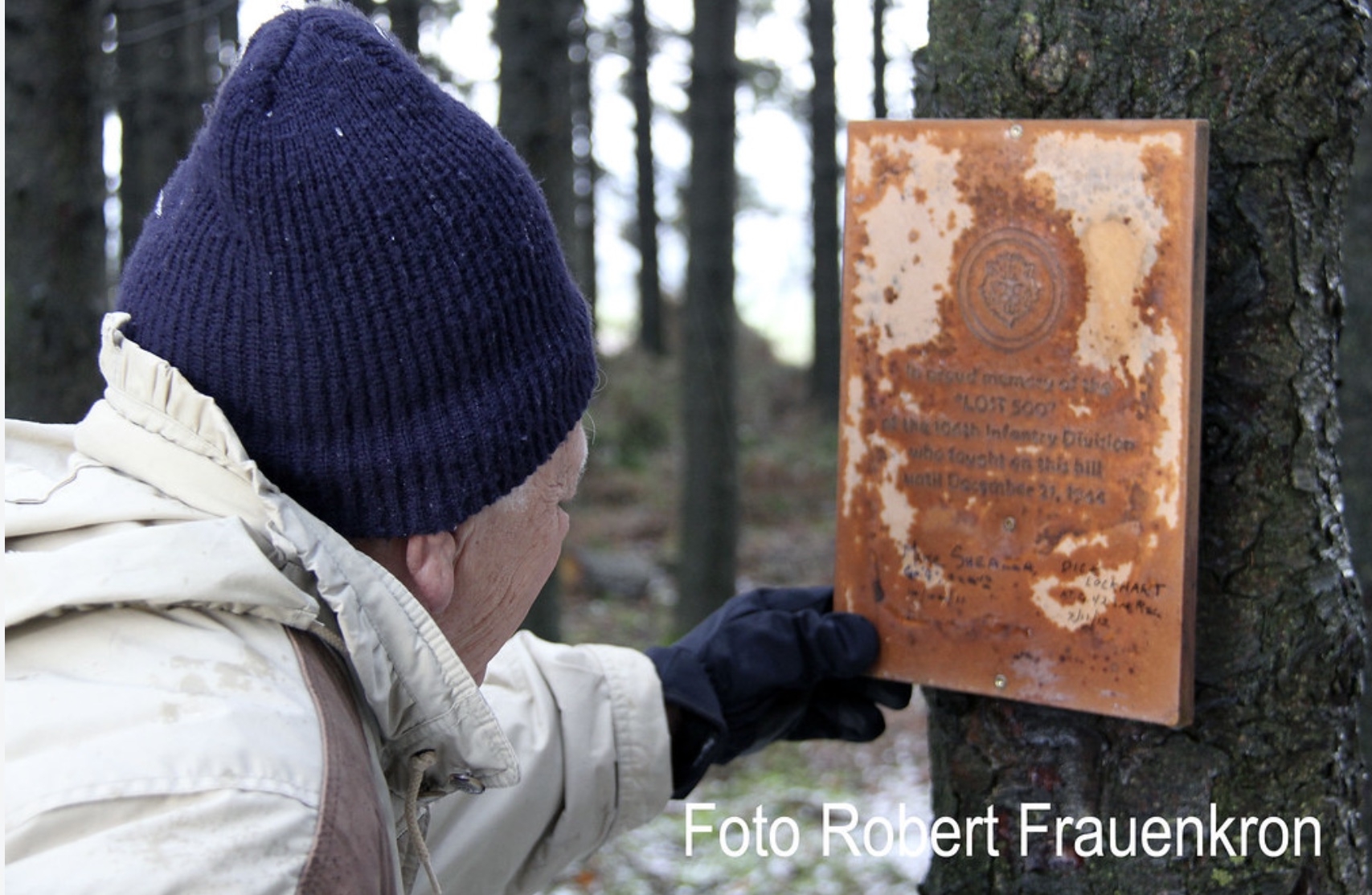
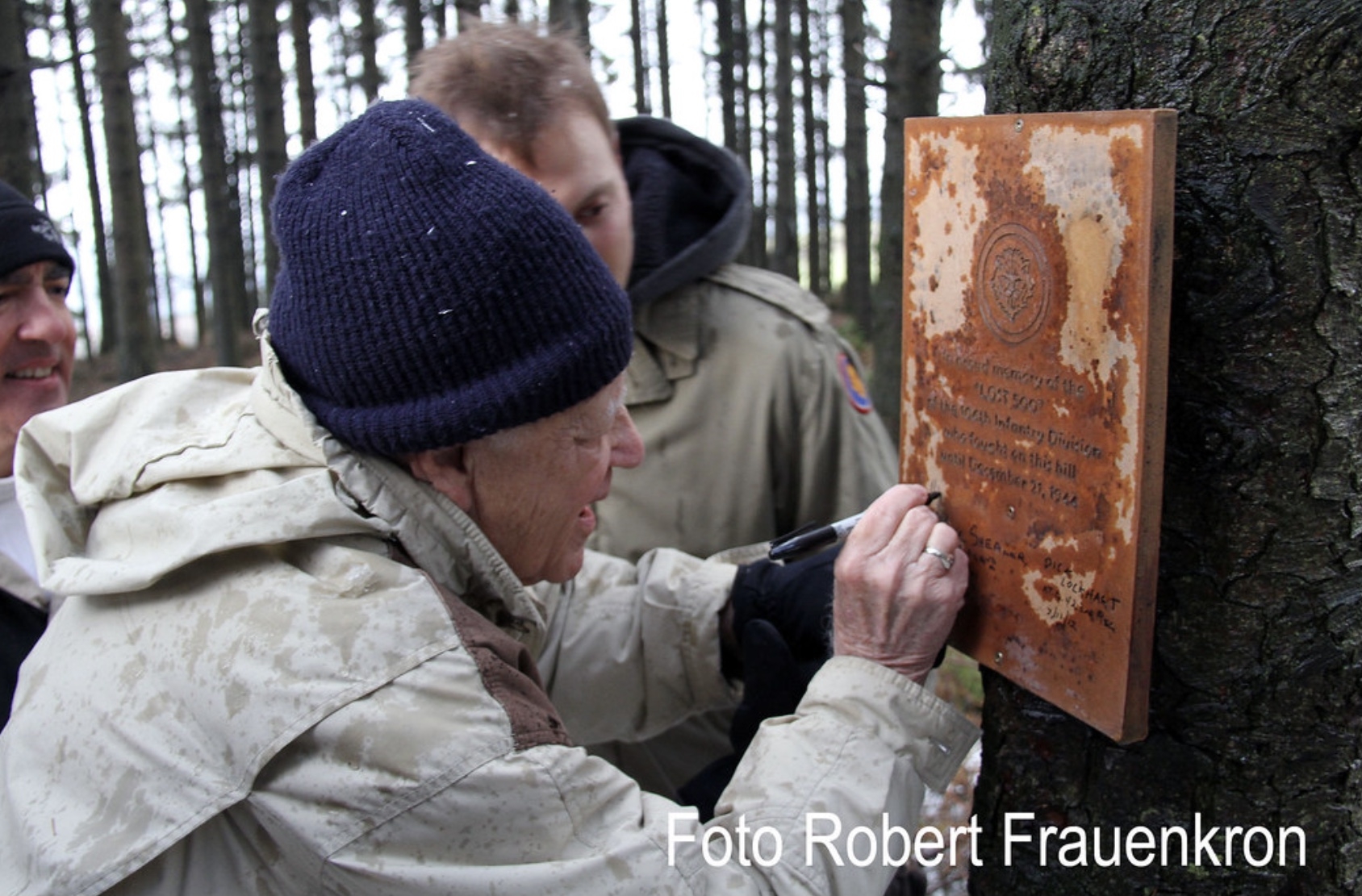
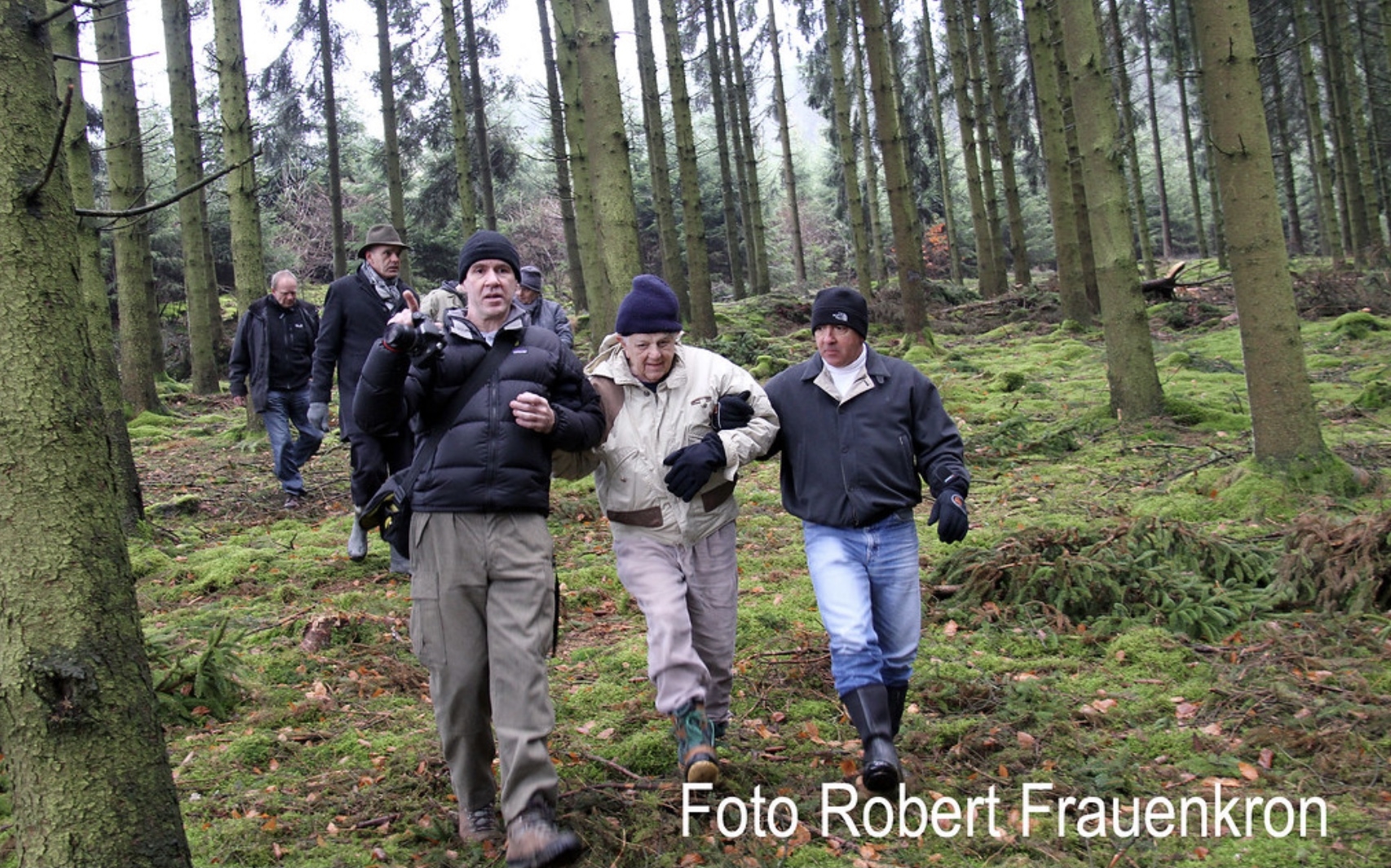
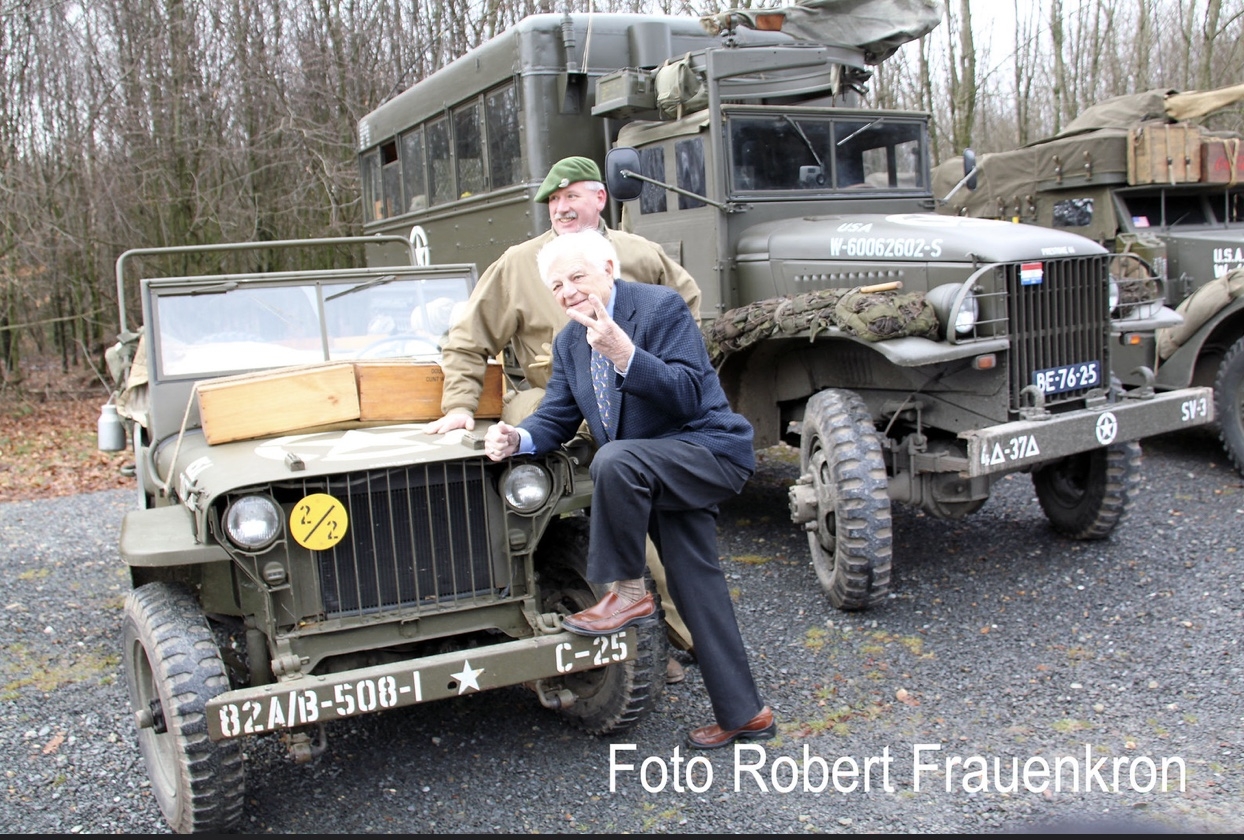
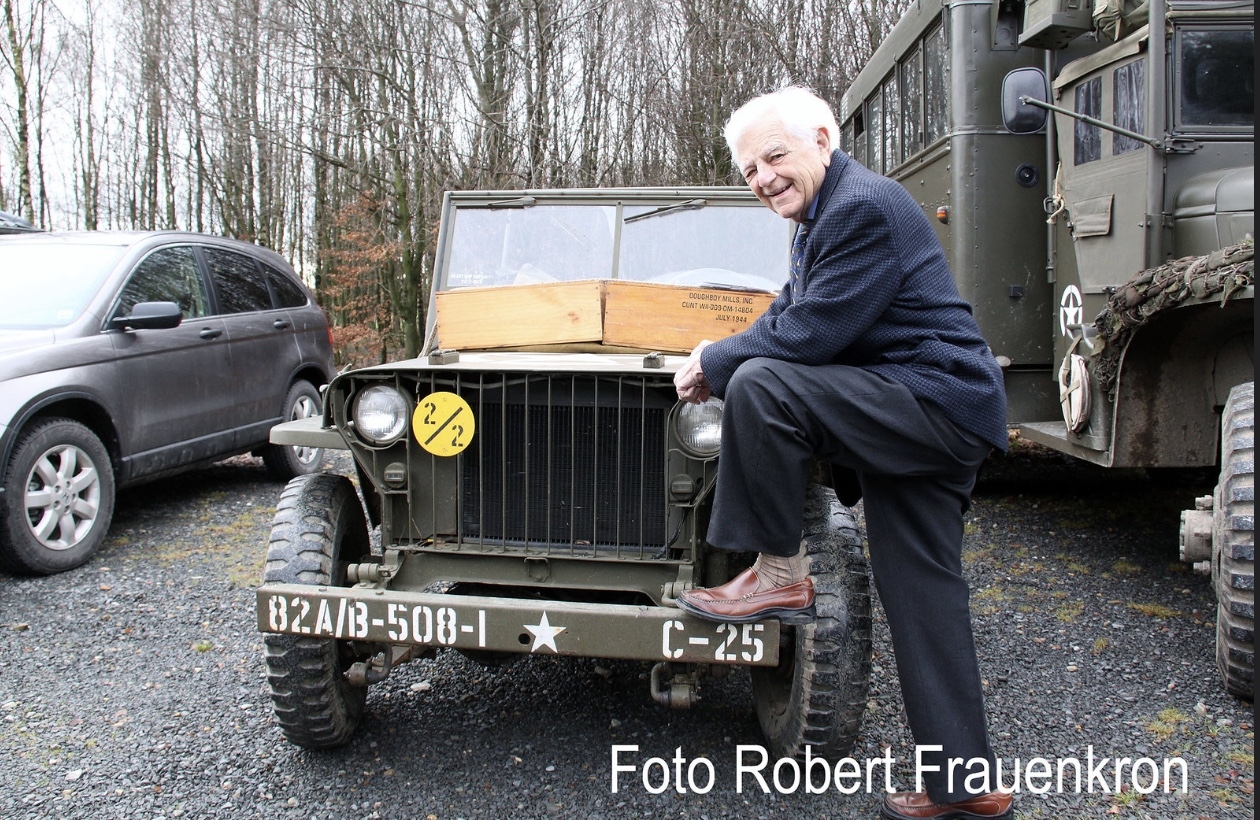
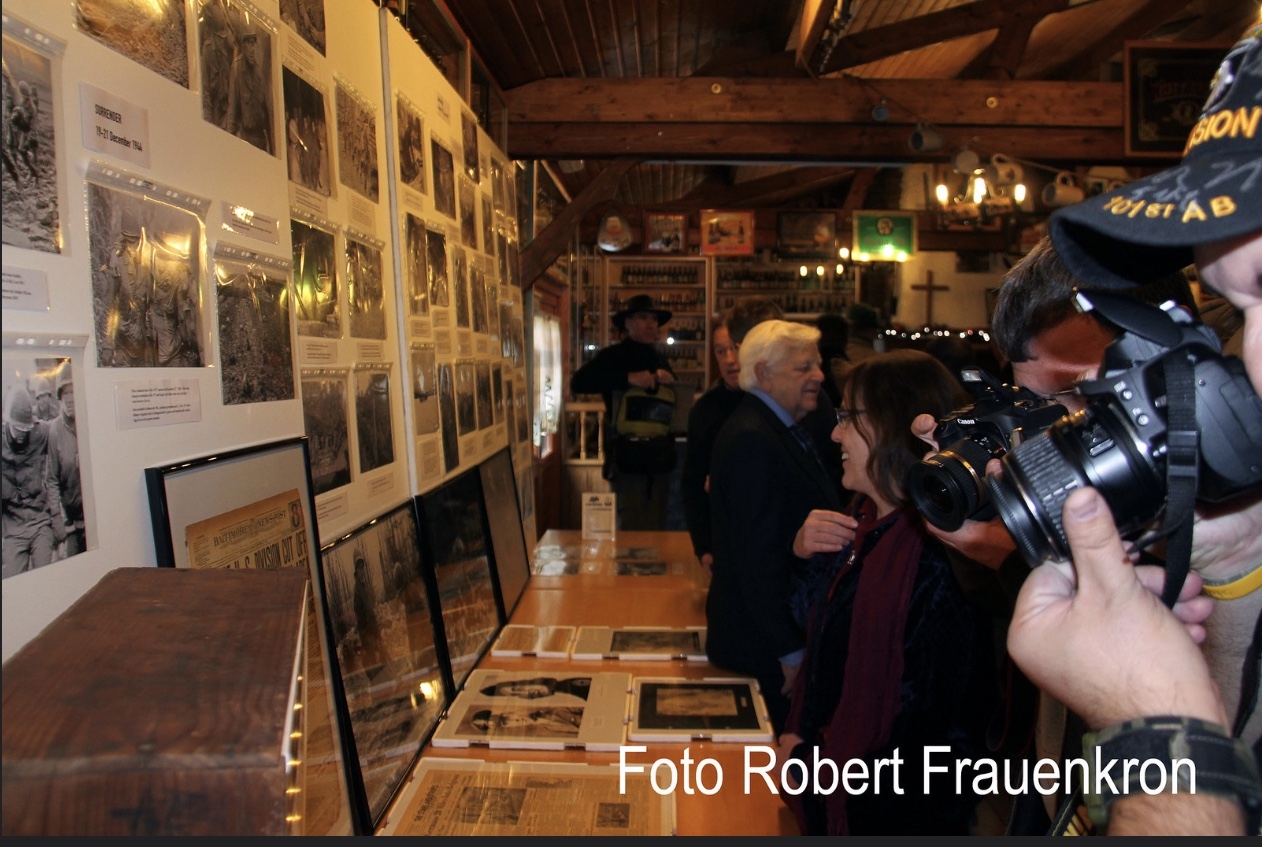
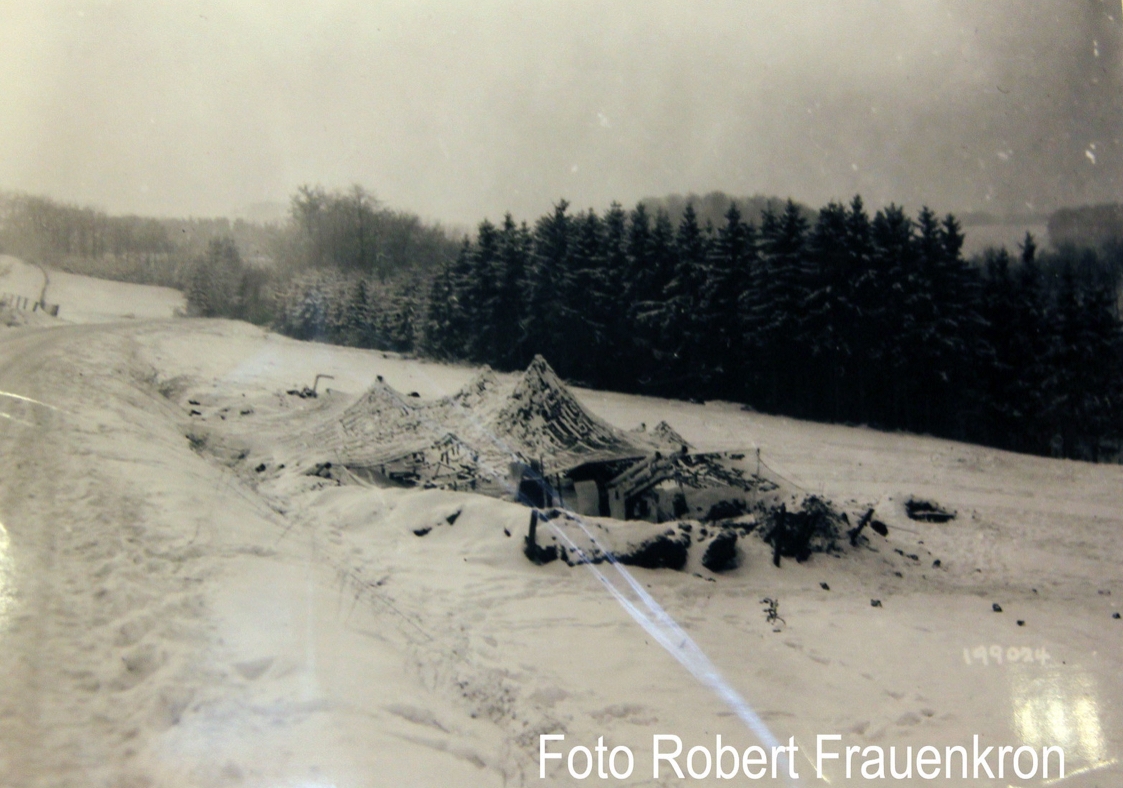
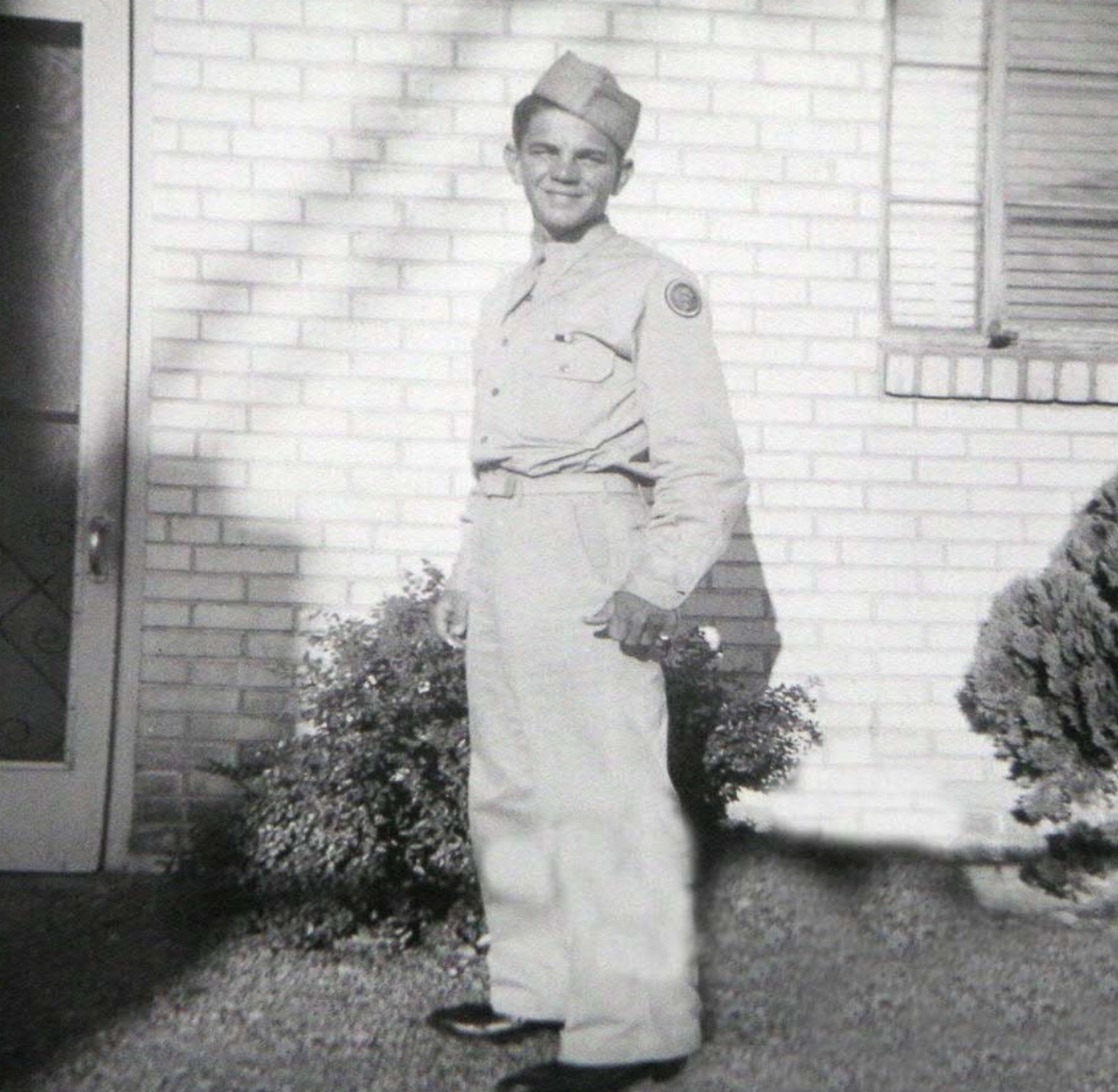
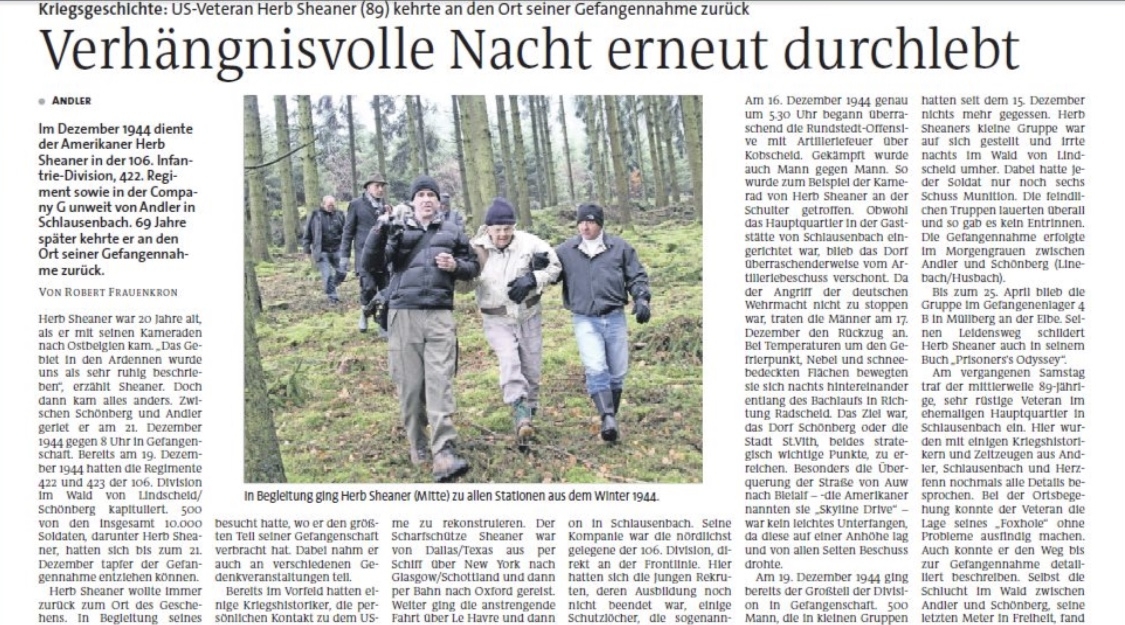
Sheaner, Jr. Herbert (Mike) Michael
- Texas, Dallas County, United States
Military Information:
- US Army
- BSM: Bronze Star Medal
- PH: Purple Heart
- WWII Veteran
- POW: Prisoner of War
- QR Code
- TVHOF Valor Award
- WWII Victory Medal
- CPL: Corporal
- GCM: Good Conduct Medal
- 1-Alpha List
- TVHOF Class of 2025
- European African Middle Eastern Campaign Ribbon
- Rifle Expert Combat Infantryman Badge
- WW II American Theater Ribbon (Campaign Medal)
Dates of Service 1:
Service Start Date: NA Service End Date: NA
Dates of Service 2:
Service Start Date: NA Service End Date: NA
Bio:
Battle Review~ by Gary Yee
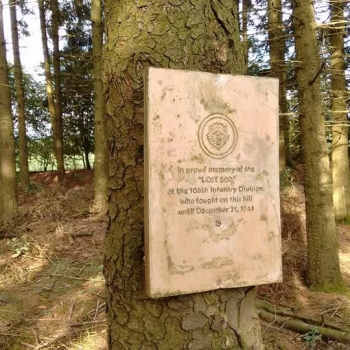
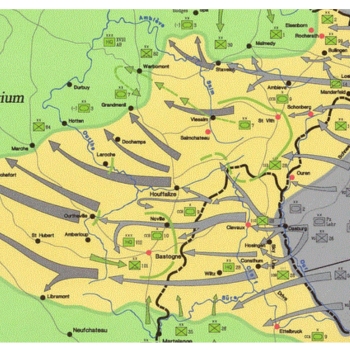
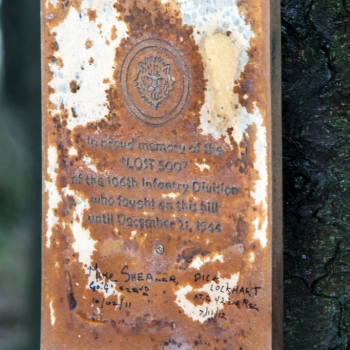
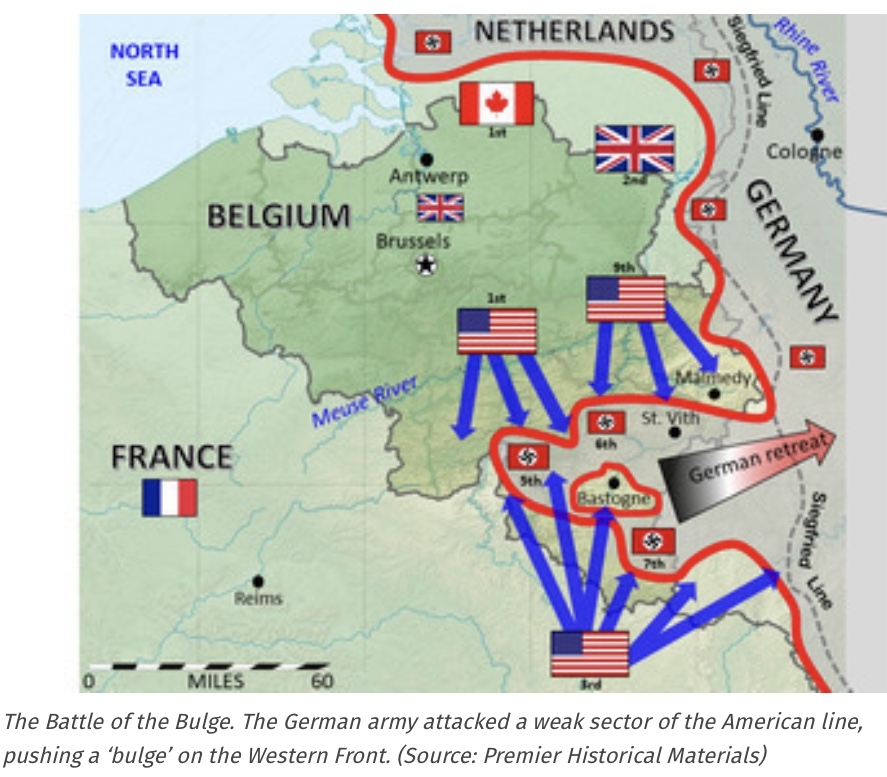
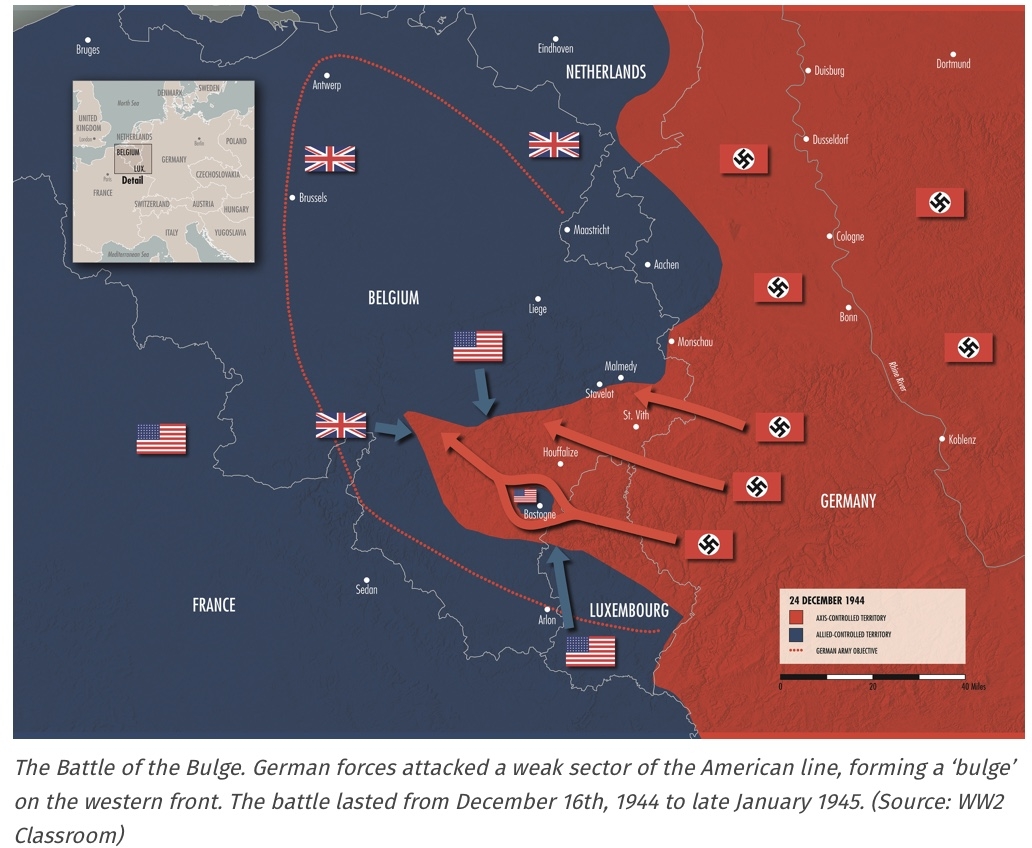
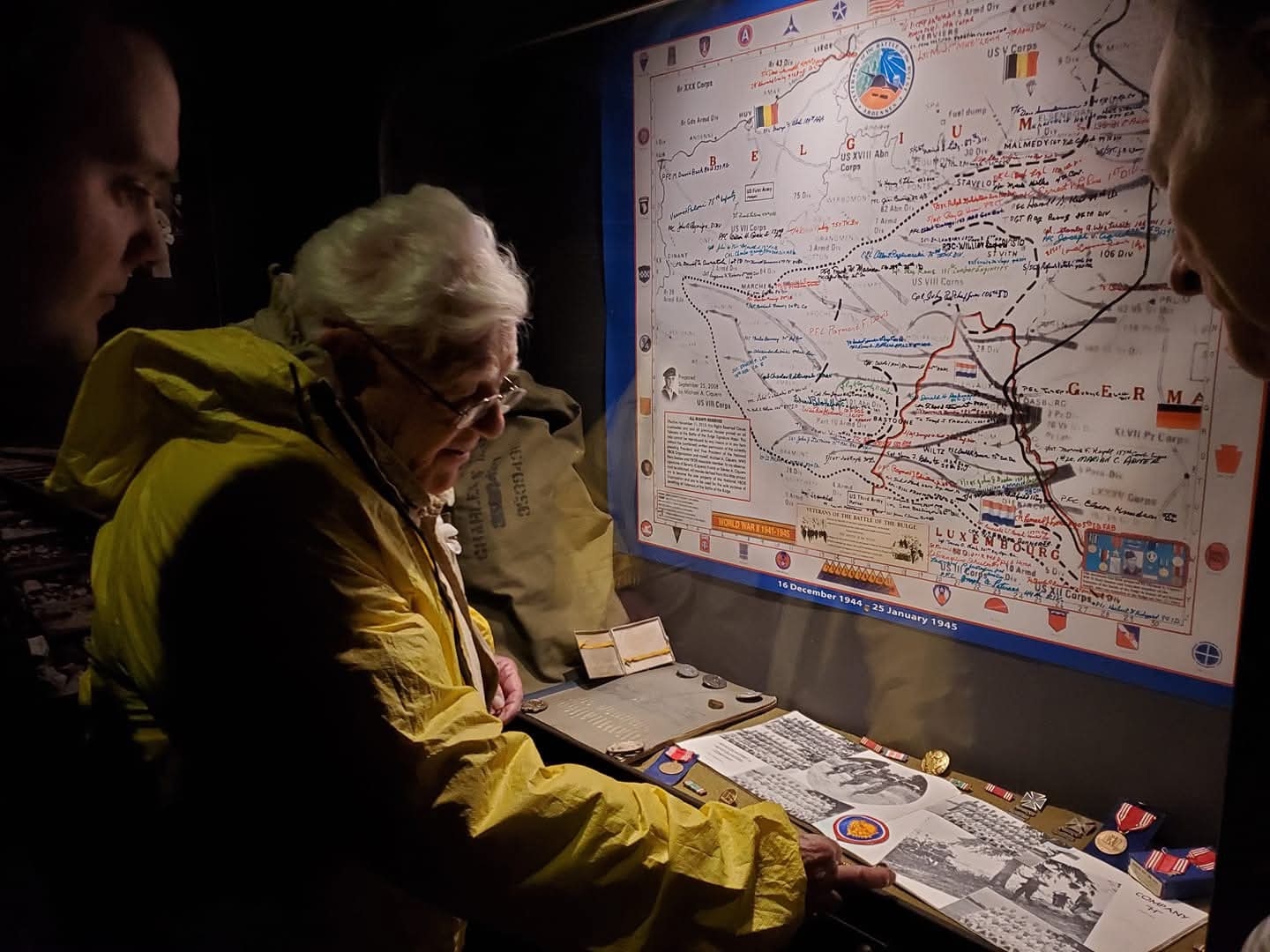
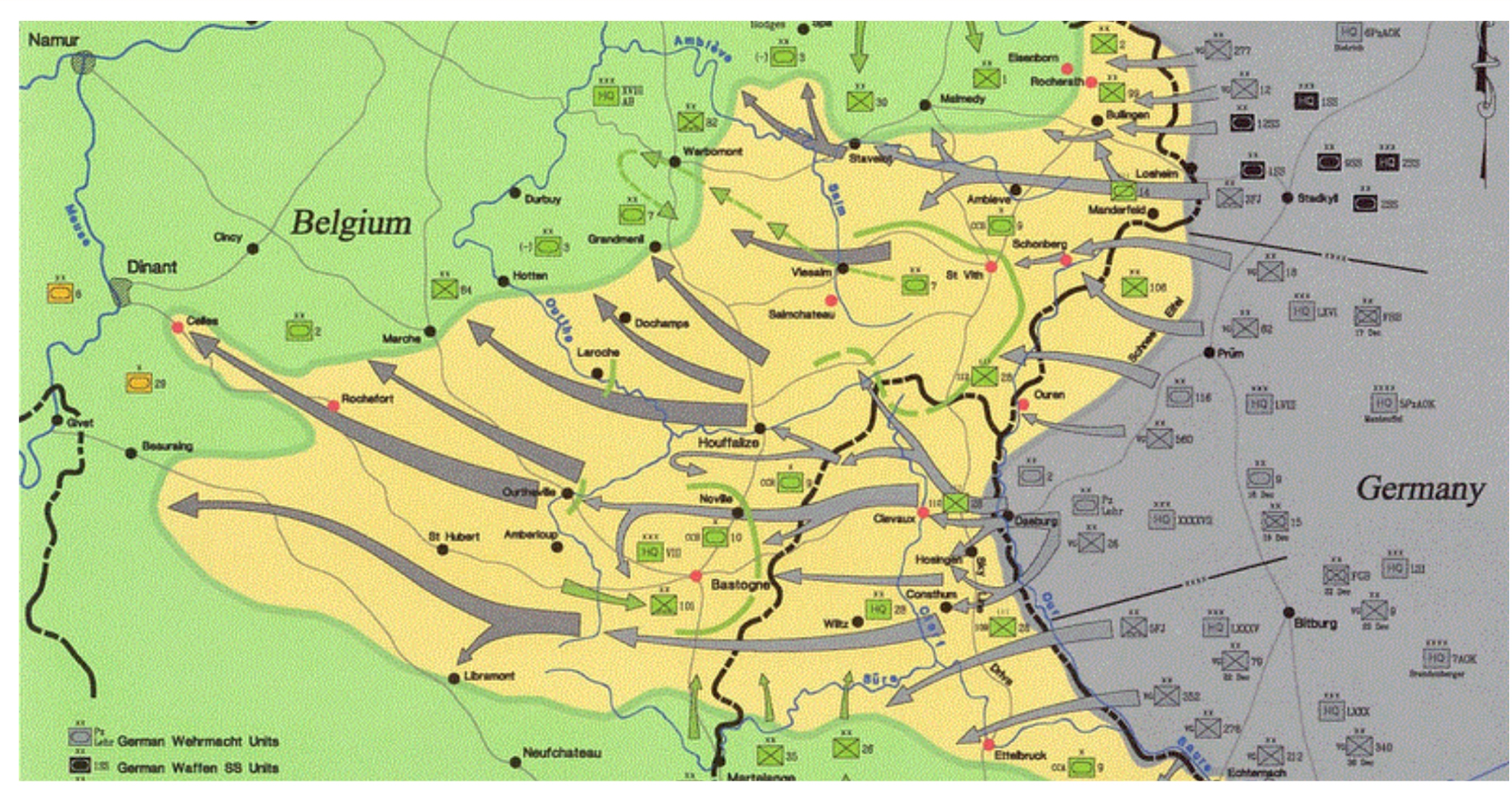
One division that was cut to pieces during the Battle of the Bulge was the green 106th Infantry Division. It had relieved the Second infantry Division and inherited from it a portion of the West Wall that had been captured by them. Earlier the commander of the 2nd Division requested shortening his lines but since it offered a foothold in the West Wall from which Allied HQ anticipating launching a major attack, this was refused. According to American doctrine, an infantry division should only defend a five mile front. Depending on the source, the 106th was now being asked to defend from twenty-two to twenty-seven miles. The 106 inherited this exposed salient which had its back to the Our River. While spanning only fifty feet across, the steep banks on both sides made the Our River unfordable and only two crossing points were available to them: the bridges at Schönberg and Steinebruck. Another disadvantage the 106th had was its lack of communication equipment. The Second Division had accumulated many extra telephones and each platoon had several which they took when they were relieved. The 2nd Division’s infantry radio network was adjusted to work in the area. Because of radio silence that was imposed on the 106 in relieving the Second Division, the signal men of the 106 had not calibrated their equipment. Communication for the 106 was far from optimal.
Earlier the 106 Division Commander¸ Maj. Gen. Alan W. Jones, was given the option by VIII Corps commander Maj. Gen. Troy Middleton to withdraw the 422 RCT (regimental combat team) and 423 RCT. Believing that he would be reinforced by a full combat command of the Seventh Armored Division, Jones elected to remain in place. Worse, additional artillery and small arms ammunition had not arrived and a scheduled re-supply air drop was turned back. It also didn’t help that divisional artillery did not have the opportunity to plot out preregistered artillery concentrations for defense and had only enough ammunition for one day of fighting when the Germans attacked on Dec. 16. The sudden attack also caused the Seventh Tank Division’s Combat Command that was to reinforce them to be halted, leaving the 422 RCT and 423 RCT on their own.
When the Germans attacked on Dec. 16, it poured through the Losheim Gap that that was defended by only one battalion or half of the Fourteenth Cavalry Group which defended a five mile front. They were unfamiliar to Jones.
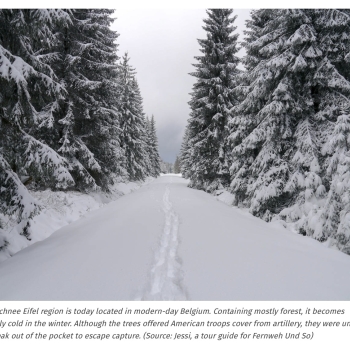
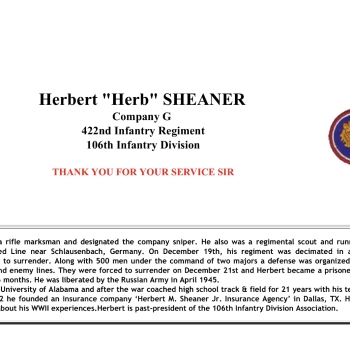
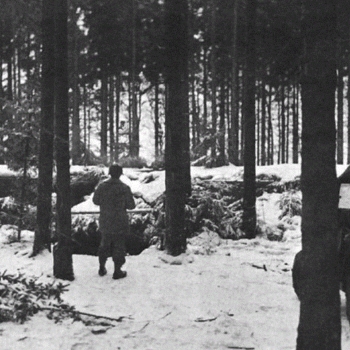
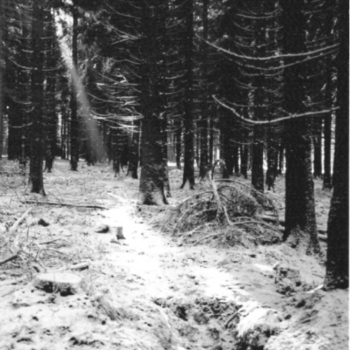
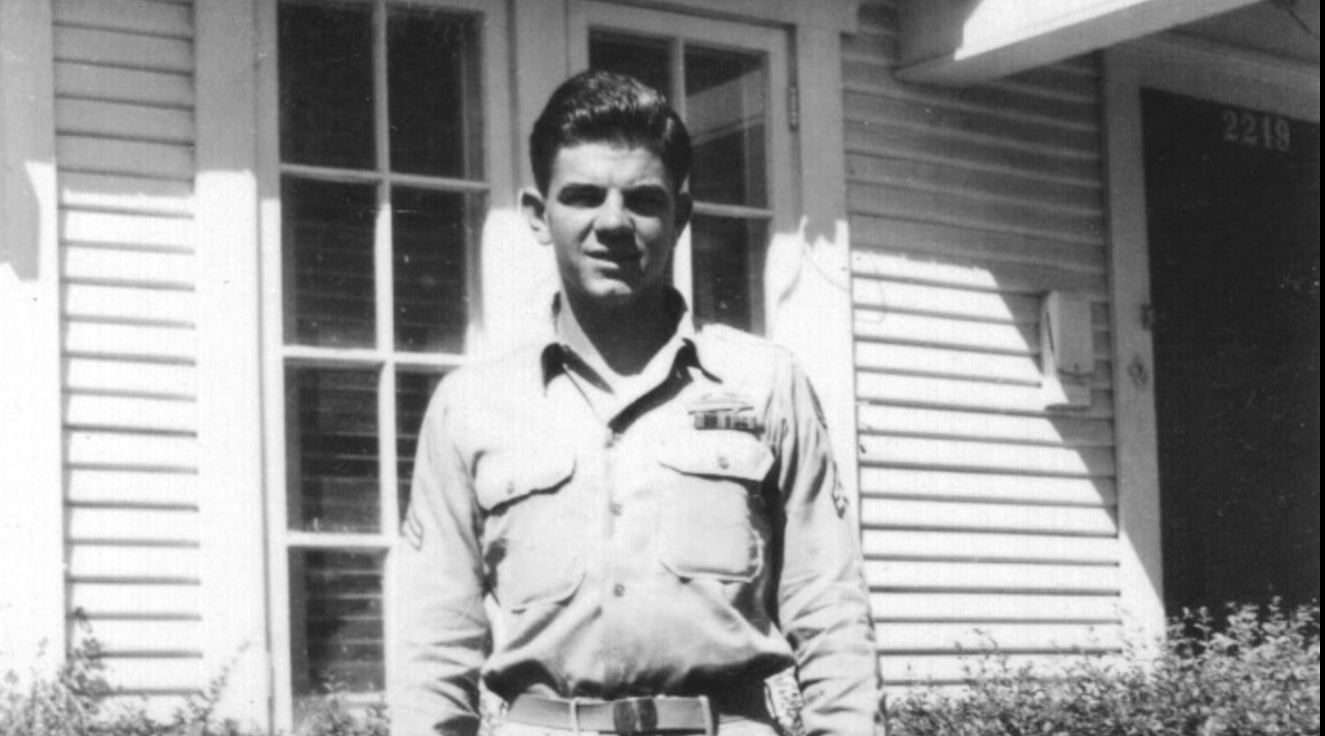
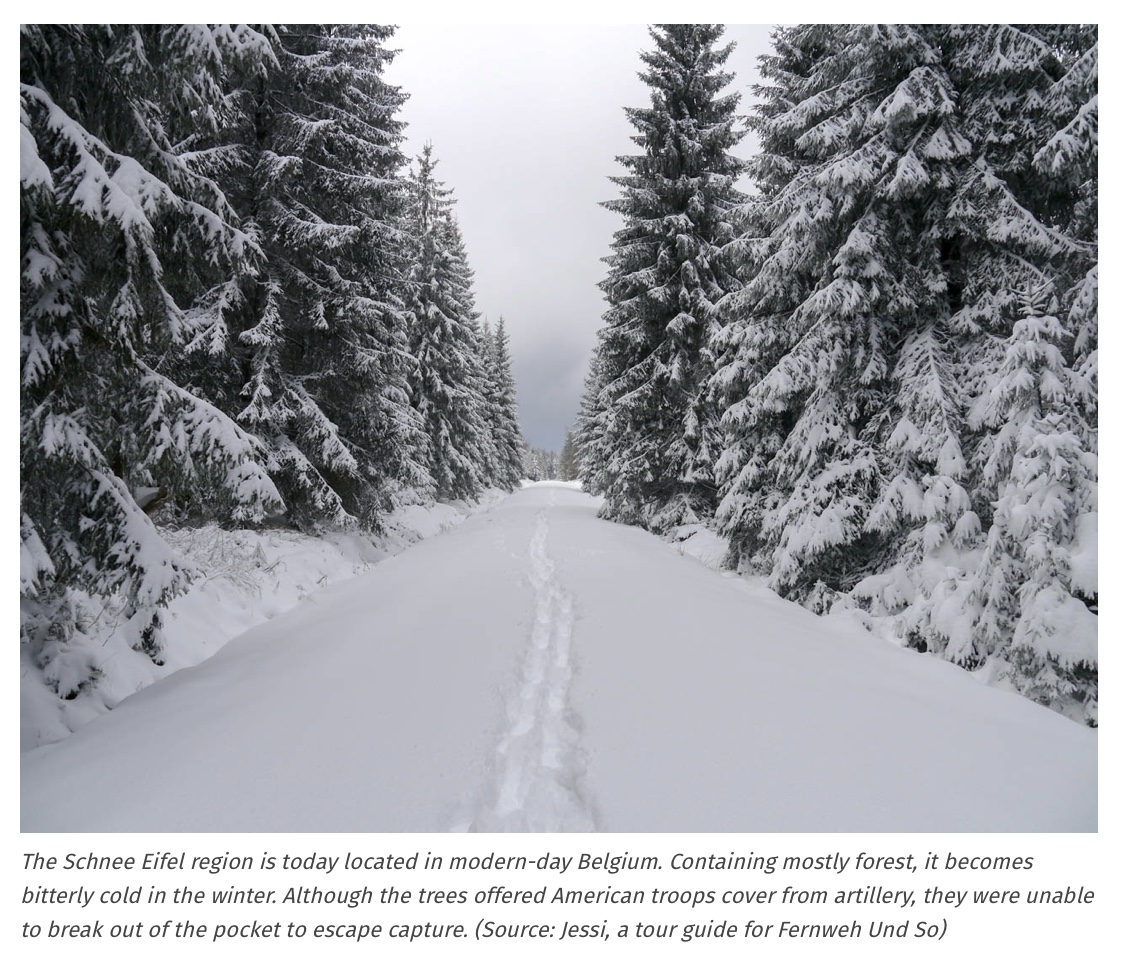
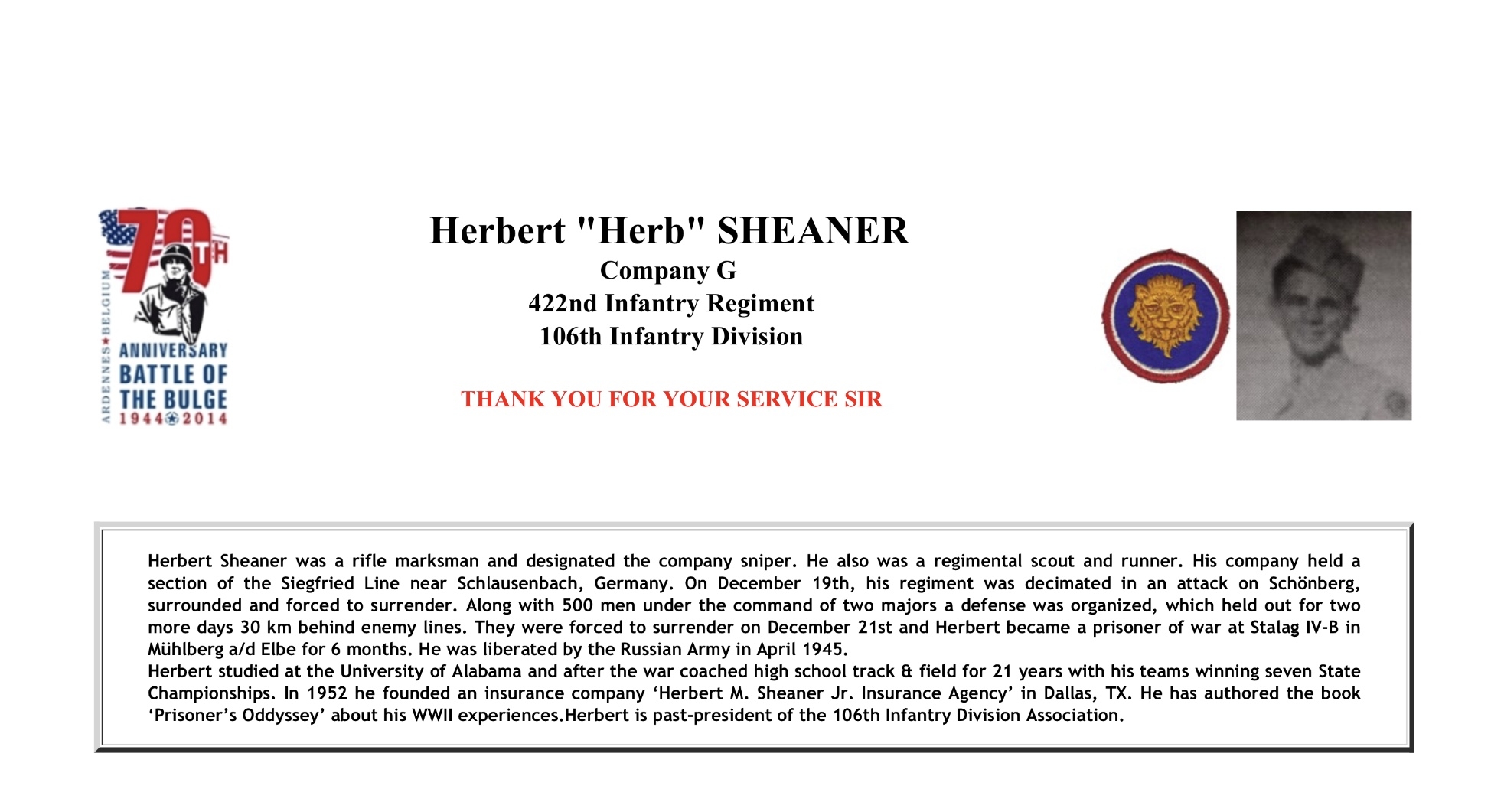
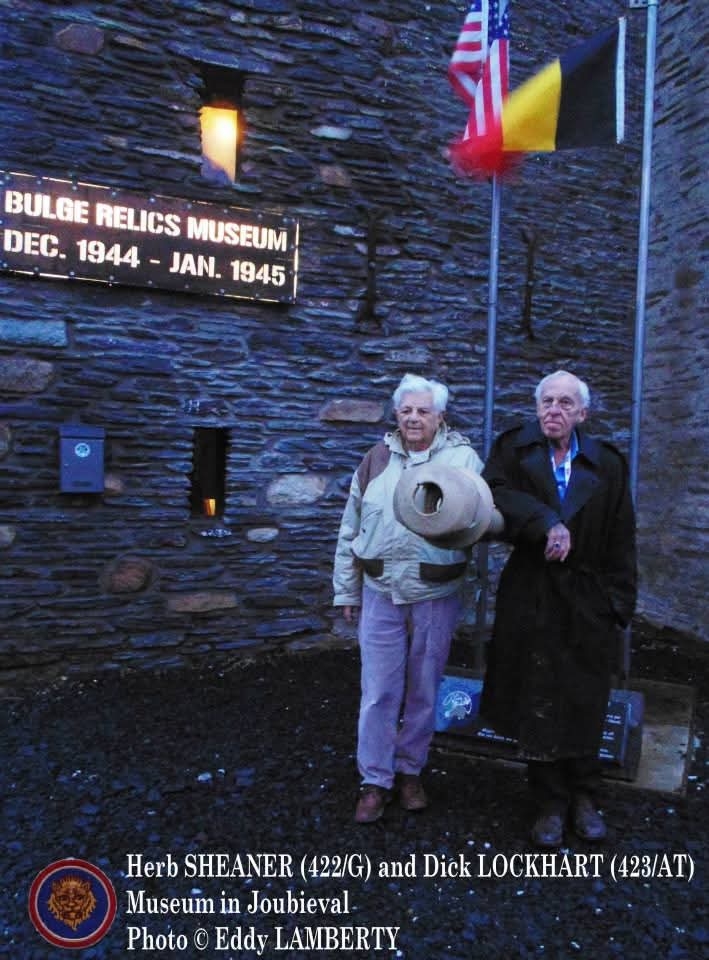
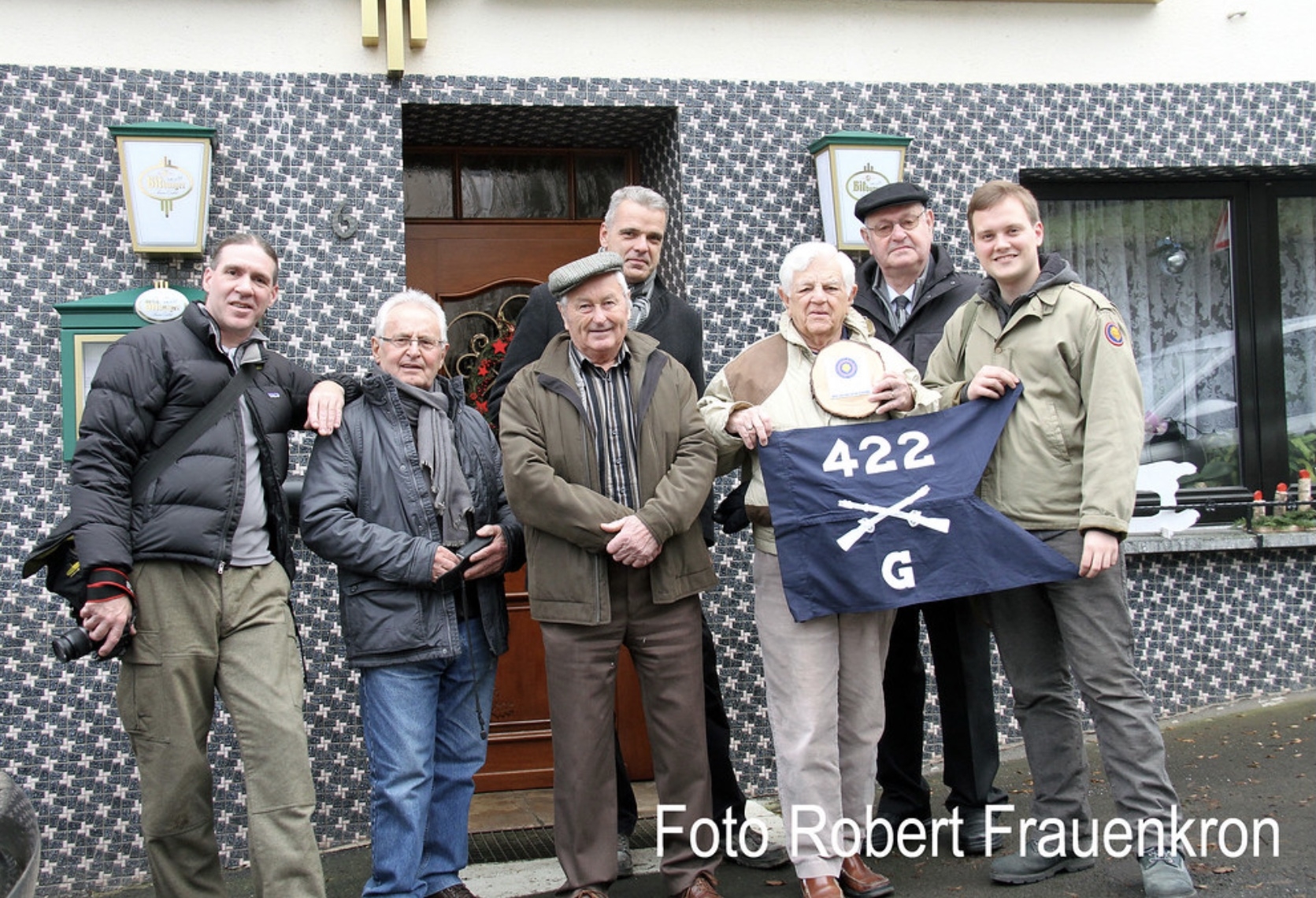
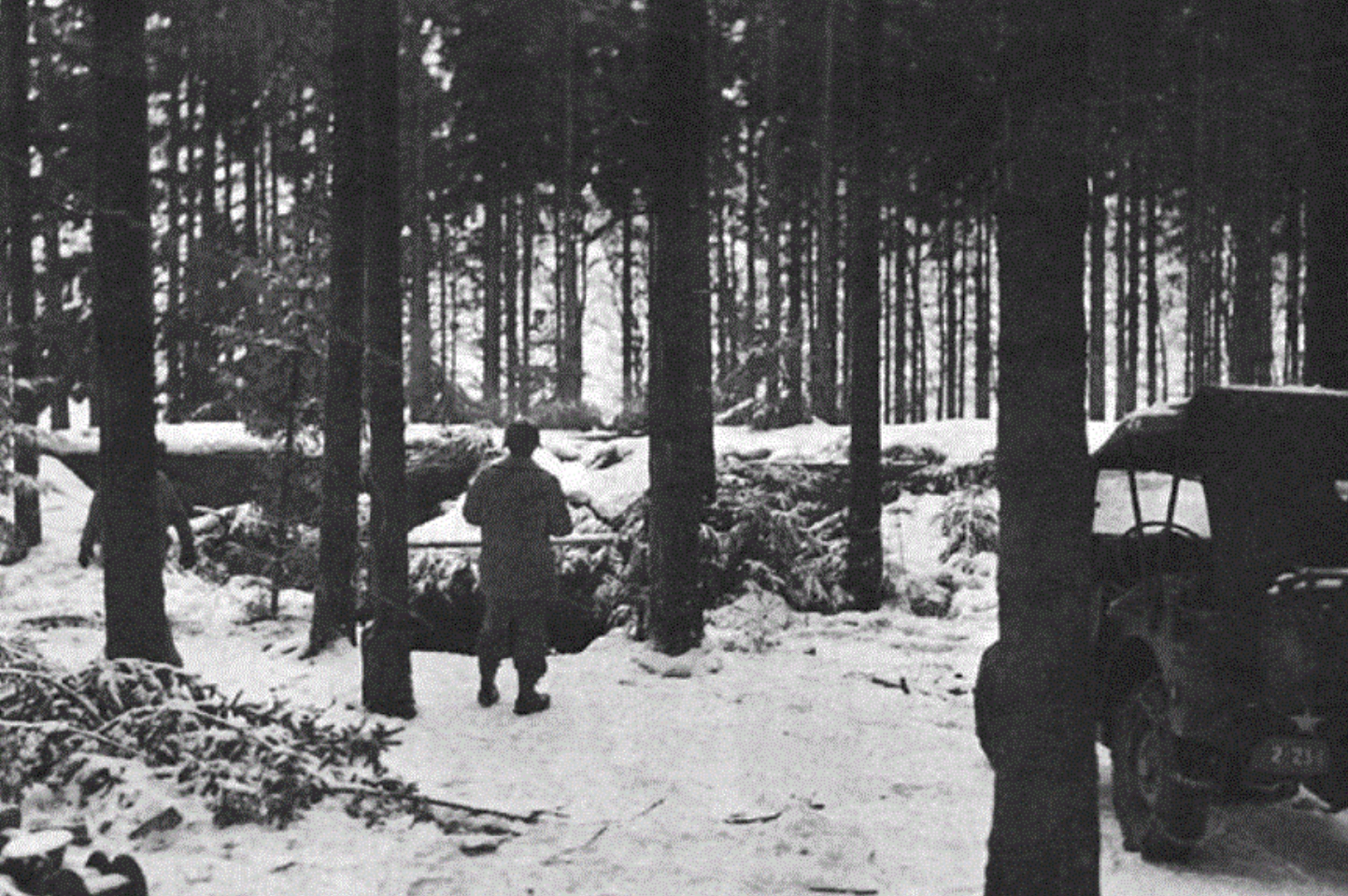
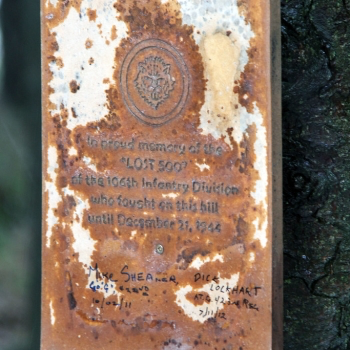
South of the Losheim Gap in the Schnee Eiffel was the 422nd Infantry Regiment. Being a sniper, 422nd Infantry Regiment’s Second Battalion, Herb Sheaner belonged to Company G Headquarters and was excused from camp duties (he stood guard only once). once a day for 5 nights from 12:00 am – 4:00 am. While Sheaner had both the scoped M1903A4 Springfield rifle and a M-1 Garand at his disposal, he received neither manual on the Springfield nor its scope. Worst of all, he wasn’t ever given access to the range so he could sight it in. The range was ten miles away, no transportation was offered and Sheaner wasn’t voluntarily hiking twenty miles. Anyway, since Sheaner could hit a man’s head at 500 yards with a M-1 Garand and was very confident with it, he grabbed his M-1 and as much ammunition as he could snatch and ran out of his log cabin hut (it had been inherited from the Second Infantry Division). His decision not to have a scoped Springfield probably helped spare his life when he was captured on December 17. December 21st
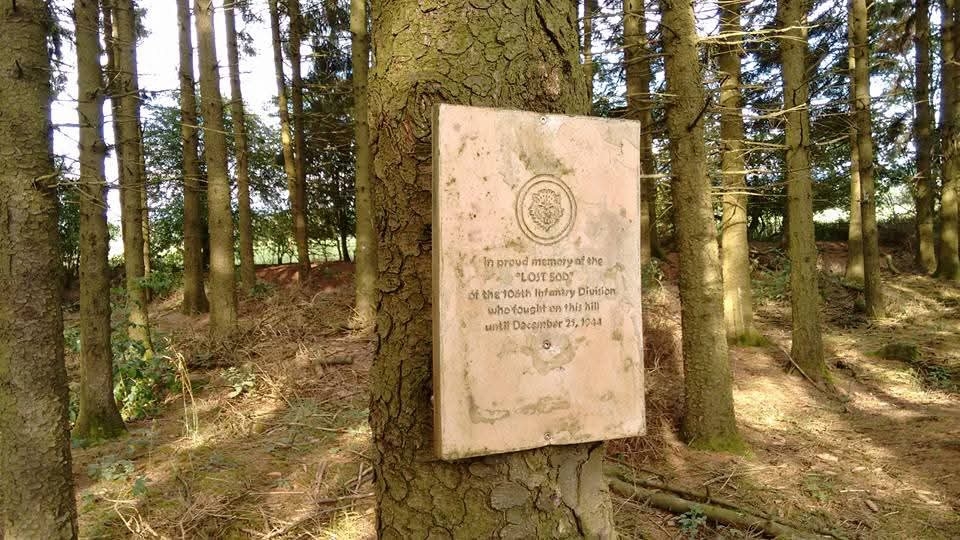
Also encircled was the 422’s sister regiment, the 423. The next day after the offensive was launched, both regiments attempted to break out toward St. Vith and were just past Radscheid and headed for Schönberg. By Dec. 19, the 423 Regiment had reached Hill 504 south of Schӧnberg. Sgt. Russell Lang of Item Company, 423 Infantry went ahead of his mortar squad to find a position to set up their mortar to support their infantry attack. He was followed by his friend, Sgt. Marvin (Sammy) Pate of Houston, Texas who had similar orders. Sgt. Lang and his buddy encountered a sniper.
“There was a small clearing in the woods that would allow us to set up the mortars. I ran out into the field and I dropped the gunsight box at the location where I wanted my crew to set up the gun. Then I continued to run ahead to take up a position to observe and direct the mortar fire. While running to about the middle of the clearing, with my binoculars now pulled out from my jacket and hanging from my neck, I came under sniper fire from the left side of the field.
“I dove for the ground. Each time I raised my head attempting to see where the fire was coming from, the sniper would fire at me, the bullets whistling by my helmet. When the sniper was firing at me he was firing to my rear, at Sammy I thought. I had assumed that Sammy was behind me and I thought that he was doing the same thing I was doing. I don’t know how long I was out there, but it seemed like a very long time. Someone from the rear yelled at me to keep my head down. Finally I heard a small explosion that came from the direction of where the sniper was and then a call came from the rear to crawl back. The sniper had been killed. I began to crawl back through the snow to the cover of the woods when I noticed that Sammy was not moving, he was lying perfectly still. As I drew next to him my worst fears were confirmed, he had been shot right between the eyes, the sniper’s aim was flawless. Sammy was white and there was nothing that could be done.”
Years later Lang learned from a buddy, Howard “Sparkie” Songer, details about Sammy’s death and how the sniper was killed. Sparkie told Lang:
“When the sniper started shooting, Colonel Cavender our Regiment commander was in our area and he spotted the sniper location. None of the crews had left the woods yet and Sammy was close by. He told Sammy and our crew to ‘Get that God damn Sniper that is in those bushes over there.’ Sammy and his crew moved out into the clearing to set up the mortar. The range was too short to use the standard elevating mechanism. Sammy, my squad leader was trying to aim the mortar tube by elevating the tube by holding it vertically with the bottom resting on the ground. It was while he was doing this that he was killed by a bullet to the temple. At the same time, I was hit but the bullet lodged in my mess kit spoon that was in my shirt pocket. Then another mortar man ([author’s note: Murray] Stein) and I grabbed the mortar and dropped three shells in the area of the sniper, killing him.”
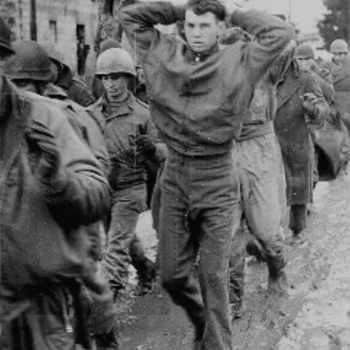
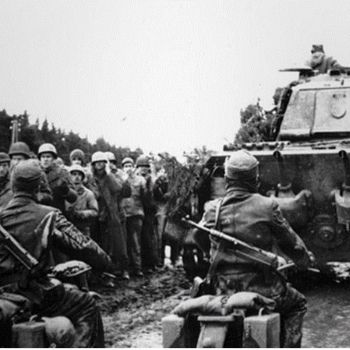
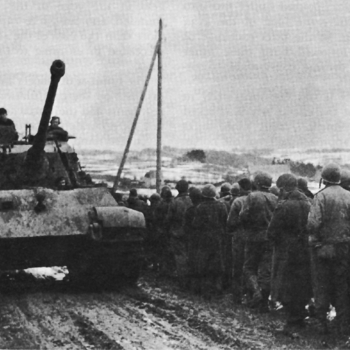
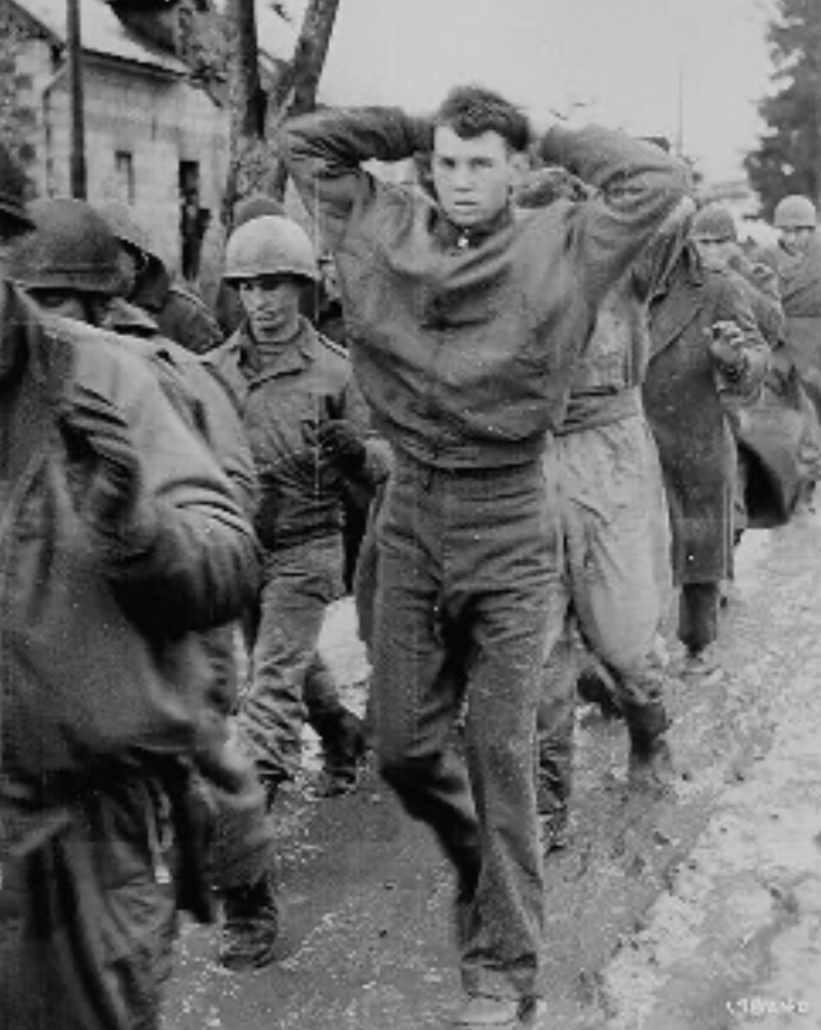
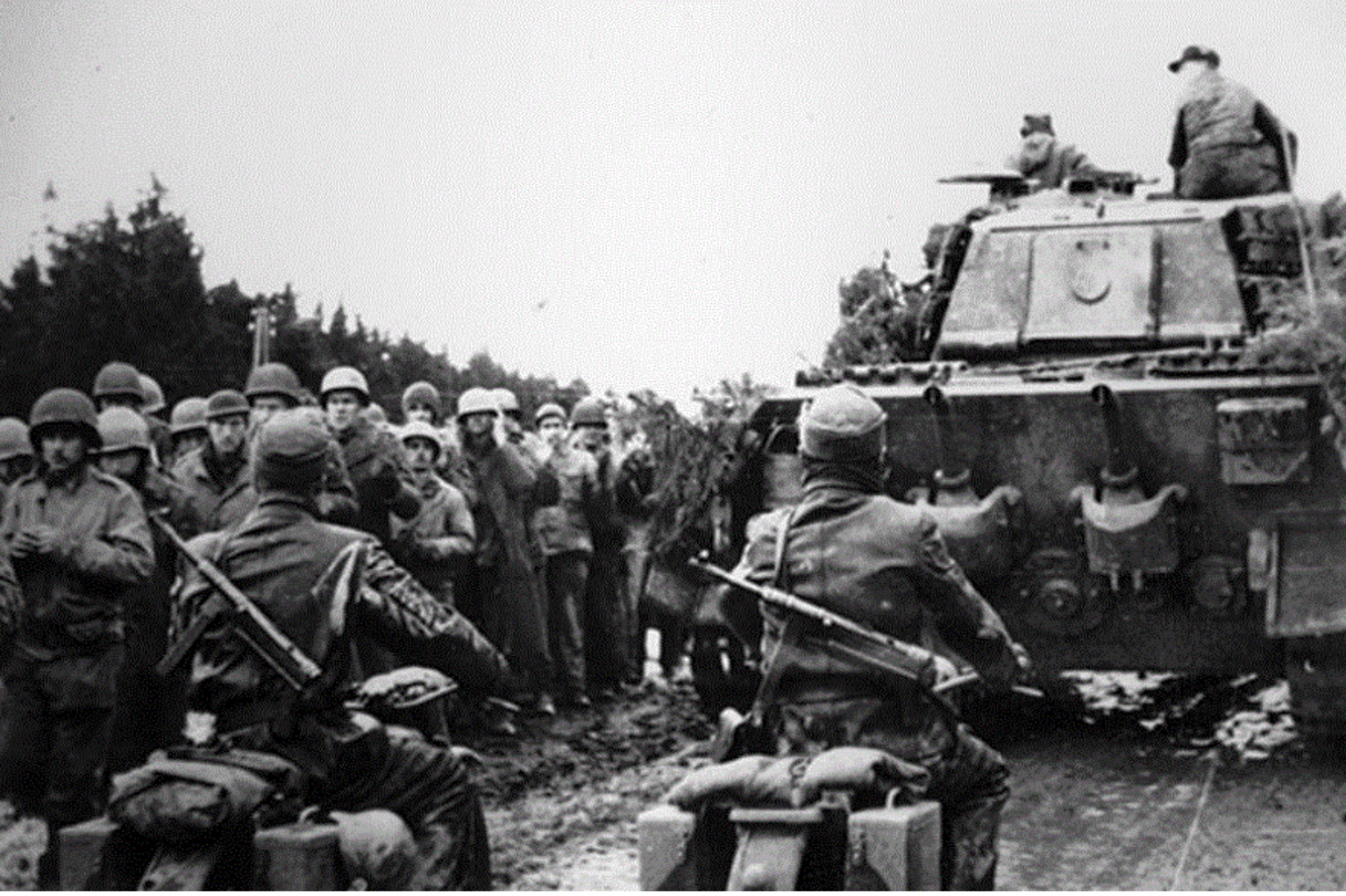
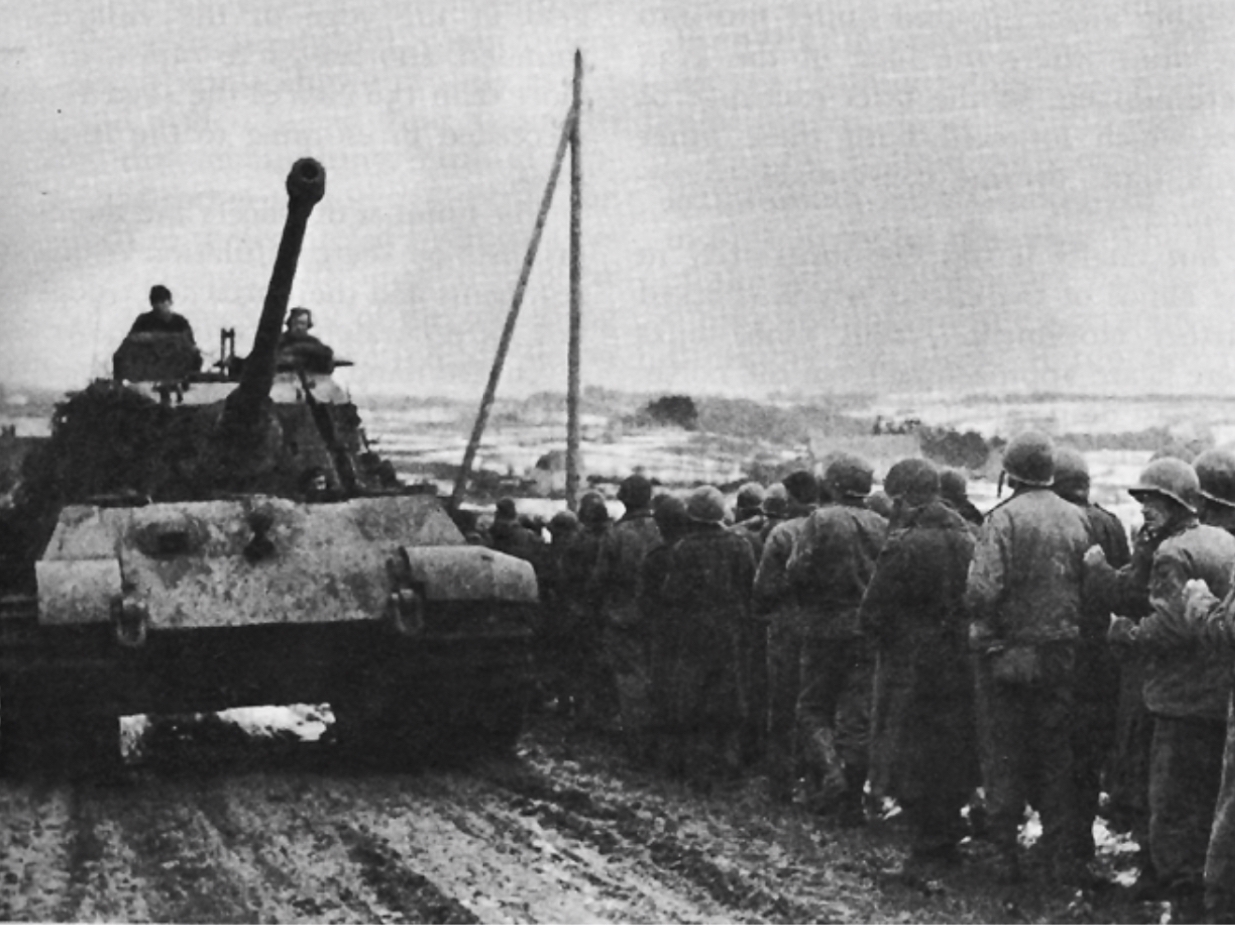
The three battalions of the 423 were near Schönberg when they were attacked on their left. A mortar barrage drove the Germans back. At 1630 hours, the non-coms were summoned and told to have their men destroy their weapons. Since the Germans won the race to Schörnburg, both the 422 and 423 were trapped by the Our River. The regiments had exhausted most their ammunition, no means of escape, dwindling rations, no relief forthcoming and dimming hope for resupply. An air drop had been arranged but was turned back as an air traffic controller had no idea where to direct them. They were never resupplied. Without supplies, the two unlucky regiments had no choice but to surrender. Lang returned to his mortar squad and had his men disassemble their carbines and scattered the parts in the snow. He smashed his mortar tube and binocular with a pick axe. Ominously, the gray forms of German infantry approached with lowered rifles from the woods and encircled them. They were now prisoners of war. Altogether the Germans captured 6,000 prisoners from the 422 and 423 Infantry Regiments.
The 106th’s survivors, mostly from the 424th Infantry Regiment, withdrew over the Our River and joined in the defense of St. Vith where the division’s Eighty-first Engineering Battalion earned a Distinguished Unit Citation for gallantry. One of the 424th Infantry’s sniper was Company I’s PFC Paul J. Chodera of Hinckley, Ohio who recalled his experience:
“We were in a defensive position somewhere in Germany along the Siegfried line until just before the break through. It was not so bad as we were pretty well dug in no great danger. We used to go on patrols in enemy territory to gain information and pull guard duty so no Germans would infiltrate through our lines. Then all at once one morning about 3 a. m. they shelled us with everything they had and just about daylight they hit our lines. We stood them off pretty well, but some broke through the line on our right and found shelter in some buildings. All the time our artillery and mortar were dropping close fire on our wire to keep them back. Their heavy stuff was also dropping on our lines. You can’t imagine how much noise there was−it was awful. Talk about hot rifles−we all had them.
“My sniper’s rifle had stood by me OK until now. I needed something that could be reloaded faster and fire faster, so I got rid of the 03’ and got an M1 from one of the boys who would never use it again.
“Things sure were hot. I was acting assistant squad leader then and believe me you not only have to look out for yourself, but half the squad also. Some men just have to have someone to prod them along and keep them going. I remember one fellow who was in a trench close to me. When things got about the worst he dropped his rifle and started to pray. It was OK to pray, but you can’t lay down your weapon to do so. You learn to pray, shoot, swear, and load your rifle all in one breath. By noon or a little later we had everything under control except the Germans that got in our building.
“Our platoon was going to clear those buildings, but after we got reorganized it was just our squad that cleaned those buildings. We didn’t have too much trouble. We had a couple of guys hit, but we took about 150 prisoners and sent them back. That took about the rest of the afternoon. We spent the night in one of those buildings with our platoon lieutenant and another staff sergeant. We took turns pulling guard, including the lieutenant. They shelled us some but not much.
“After a long night, daylight finally came. We were afraid of another attack but none came. After a ‘K’ ration breakfast, I was told to get all the Germans automatic weapons I could find and get them in working order so we could use them in case of emergency. With the help of another man we soon had enough automatics and ammunition in every foxhole. For myself I saved a machine gun which is capable of firing 1,000 to 1,200 rounds of ammunition a minute. That heavy shelling the day before put out some of our communications so I had another job to do. Sometimes I wish I was twins.
“I laid some new lines and fixed some of the old and we were all set again. By that time it was 2 p. m. and I needed a rest and something to eat, so I went to my foxhole, ate a ‘K’ ration, cleaned my ’03,’ checked my machine gun and got a few more hand grenades. While getting the grenades hell broke loose again and the big push started. There were not like that Germans that hit the line the day before. These panzer troops were really tough. One must not underestimate them as they are deadly killers and don’t give up easily. They just keep coming and coming.
“I held my own with them until they served a mortar in on the foxhole I was in. The machine gun I guess had them worried. All I remember was an explosion and everything went black. When I came to I was ten feet from the hole. Whether I crawled out or got blown out I don’t know. I had an awful headache. My right hand was awful numb and I was pretty well covered with blood.
“I got up and went back to the hole to see how my buddy was−he wasn’t. The shell must have hit him square. That accounted for all the blood all over me.
“I then went back to the command post and a medic patched up my hand. The lieutenant in charge told me as long as I could walk I should go back to the Bat. Aid station and leave. I told him I thought I could still fire left handed and went back to the line. I cleaned the dirt out of the machine gun and got it working, but I couldn’t hold it down with one hand. It jumped all over. I tried loading the M1 one handed and that didn’t work. I was through.
“At this time I reported back at the C. P. You had to sneak along hedge rows and crawl in ditches because there were German patrols all over. I never really got as shaky as I did then; Germans all around, me without a weapon and even if I had one I couldn’t use it. But all went well.
“The Bat. Aid station was four miles away and I made it all right by 9 p. m. They gave me a tetanus shot and just then someone came in and said, ‘Pack up, the Germans are coming.’ We left in jeeps. That sure was a tough wild night also, but we got out OK.”
Pvt. Chodera was wounded on Dec. 19 and evacuated to England for hospitalization. He survived the war and became a grader and excavation contractor, passed away in 1997 and is interred at Hinckley Ridge Cemetery in Medina County, Ohio. As for the 106 Infantry Division, it would be rebuilt by assigning the Third and 159th Infantry Regiment to replace the captured 422 and 423. The division finished the war in Germany.
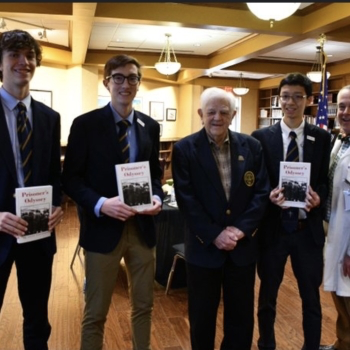
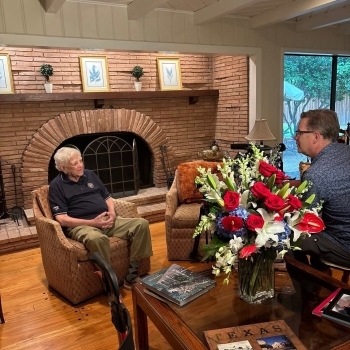
This article is the first of a three-part series on Herb Sheaner, a US combat veteran and Jesuit Dallas track and field head coach. On the 81st anniversary of Pearl Harbor, Viewpoint Editor Peter Loh, Chief Associate Editor Griffin Taber, and I had the honor to interview Mr. Sheaner. During our interview, we discussed Mr. Sheaner’s high school years, WWII service, imprisonment, escape from captivity, and his post-war experiences and Jesuit coaching career. Mr. Sheaner is one of the last Americans who was a veteran of WW2 and his story, like the story of countless others, will continue to remain a significant piece in US history.
“Soon, I knew that I was either going to replace or join the disabled, killed, and wounded.” – Herb Sheaner
Our lunch generously was provided by Thomas Cuisine. With the help of Dr. Degen (moderator of the Jesuit Roundup), Katy Wilson (digital media specialist), and Mike Sheaner (Mr. Herb Sheaner’s son), we spent 2 hours learning how these few months shaped the rest of his life.
This first article will be covering Mr. Sheaner’s high school years, college experience, and induction into the United States Army
What were your aspirations or dreams prior to military life?
Well, I had different aspirations during my lifetime. When I was in high school, I dreamed of attending West Point. In order to be accepted into West Point, I had to take an application test.
In fact, I was one of 17 students that the local Texas Congressman considered. I imagine if you’re gonna get selected, you got to be from a prestigious family that donated frequently to the congressman’s projects. So, I was not admitted into the academy. However, I applied and was accepted into Texas A&M, which included a large military institution at the time.
How was your education and experience as a student-cadet like?
Over my time at Texas A&M, I was a company commander and graduated a major. I thought that this was a tremendous victory for me, especially for someone who was not as tall and powerful as the majority of cadets.
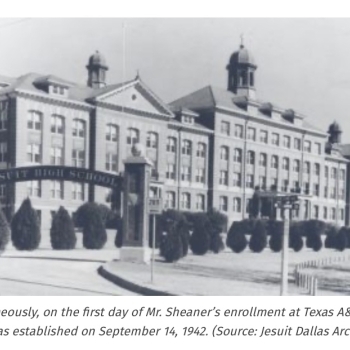
Nearly a hundred percent of the boys were in ROTC. That was in high school, but a lot of the athletes over there where I went to school didn’t get into ROTC. Overall, the boys accepted into ROTC were simply athletic due to their schools’ numerous sports opportunities. For instance, Highland Park offered multiple sports like football and basketball. After high school, I started attending Texas A&M in September 1942.
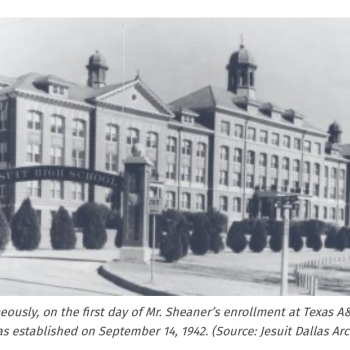
During this time, Jesuit Dallas was just established. For the majority of my youth, I did not imagine Jesuit’s establishment and my future relationship with it. So, I already had good knowledge of the military and how it worked like through these ROTC programs before I got inducted into the service.
Can you share with us your draft into the military?
The government saw I was 17 in high school. Now the high school extends a whole year longer. So I graduated at 17. By that summer I was 18, but I’d enroll, I was already enrolled in Texas A&M, which was a hundred percent military. Back then, everybody was in the army. If you graduated from college, there is a high chance that you could be an officer.
Before my senior year, I guess the army decided to allow 18-year-olds to enter the US Army. So I was correct. The US Army drafted 18-year-old boys. Well, after receiving our draft notices, we went back to Dallas and report to the induction center at a certain time.
After I joined they did give you multiple options. Options included armor, artillery, cavalry, and infantry. Well, my ROTC experience was all infantry. Specifically, I led a company of infantry soldiers for a year in high school. So, infantry was all on my mind. However, most of my friends applied to join the Air Force. In general, the lifestyle in the Army was different from the Air Force whether it was training or combat missions, as the Air Force was a lot more flamboyant than the Army.
What was your military training prior to deployment like?
By May 1943, I was inducted and sent to Camp Wheeler, Georgia for Infantry Training. Military training was not too difficult for me because I already had the experience. Also, I had previously spent one of my summers at an ROTC boot camp in high school.
As for Camp Wheeler, they have a standard rifle range. Every time you go to infantry training in the Army, you always go to the rifle range. In the end, I ended up being an expert with the rifle. Due to my accurate handling of the rifle, they made me the sniper and lead scout of the outfit I was assigned to, Company G.
Even though I excelled with the rifle, I was a small little guy when I was in high school. I went into high school at 82 pounds. Wow! Unlike you guys at Jesuit, I didn’t weigh more than probably 108 pounds when I graduated from high school. By the time I was assigned to my infantry unit, I had grown to 161 pounds. That was quite a significant change!
During my training, I developed speed and strength, and I would’ve been on the track team. But by that time, it was too late because the growth process had to take much time and effort.
What did you do after your training at Camp Wheeler?
Well, after my training, I had to take a test. Apparently, I passed the test and was offered to go to an Army-specialized training program. By the way, the creation of this Army program was passed by Congress. This meant that a certain number of those people would go back to college for advanced officer training.
So, after my basic training and at Camp Wheeler, Georgia over in Macon, Georgia, they sent half of us to colleges, and the other half was deployed to Italy and France as fresh Army replacements. I was the group that was sent to the colleges.
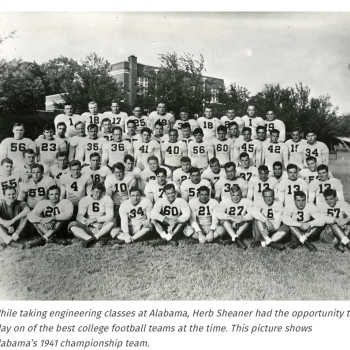
They sent us to the Universities of Alabama and Auburn. I was with the group that went to, the University of Alabama. And while I was there, I guess my development from a little bitty guy in high school. 108 pounds. Now I weighed 160 pounds. I realized I had strength and speed like a Jack Rabbit.
Could you share with us your experiences as a football player for Alabama?
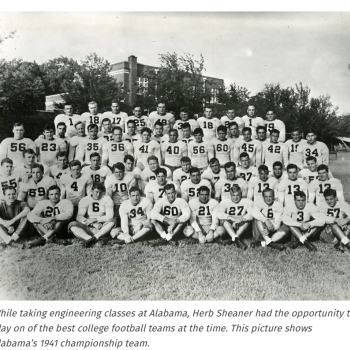
At Alabama, I got to play with the football team. In a game, I was the guy who scored the only touchdown. My center on the team was Frank Barga, all East Center for Temple. My quarterback was from Dartmouth. As for me, I played halfback and he figured it out, and the quarterback from Dartmouth said, do you go through the line? We’re going to run like at the running play.
But I get up on the line, he said “I’m going throw it to you.” And I followed his instructions. And for some reason, I must have had my hands back here, didn’t see the ball back. But, I could feel it in my hands. Nothing but the gold posted down there. Awesome. So we made the only touchdown in the game. But that encouraged me to know that I loved sports and I went on and went out for football and then track at the University of Texas.
Later after I got discharged from the Army, I would go on to participate in various football and track and field teams. Daily, I thank God for what he gave me, with me developing from a little bitty fellow to a little fella, and then again to a stronger and stockier man.
How long were you on the front line before you saw combat? How long were you in Europe before the battle happened?
Disabled, killed, and wounded. These were the first words I heard when the Allies invaded Sicily. Most of the people I was with at the University of Alabama, were saddled up at Camp Atterbury, Indiana, a large infantry school.
And we joined this infantry division. They made room for us people and we took their places. We were all infantry people who went to England and joined different infantry divisions that were fighting in France and in Germany.
That’s who we replaced. And once or twice before the division went over there, they, they did that with the board, but they didn’t get me. At that time, I was the top shooter. I was just designated to be the sniper. I wasn’t just an ordinary infantry guy. So they shipped all the privates over and had replacements to Europe.
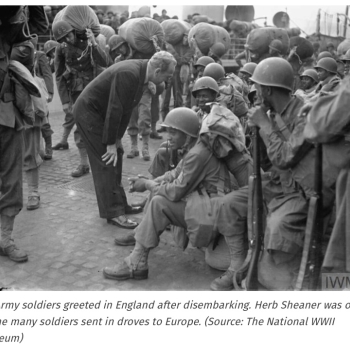
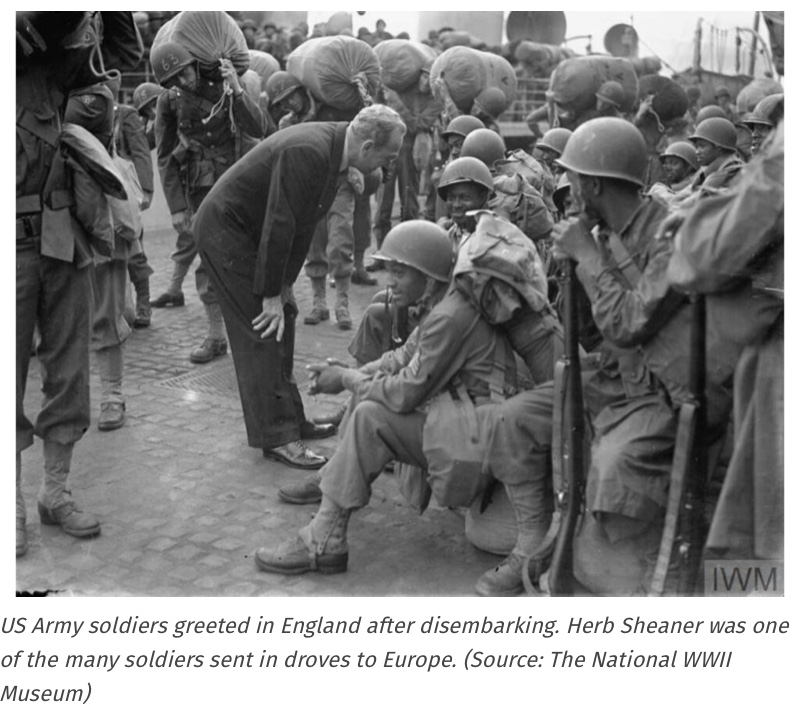
So I stayed with my company captain. Then we’d get new people to arrive, they must have decided this, they, they just stopped using this division as a replacement center and sent, sent us to England. In England, we stayed a month before we headed over to La Havre, France.
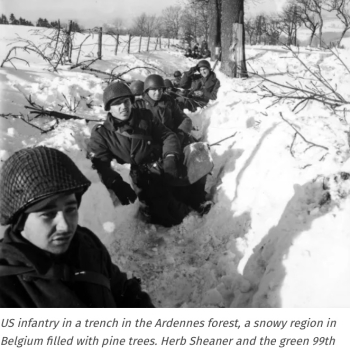
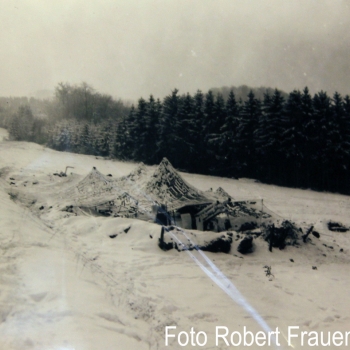
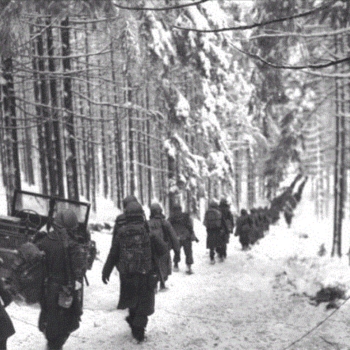
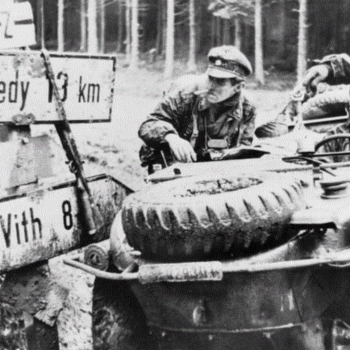
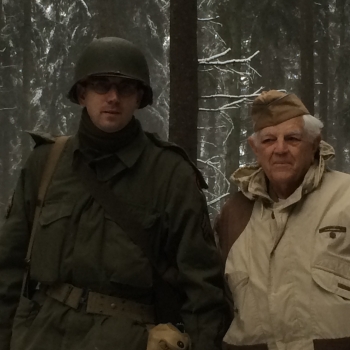
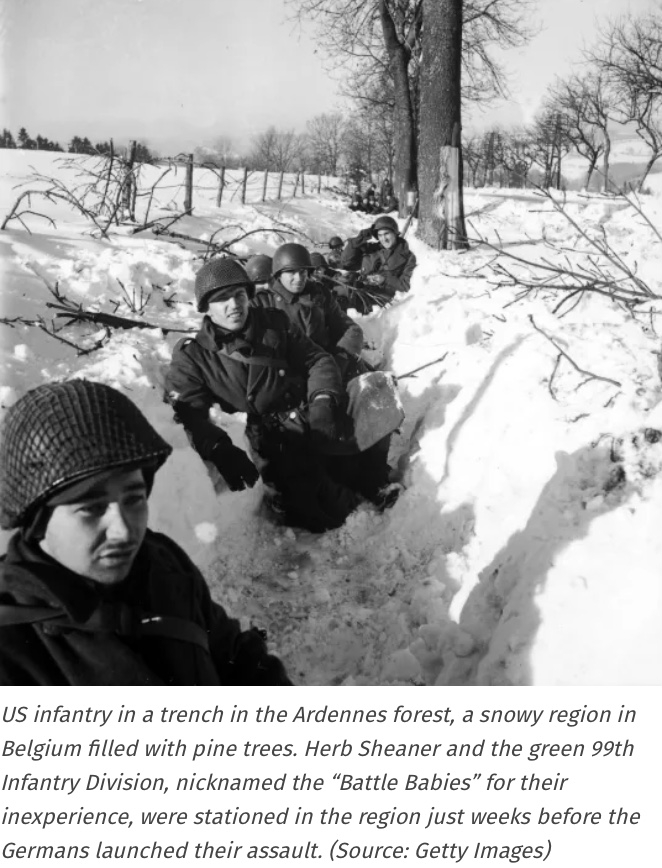
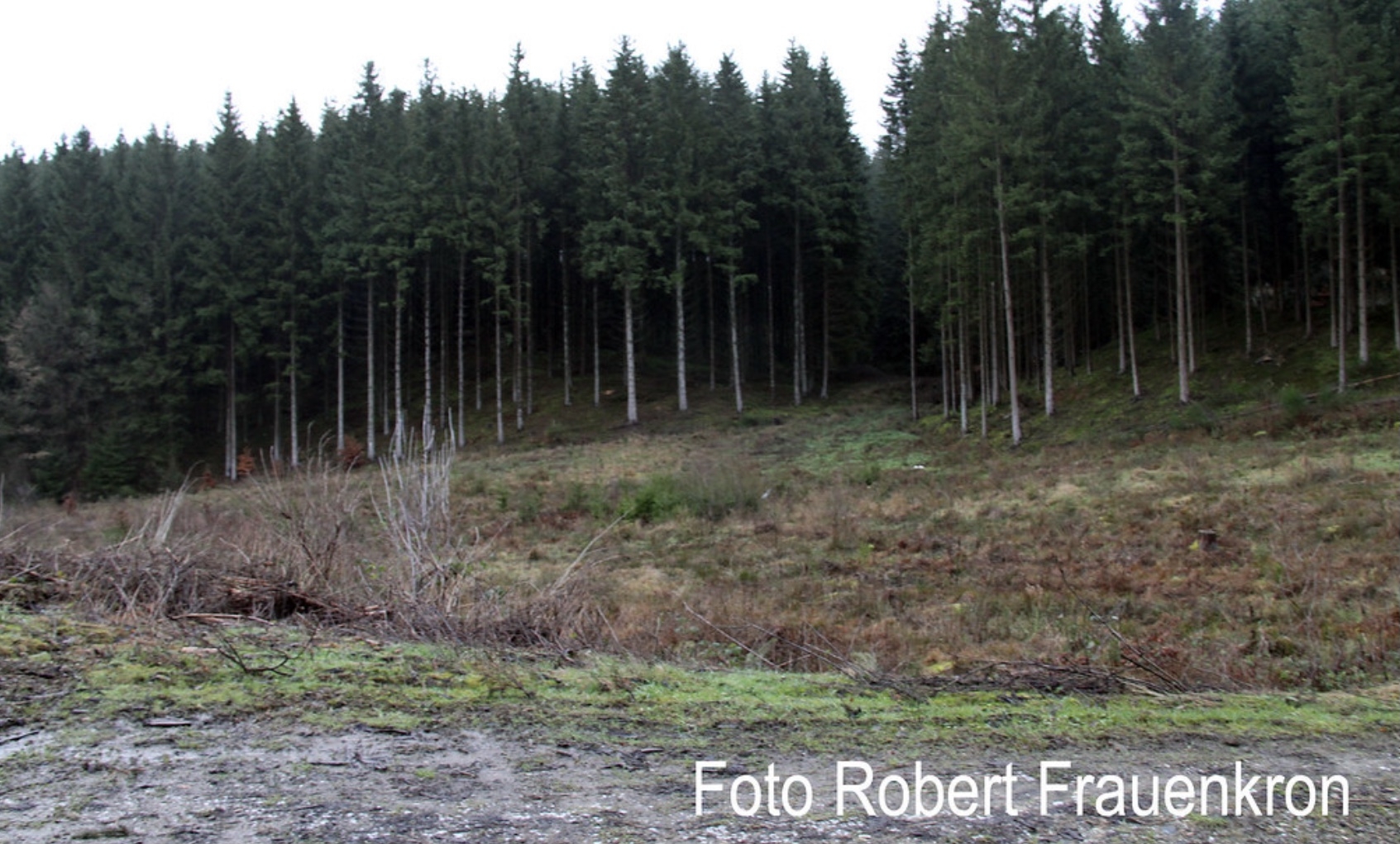
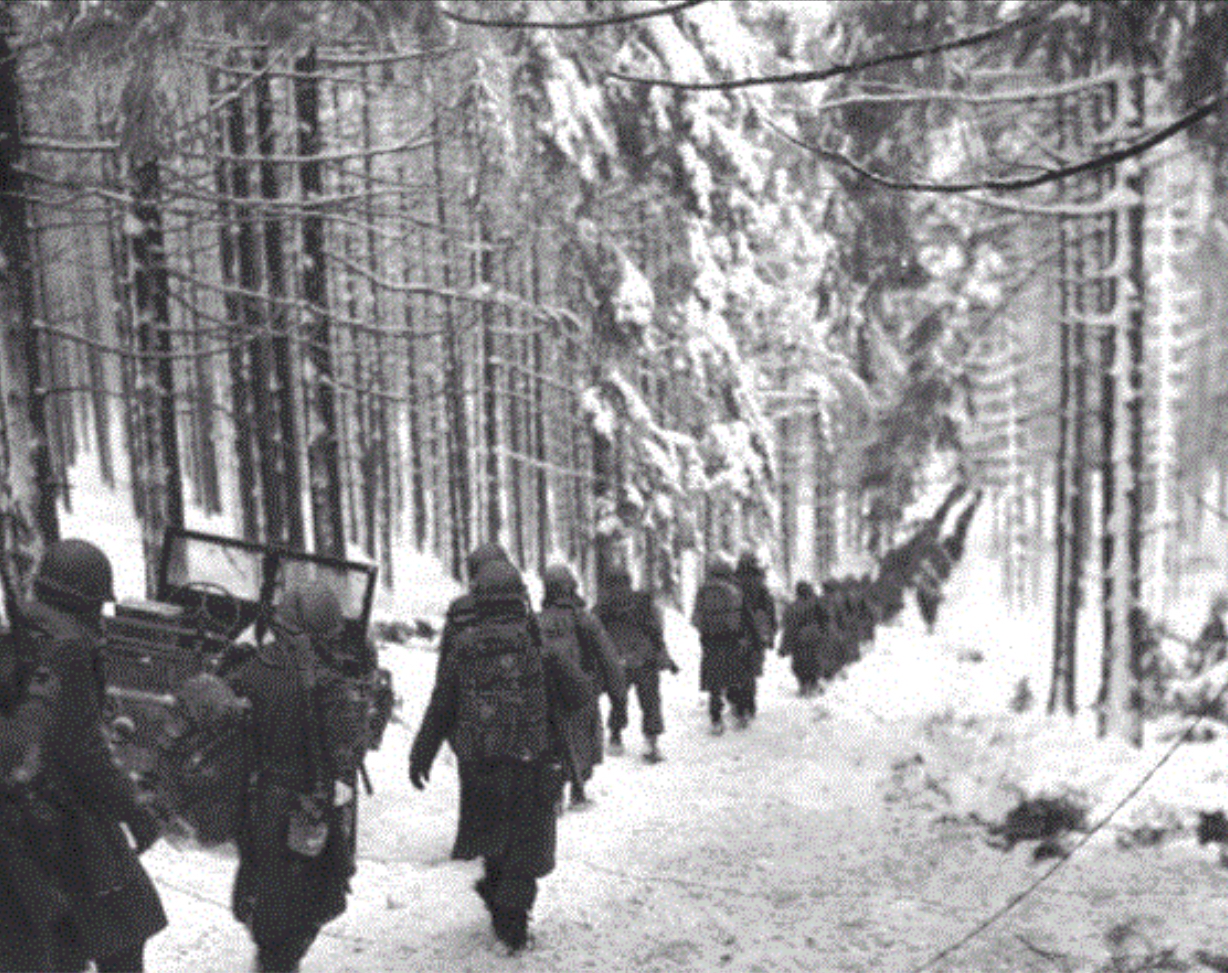
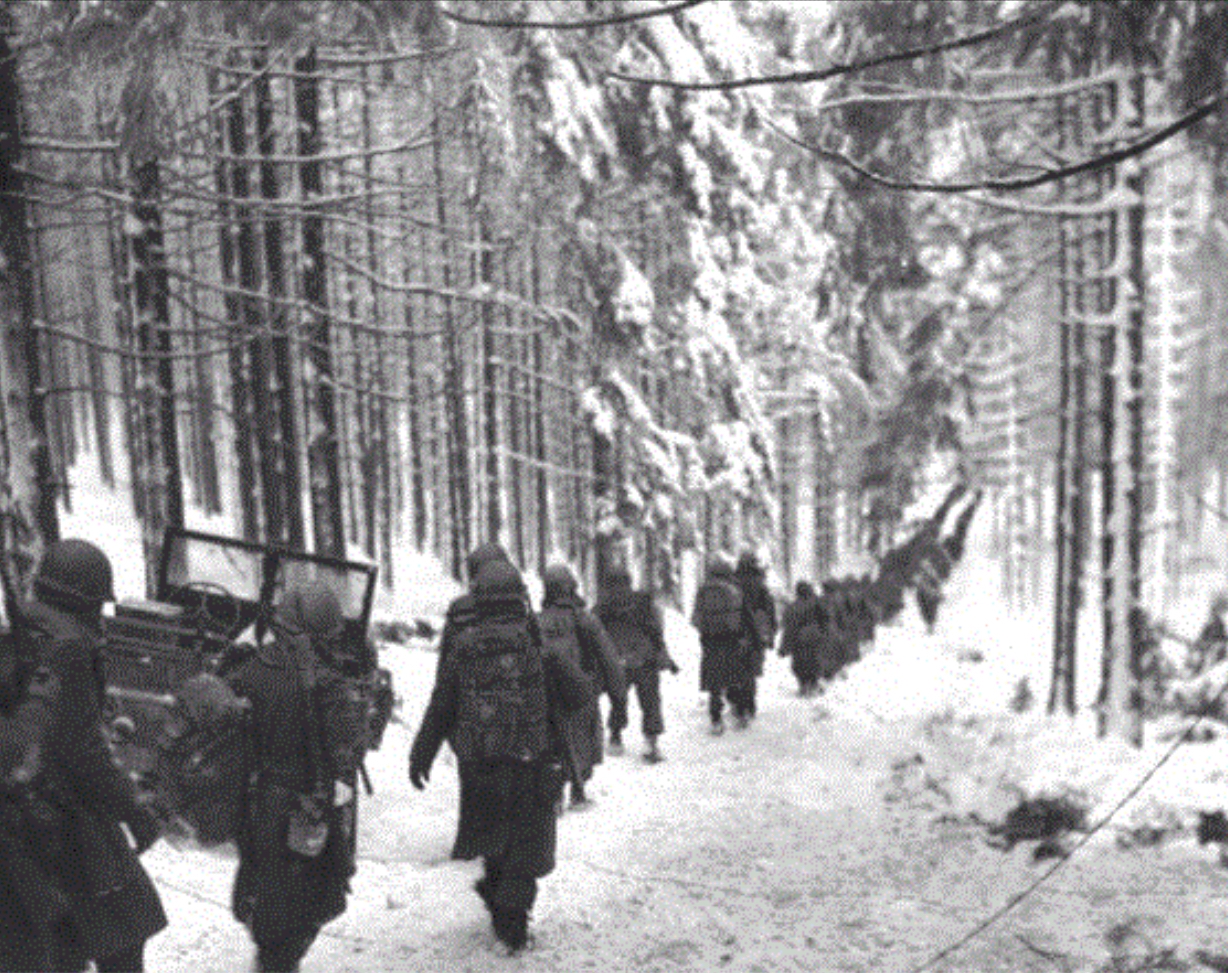
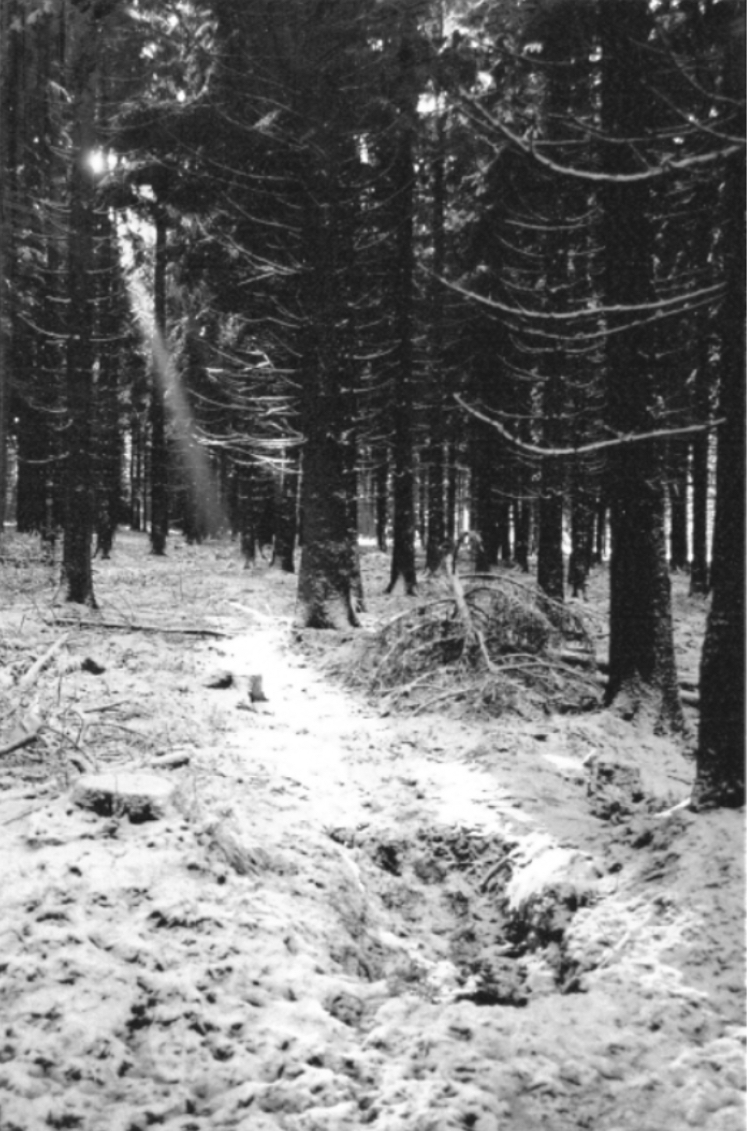
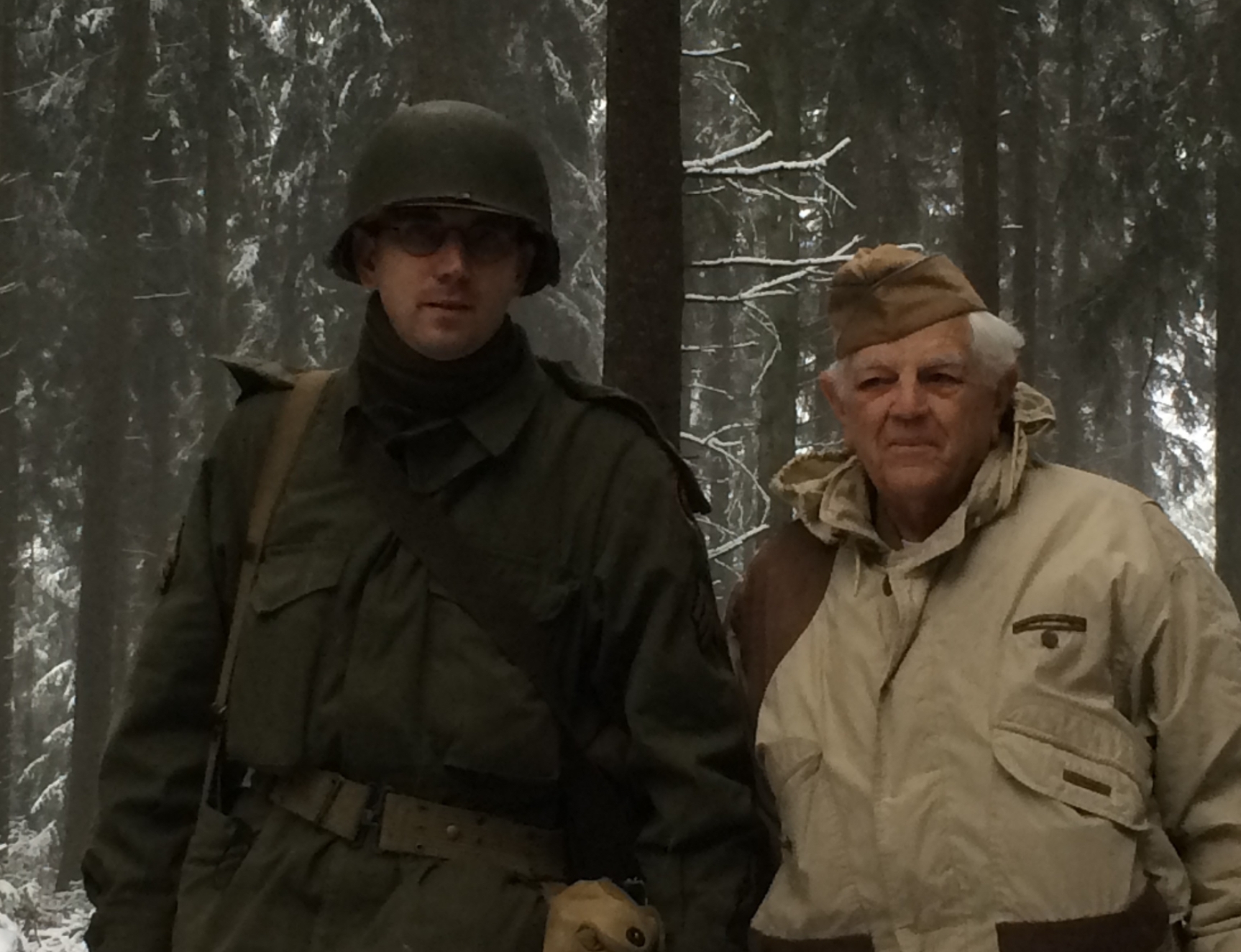
After landing in France, we went by truck up through Belgium at the right end of Germany at the line. We were in the Ardennes forest in Belgium, a very forested region in Europe.
One of my fellow soldiers said that he had only a single clip of ammunition (8 bullets). Well, I quickly realized that’s not a lot of bullets to fight with. Overall, we were not equipped with adequate supplies to fight a battle.
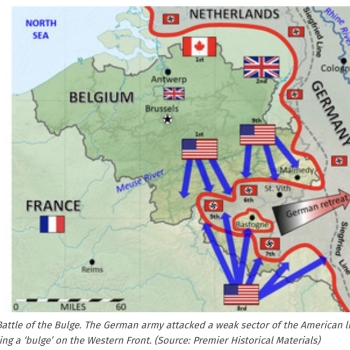
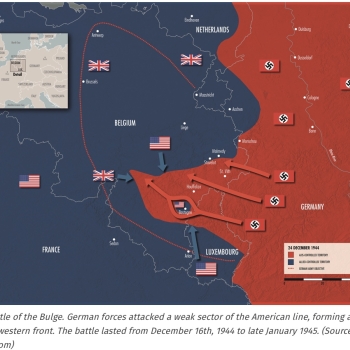
On the front lines, a division (10-15k troops) ideally should cover 6 miles. However, we had to cover 26 miles. Prior to the Battle of the Bulge, we had only 4 divisions (~75,000 troops), compared to Germany’s 3 field armies (~300-400k troops). Also, our 28th division has been fighting down in the Hürtgen Forest, so most of our divisions were understrength.
I wondered why, wouldn’t our 28th division just encircle that forest, and keep the Germans in there to go on with their business and go into the Rhineland. Well anyway, the 28th left the Hürtgen Forest and were just south of us.
What units did you come to relieve? Also, were there any signs of a German attack while you were posted in Belgium?
And here we came to relieve the 2nd division, which was an experienced infantry outfit. They were just about a month or so before we got there. And then, they joined up with the division that we took their places. The two divisions then worked together in front and they kept the Germans from going up toward Brussels.
The atmosphere was so tranquil. We didn’t hear any trucks or tanks or anything. It seemed like you would’ve heard, of course, you read that. Some people say they could hear rumbling or trucks or hit tanks in the distance, but I never did. I know one of the outfits that I know of, I mean, it wasn’t enough to make us think we were going to be attacked.
The second chapter of a three-part series on the experiences of a WW2 veteran and former Jesuit Track and Field Head Coach Herb Sheaner. In the last article, Mr. Sheaner discussed his high school and college years, and his initial service in the Army before the Battle of the Bulge.
The Battle of the Bulge, or the Ardennes Offensive, was a massive German attack in the forested, snowy Ardennes forest. The region was lightly defended by American troops, and the Germans would amass nearly 400,000 men for the offensive. After their initial attack, American reinforcements poured into the forest and a two-month-long battle ensued. It was the costliest battle in American history, with nearly 90,000 Americans killed, wounded, or captured. German losses were around 100,000.
In the midst of this horrific bloodshed was the 19-year-old Herb Sheaner. This is the second part of his story, describing his personal experiences during the battle.
***Warning – the following describes violent events including combat and death.
On the day of the German attack, where were you and can you share with us your experience, what was going through your mind at that time?
Well, the time was midnight to four o’clock in the morning. I was standing guard. The Germans attacked at five. By that time, I wasn’t down there in front of our lines. I’d already come back through that opening and the barbed wire up the trail and got in my little hut.
So when the Germans attacked, nobody told me and I didn’t know it. I was a good sleeper! So I slept through in that whole damn place while the Germans were overrunning our positions. Undoubtedly, today I would think they could have opened up a door and thrown a hand grenade in there. But suddenly, everything settled down.
Well, I finally woke up and got out of there and started off down the hill a few feet, and my helmet came off. But I had my gun and I was ready to go, but by that point, nothing happened. I was thinking ‘What happened? What saved us from being overrun?’
It was our mortar section in the company. They lobbed mortars right out in the front lines. Well, while that was going on the Germans were attacking our outpost and that outpost had a whole squad of men, maybe 10 or so Americans in that one outpost.
That’s what they were attacking. If they got through that, the next thing would’ve been coming to where I stood guard and probably gone trying to go up that trail. But we had our mortar section ready.
So when they were making these loud noises around 3:30 or 4:00 in the morning walking around, you could hear the clinking of tanks and engines of trucks. There was somebody doing something out there. And when they opened up their attack on the outpost, boy, our CO (commanding officer) called in the mortars. They just dropped in the exact position where the Germans were attacking.
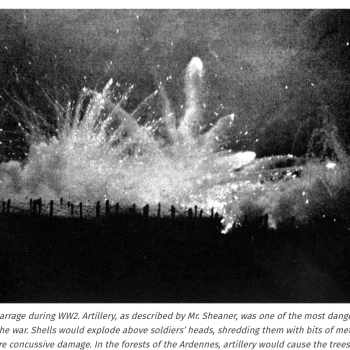
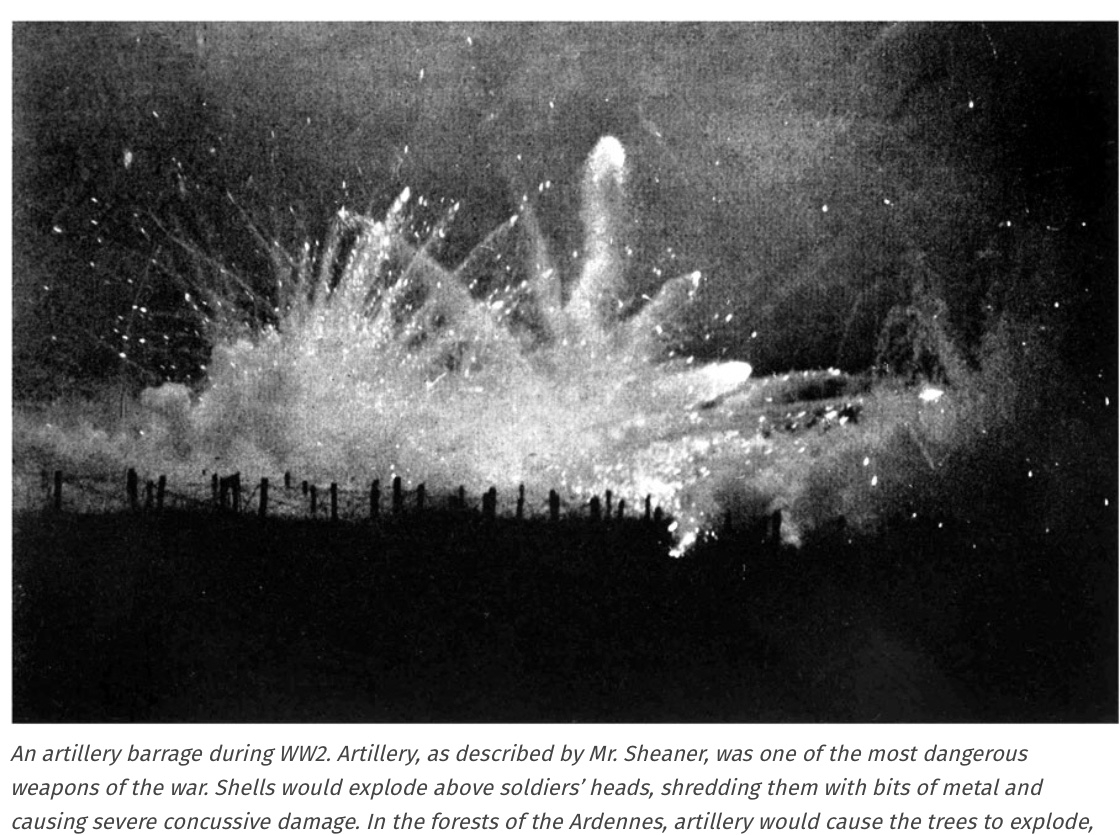
He had the right coordinates. Right on top of the Germans. I mean, it destroyed a whole German company. And remember, artillery was the deadliest weapon of the war. More people were killed in artillery strikes than by firearms. They hit the trees and the limbs fall down and hit people. And the shrapnel hits people in the shoulders and it disabled people, but they never used artillery on us thankfully.
And they brought up some of the dead Germans outside of my post here, outside of my little hut, when I got out, they had a dead German officer, just a few feet in front of me.
And they also brought a boy about my age, I guess 18 years old. He was dead, but he wasn’t dead when they brought him up the hill. You know, they were trying to get him to medical service. But he was too well gone.
It was the first time I’d seen anybody dead. And I looked down at him, I said, that looked like any young soldier like me. And the other guy looked like my captain. I felt sorry for them. But we stopped that attack there.
Well, I know now that the Germans were really just keeping us in place. They didn’t have anything behind them. They were just keeping us there, while the main thrust of the Germans with their tanks was going around us.
Yes, they were going around us. The Germans were smart. Get the tanks, go around us, and surround our entire unit and as it ended up, we ended up being cut off. Most of the 106th Infantry Division (about 9,000 American soldiers) were surrounded by a pocket of woods. Cut off and without supplies.
Our front was just too long. 26 miles! I mean, a single infantry division is supposed to be in a little 5-mile area. There were too many gaps in that hole. We ended up having to march back to defend our regimental headquarters.
And an open pasture beside it must extend uphill for a couple hundred yards. In the meantime, my company decided to join the regimental headquarters people and go get us a hot breakfast. So we had the eggs and bacon, a good breakfast, and all the company men were there.
When you were surrounded and cut off by the German tanks, when did you realize that you were cut off and what was that feeling like?
I don’t think we realized when we went over sideways on the front lines to protect our regimental headquarters. I don’t think we even thought we were surrounded. But we knew something was wrong when the artillery started evacuating to St. Vith, a town a few miles to the west.
The Germans meanwhile were planning on leaving us there as long as we wanted to stay and just go around us. And that’s what they did. They hit a road near our position, and just ran circles around us. We were up here in this pocket, with no idea what was going on, whilst the Germans were driving towards the Atlantic Ocean.
They couldn’t go through the forest where we were with their tanks. Throughout the entire battle, we didn’t see any German tanks. That’s unusual. But the Germans needed to do this swiftly and, they didn’t need to fight and fight us cause they got more fighting going on to go behind us.
They can just surround us, which they did. And we left our food and we had a lot of food in the kitchen there for the cooks to cook meals. All that, all we might have had on was a nutrient candy bar that they give you that that’s your meal, like the D rations and C rations. And we could survive on just eating those. We subsisted on those bars for the next five days.
While this was going on, we had failures in leadership. Our general, General Jones, was panicking in St. Vith because he knew that we were surrounded to the east. I learned later that General Jones could have pulled us out, but he was ordered not to retreat so he kept us there.
Nobody told our general to do that. So he finally, after a few days, just got a nervous breakdown and got relieved. His son had been captured with us, and he couldn’t take it. We were in a bad situation.
With news of the Malmedy Massacre, what were your thoughts when your unit was captured by the Germans?
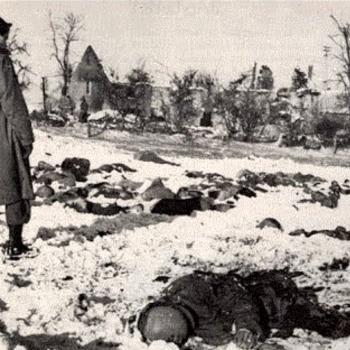
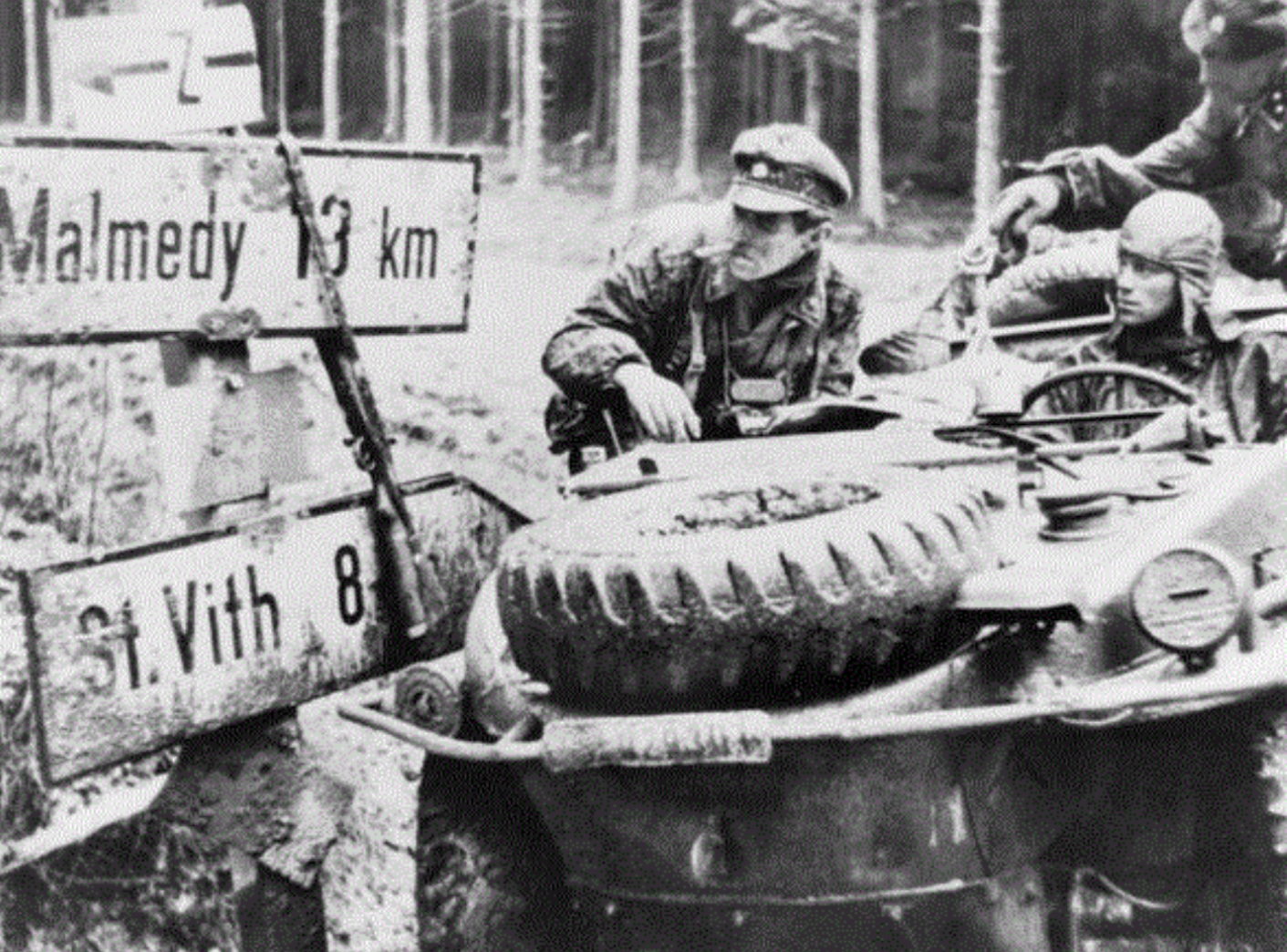
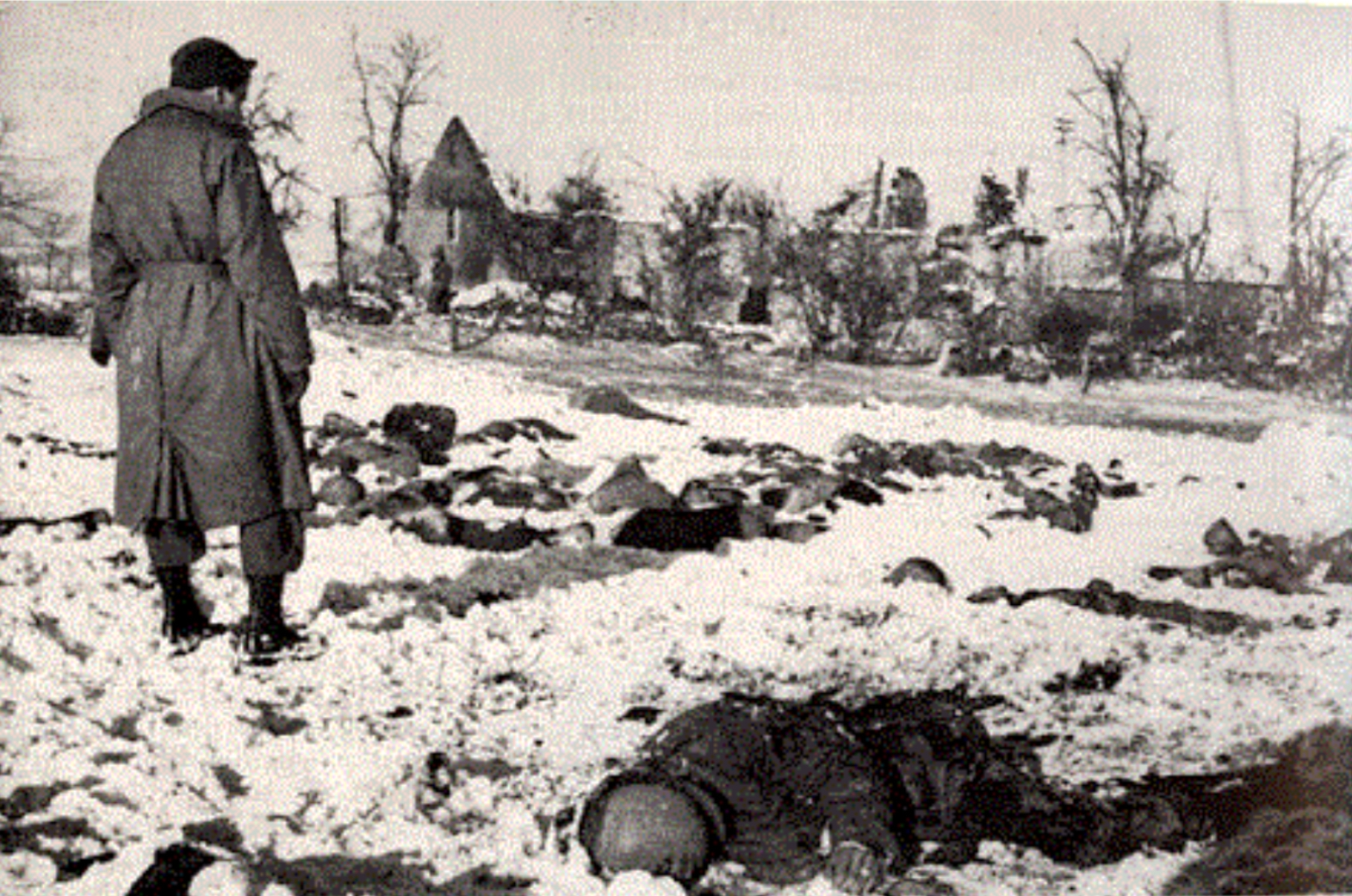
***Note: The Malmedy Massacre occurred when roughly 80 American prisoners were shot and killed by their German captors during the Battle of the Bulge. Such massacres of prisoners were rare but not unheard of, and both sides partook in the killing of unarmed prisoners throughout the battle.
By that point, I was dug into the hillside there with an outfit of anti-aircraft gunners. They had a big old truck there and they gave a machine gun on it and it was designed to shoot down aircraft. It was also pretty good at killing Germans, and they didn’t even know that it was there. The Germans attacked again, mostly infantry, and got burnt up by the anti-aircraft gun.
Every time the Germans attacked us, we beat them off but we were running out of ammunition, food, and medical supplies. The Germans finally organized artillery, tanks, and troops to launch an attack.
The Germans wanted us to surrender, they threatened to bombard the entire forest and charge us with tanks. We didn’t have any weapons to stop tanks. Our officers grouped around where we couldn’t see them.
They really couldn’t really make up their minds. A day or two later, a German officer came out across an open field with a white flag and told the officers ‘we’ve got the artillery now that we’re gonna lay on on you, and we’re not gonna lose anybody because you don’t have anything to shoot back at us with.
It was then that the officers decided to give up. They must have thought we were going to get slaughtered. My captain and the lieutenant in my company didn’t want to surrender. But everybody else, all the other officers did. So we said that we would surrender.
So as a part of the surrender, we were going to start walking single file, out of our fox holes into grass opening and going in the direction of Schaumburg, a little town that was just back that way, half a mile from us.
I was one of the first to go down the hill and with the anti-aircraft people. Cause that’s where I was at. I wasn’t scared. I didn’t know anything about Malmedy.
None of us knew anything about that. That did happen, but that happened much later. I think 20 or 30 miles on deeper towards the west. And it happened with some troops that the Germans brought in that had been fighting the Russians on the eastern front. They were mean because the Russians were mean too.
On the eastern front, they don’t take any prisoners. So when the Americans surrender on the western front, we expect to not be killed. But those German tankers at Malmedy didn’t get the message.
Anyways, I was one of the first six to get down the hill and one of the Germans reached over here, and grabbed my arm, trying to get my watch. I’m sure that must have been common during a war, to take people’s watches and things as trophies.
But this young German lieutenant barked an order, saying give that back to him. So he got his own German soldier back here and gave the American back his watch and I thought that was pretty damn nice. You know, they weren’t gonna search us. They didn’t take anything from us.
Then I with all the rest of everybody was down in the town and the Germans were going by and trucks, headed west to keep trying to push the Americans back. And I wondered what my mother would think about me if she could see me like this.
I felt pretty low throughout my captivity. My family never did know that I was a prisoner of war. Not just me, but most of these guys that were captured, Germans just didn’t report it. My family just got a letter from the War Department saying I was Missing in Action – MIA.
No, they didn’t know whether I was alive or not. My mother tells me that she grieved over that every night and thought about it. And while she went to bed here in Dallas, she said an angel told her “stop, don’t worry. Your son’s all right, he’s alright.”
And she stopped worrying. During this whole ordeal, I just felt like if anybody else can make it, so can I.
This is the last segment of the three-part interview and series with WWII veteran and historical track coach Herb Sheaner of Jesuit Dallas between his tenure in 1955-1975. In the last two articles, my fellow Roundup writers Anthony Nguyen and Peter Loh covered Mr. Sheaner’s early adulthood and his initial experience fighting in the Battle of the Bulge.
For this segment, we interviewed Mr. Herb Sheaner about his captivity in the Battle of the Bulge serving in the U.S. Army, along with his experience at Jesuit Dallas regarding his love for track and field. He also blossomed the sport into what it is today in Texas high school sports with a nomination to the Jesuit Sports Hall of Fame in 1999 and the founder of the Jesuit-Sheaner Relays.
Describe your march back into Germany and the physical toll and mental toll that took on you and your comrades.
You know we got captured on the first day. We were walked through. I would say maybe a mile or two out of the little town where we were captured by the time it was dark or getting dark, it was wintertime. It gets dark there, maybe 3:30 or 4 in the afternoon. It seemed like we just sort of made a circle in the snow out there in the field, hated it in Germany on the road, and just laid our overcoats while nobody ever got cold.
We were dressed so warmly and we’d just gone through such a bad experience. That cold was the last thought in our minds. And then we weren’t hungry either then because we’d had these nutritious D-bars for the last four or five days before we got captured. We hadn’t taken a little time before your body got down where you didn’t have, you just needed food.
We were just top notch physically when we got captured, just top-notch, you know, we were just, we’d been well fed three good old mills a day and I’d gone up to 161 pounds.
So nobody complained, you know. Now the Germans didn’t have much to offer us, but on the way back, some German truck came by going to the front and he had a big old, a gallon, five-gallon can of syrup is what it was. And so he stopped and the Germans gave it to my captain and he made a big circle of us prisoners. And we’d go by the captain and he’d give us one spoon full of syrup and then we’d go on and if we got around to ’em again, we’d get another spoon full until that can of syrup was six gallons was empty.
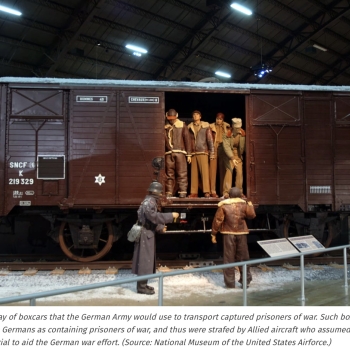
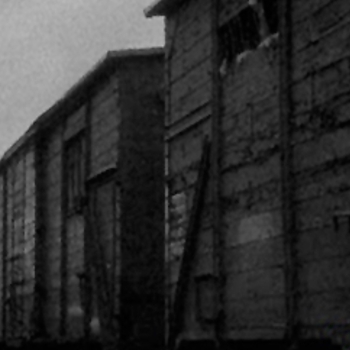
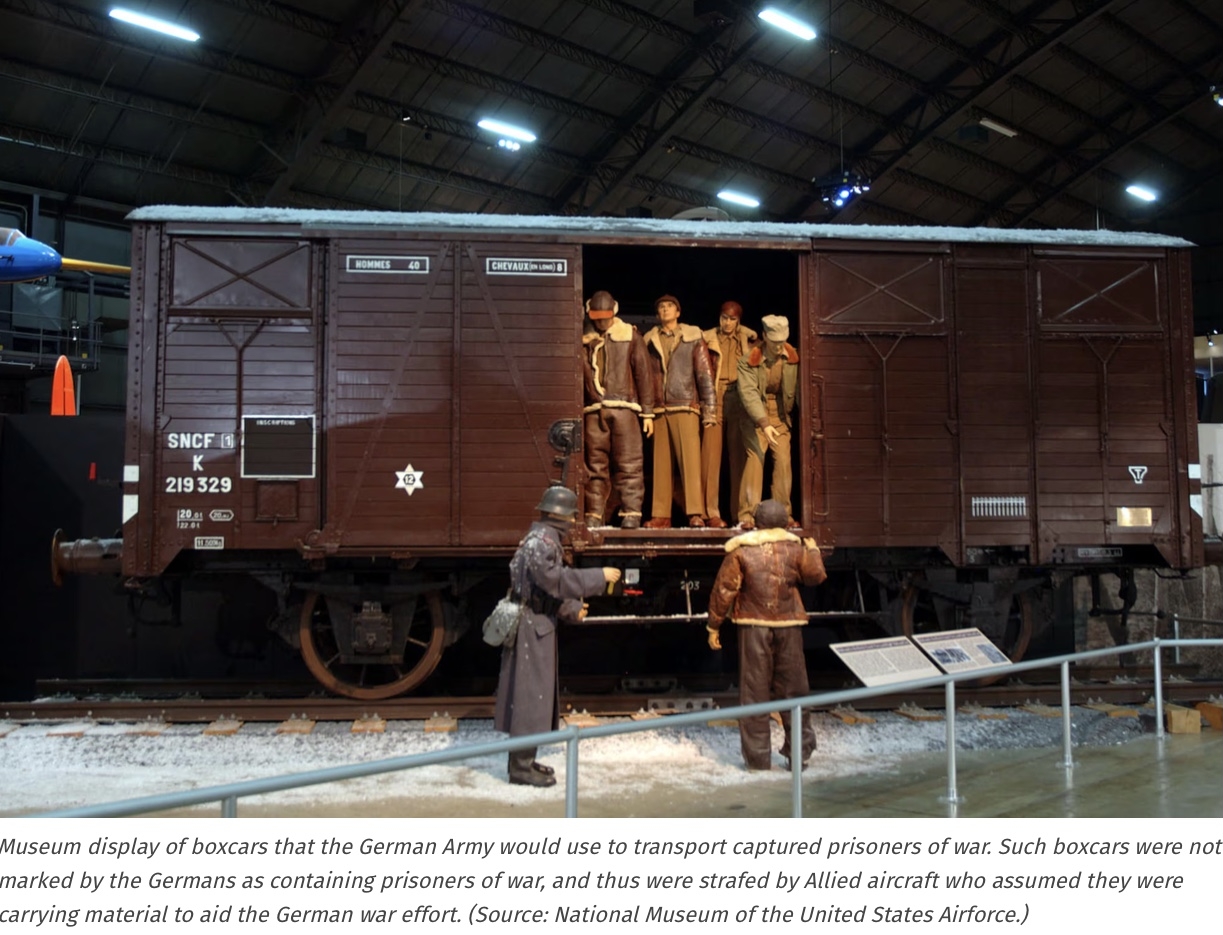
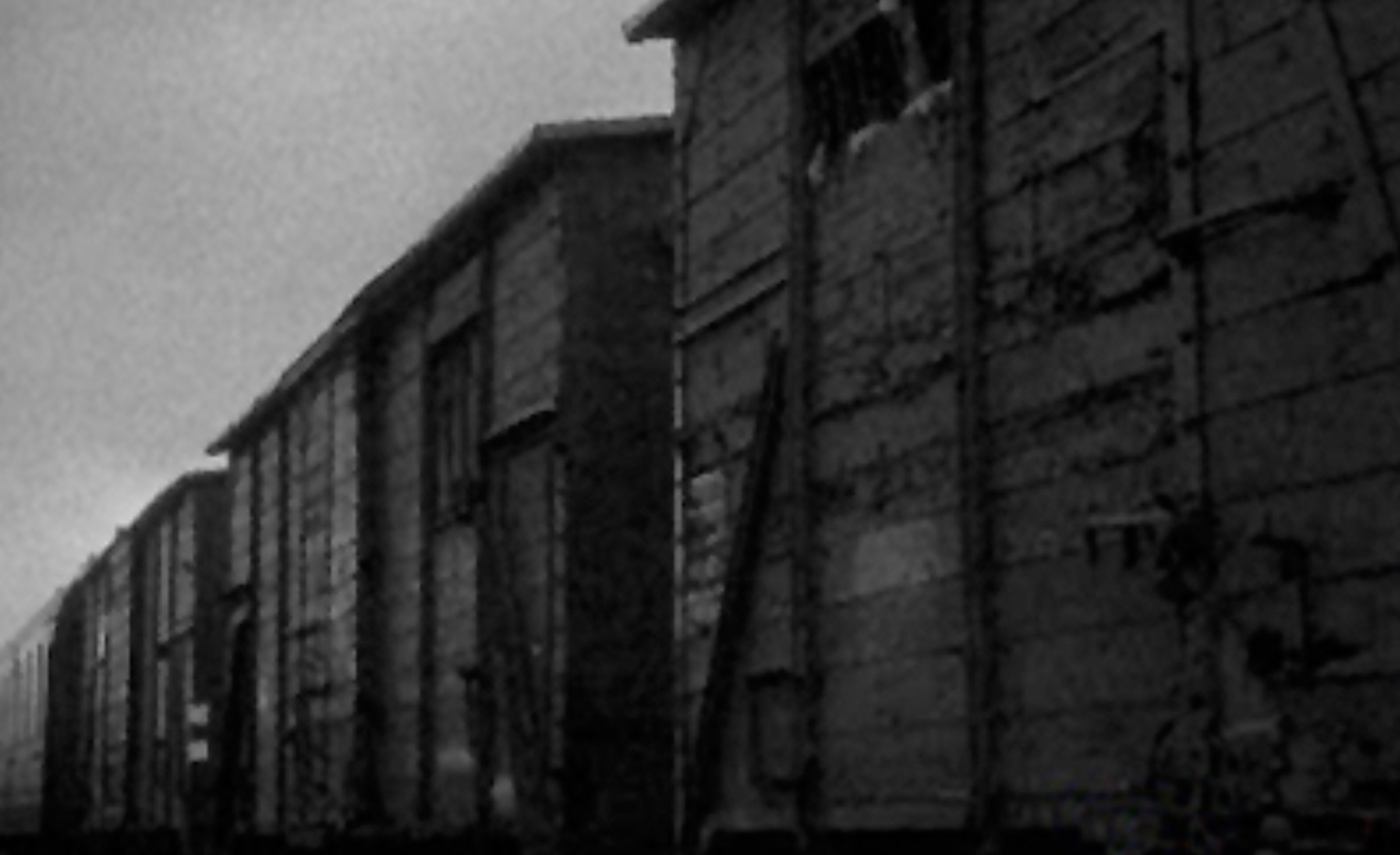
That’s what we had to eat. And you really didn’t get hungry until probably you got on the box cars and started to get back to Germany. On the western bank of the Rhine River (the main body of water that separates Germany from Western Europe), we were attacked by our own aircraft – the Germans didn’t put markings on the boxcars that they were full of American prisoners.
So the aircraft, our own American fighters, were shooting us. We got shot up. People were hit and someone two places from me were hit with the bullets from the aircraft and we were locked in this boxcar with no way to escape.
We weren’t hungry until later on. We didn’t get really hungry until we got to Germany two or three weeks later and they didn’t give us any breakfast. No lunch. Only down about that, about [Mr. Sheaner holds up half a cup] much of soup, and it wasn’t very good.
What was the mood of the men?
You know, nobody talked about anybody. Nobody talked. So it was, I guess you just say how in could this happen? But it just was unreal that we asked ourselves, how did it happen? They weren’t very happy. They weren’t talking to each other. It was just a done deal and just nothing cheerful about anything. It was just a bad, horrible situation.
We just walked for days and days. It was over a hundred miles back to the Rhine River, and we’d rather do that than get in a box car again and get shot up. There wasn’t much, there wasn’t any talking just with each other. This German boy came down a road on a bicycle and said, ‘we’re gonna win the war!’. I thought, well, I don’t know. I was asking myself, ‘Is this kid right?’
He’s right, you know? Because I think by we thought the war would be over by the time we even got to Europe that December, 1st of December, and here it is. But the Germans had amassed enough troops to overwhelm us, three field armies (~400,000 troops) against 4 divisions (~75,000 troops).
Well, that includes artillery and nurses and cooks and everything else. And the Germans also had thousands of tanks at least to start with. We didn’t have any tanks to oppose them.
What was the treatment that you received whilst being a prisoner of war?
Most of the stories you’d hear about prisoners of war would be the Air Force men that got women and men who would hit them with broomsticks. They definitely mistreated a lot of the Air Force boys, because they were the ones who really destroyed their homes.
But a lot of the civilians were nice to us on the way to our prison camp in Germany. On Christmas Eve, a German lady came out of our house who hadn’t quite reached the Rhine River for a march back to the river, and came out and gave us all cookies. And then that little boy you read about on a bicycle confronted us. He came down on a little road coming down to the road we were walking on, saying ‘we’re gonna win the war. We’re gonna win the war.’
I didn’t know whether he was right or not. The war wasn’t looking so good to me. I mean, we got overrun there. None of this was supposed to happen. Because we were captured, we didn’t know what was going on in the outside world.
I was a young guy and I know one German woman asked me what branch I served in. I was thinking at the time that the Air Force people, you know, had all the goodies and everybody was a sergeant and everything. There was a lot more to being an airman. And she told, asked me what I was in. I was a prisoner going back to prison, walking back to the Rhine River. I said I was in the Air Force.
Hell, I lied. I thought she’d like me if I was in the Air Force. No, she did not, because, but I didn’t realize that they didn’t like Air Force people. Cause they were bombing the heck out of Germany. They bombed all of these houses and killed so many people. She just looked at me with spite in her eyes.
Could you give a physical description of the camp?
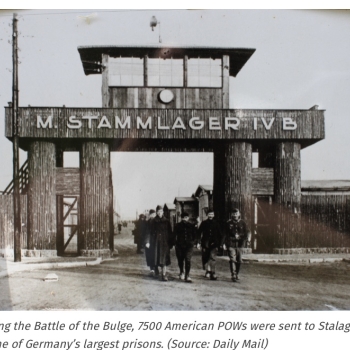
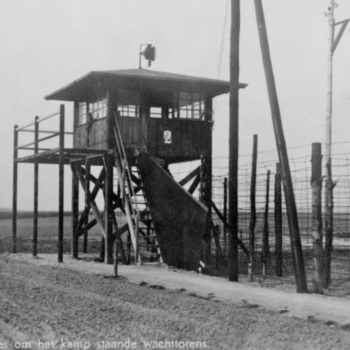
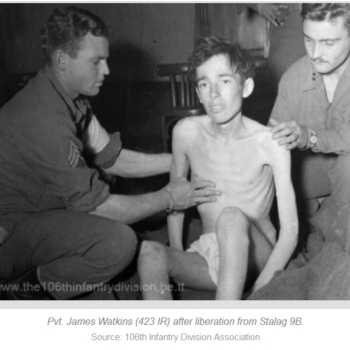
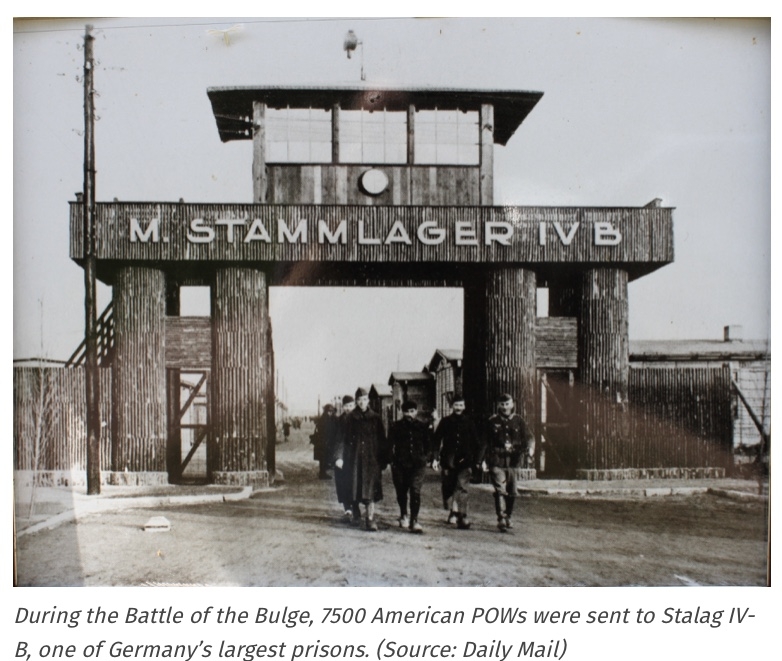
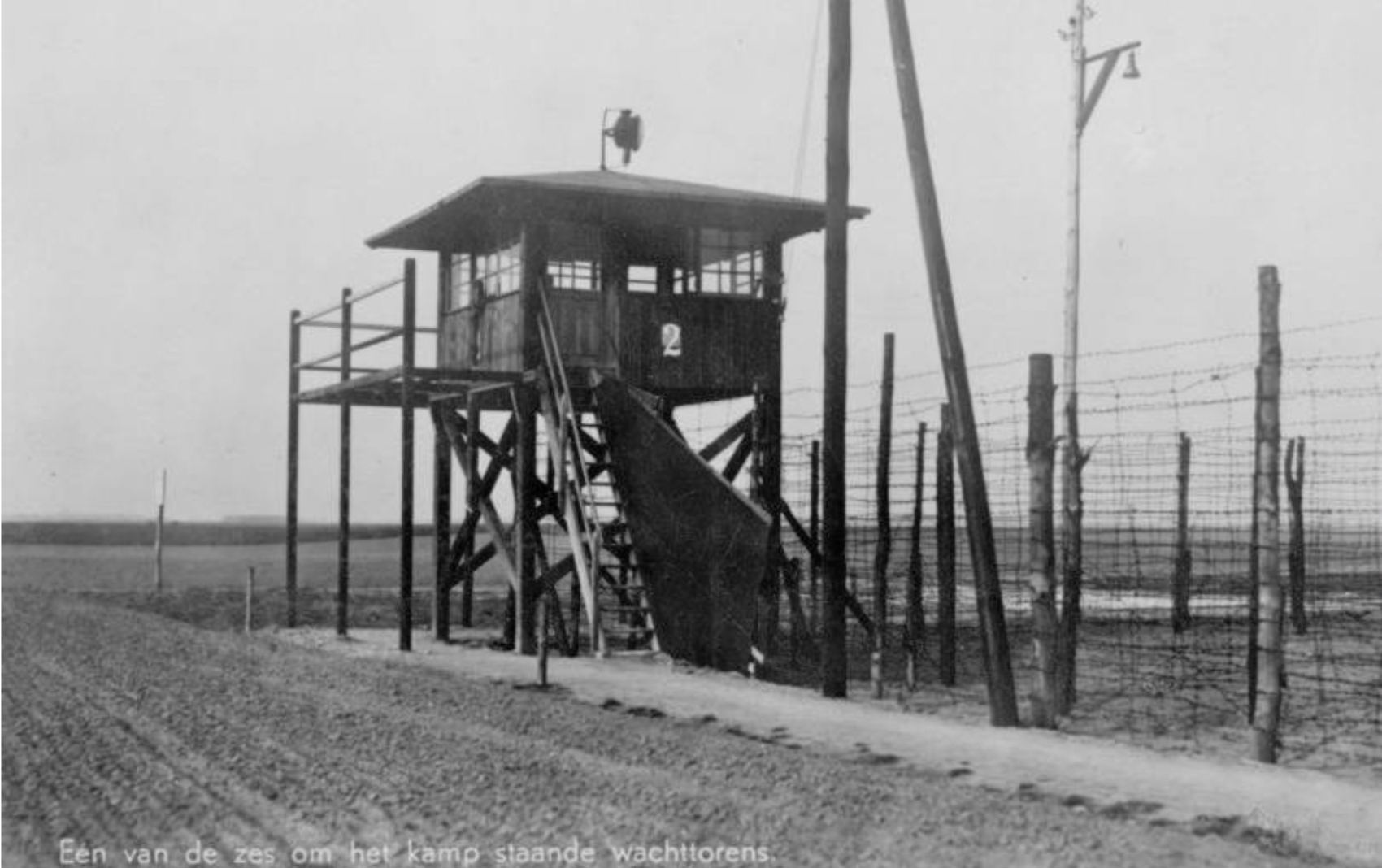
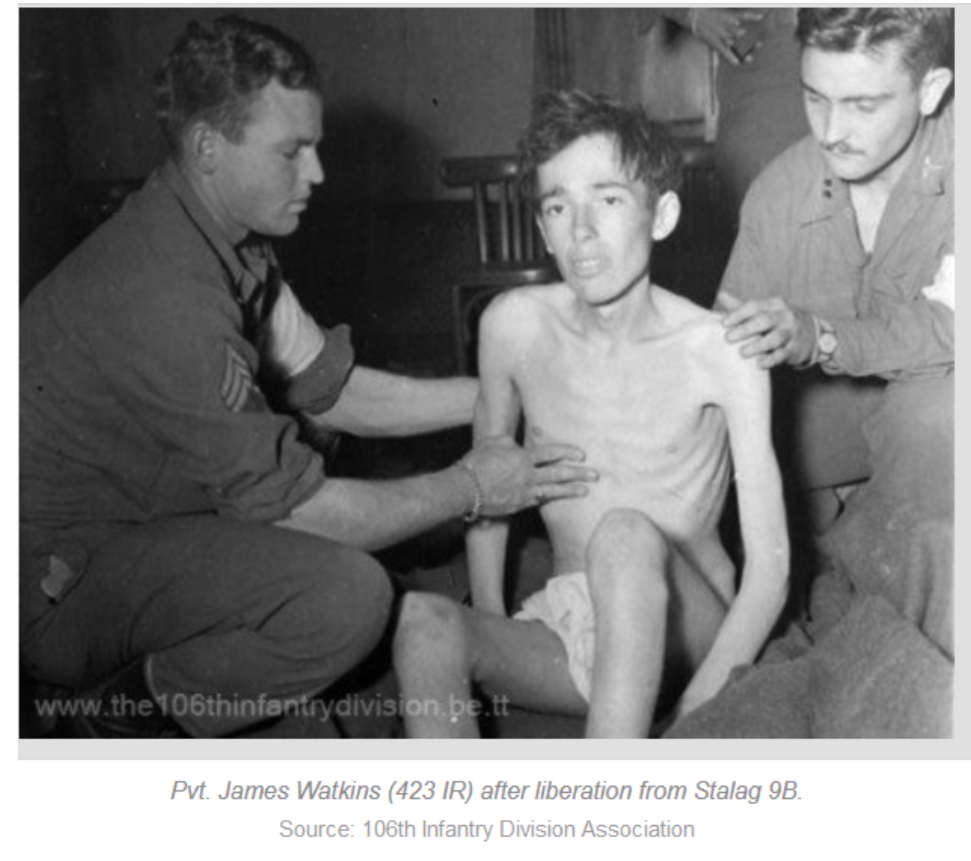
It was Stalag IV-B. Stalag was the name for the German prisoner-of-war camps. Well, sure enough there that’s where the winter was. Because we were in Eastern Germany in the snow. They removed the bar across the sliding door on the box car. So we got out and jumped down on the snow, and we stepped in to form a big line that came by and then went and leaned on a fence.
And just like a wood barracks there, we opened up and nobody talked. Nobody had anything to say. It was about midnight, we didn’t know what to think.
Mostly the camp had British prisoners, but they had some Russians in there too. They had some Indians, and they had different nationalities, not just British. We went in and the first thing they did was to get everyone to go one at a time and the doctor would ask your name or what you do for a living before you got in the Army.
You immediately march on, going with the next guy and then the next guy gave you a shot in the chest. We got shots up in the arm for the flu.
And we got inside and just one of the first barracks I came to they put me in there and it was full, but they found a bed for me. The Germans did and told me, to get in that bed, and it was in the British barracks and they played dance music from that, that past summer. And it was January or February, you know man, I thought I’d died and gone hearing all that pretty music, but they were playing it on a phonograph.
The British had been there so long that they, they had were getting BBC reports on their hidden radio, but never the Germans never found it. If they found it, the British would just create or smuggle one in again! I wasn’t there, but maybe two or three days before they got a hundred of, of, of the privates and put us on a train that’s gonna ship us out to work on some farms digging creeks or something else.
By the time of this physical labor, was it springtime and was the weather looking better?
No, it was still winter when they made us do the physical labor on the farms. Oh yeah, it was real cold. Sometimes the German guard would build a little fire and let one man at a time come over to warm his feet. But when you got a hundred guys to warm up, not everyone gets a chance.
Somebody would get up there by the fire and the guard said you can stay 10 minutes or five minutes. He didn’t care at all. He just stayed there for 30 minutes and, just stayed there by the fire. And the guard wouldn’t be there.
So we had about four or five of that kind of guys, out of a hundred of us that were, you know, this kind of people were a bunch of lowlifes. They might have been 30 years old, but they were taking advantage of everyone else whilst it was so cold.
But you got used to it being cold eventually. Cause that fire was really, really helpful. If one of the prisoners wouldn’t stay there too long, the German would keep putting a little wood on it and letting us get there, one at a time around that fire.
We had our wool clothes on and army wool hats pulled down. We never took our clothes off during the night either cause it was cold, too cold at night where we slept. We just slept in our clothes and the only thing to take off was my shoes.
And we had a blanket in the bunks we could throw on ourselves. The Germans put two men in each little bed that helped you keep warm.
That’s when the talking began, in the barracks. Everybody talked about grandmother and aunt and mothers and what all they cooked and all we could talk about was eating food. There was no talk of anything else, no talk about girls, or the war, just food.
The last thing, everything was just food. That was the most important. There nothing, man, I tell you that was, it felt like you’d been thinning by morning all that other stuff wasn’t on your mind. That’s just all you could think about was what your mother used to make and what your aunts would bring over.
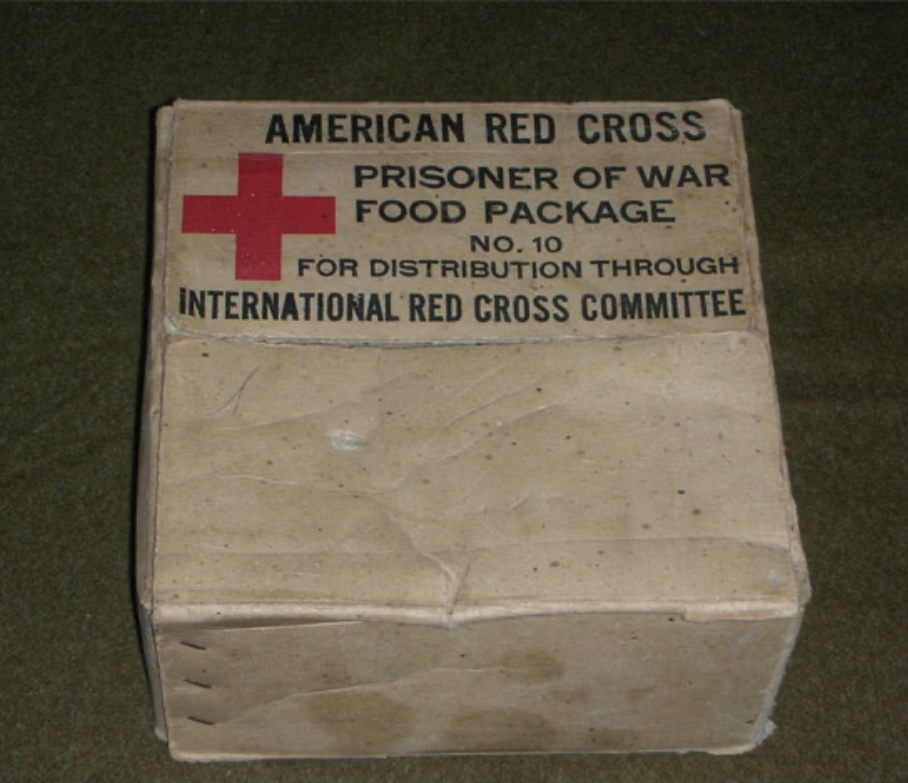
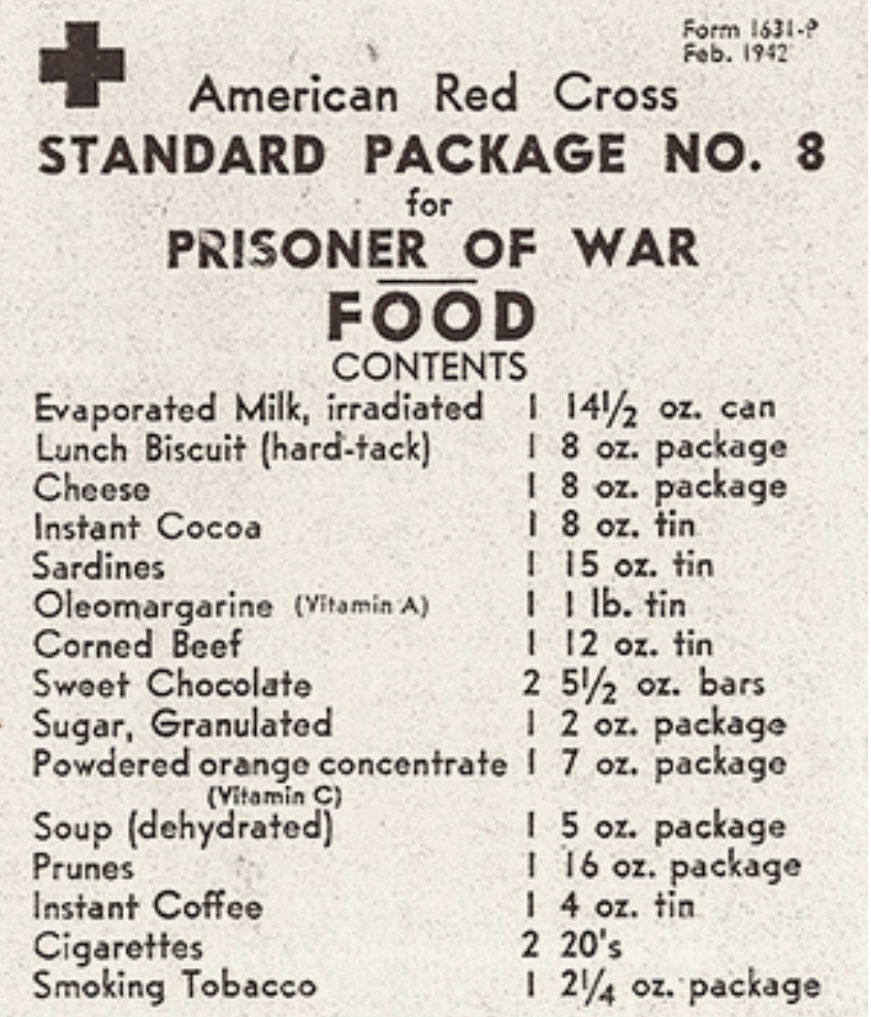
Just nothing but food, and the guy from Iowa would say, well, I eat about hot cakes. Describing so many hotcakes on top of each other while we all feel we’re starving to death. But we just had to talk about it and listen to it and what really, I guess, really saved our lives. Near the end of the war, the Red Cross.
The Germans brought them into our compound where they kept us in this big eating hall of a cafeteria.
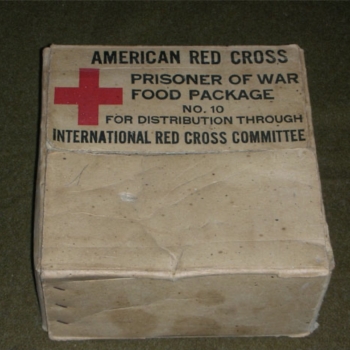
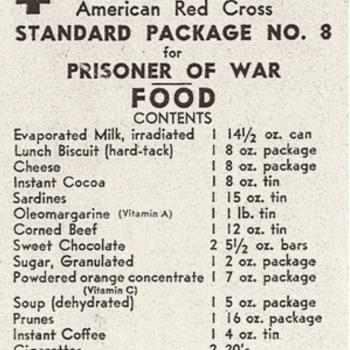
The Red Cross brought these boxes of food to us. We got each of us, we get to get a box, and that, uh, would last about two weeks and then another box so we could have even more. That was, I think that saved our lives, undoubtedly.
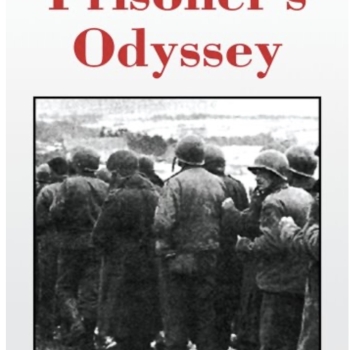
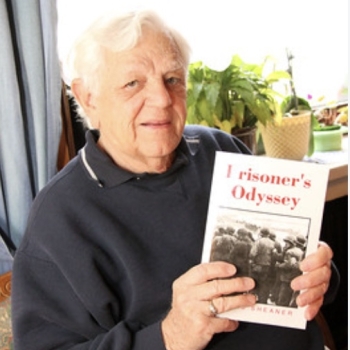
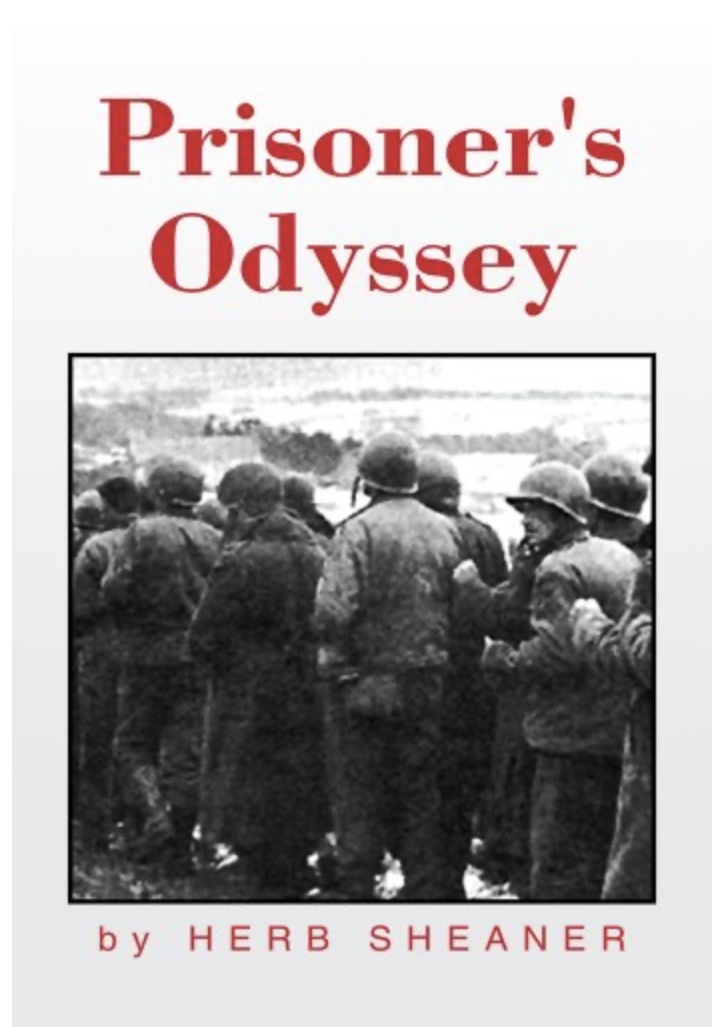
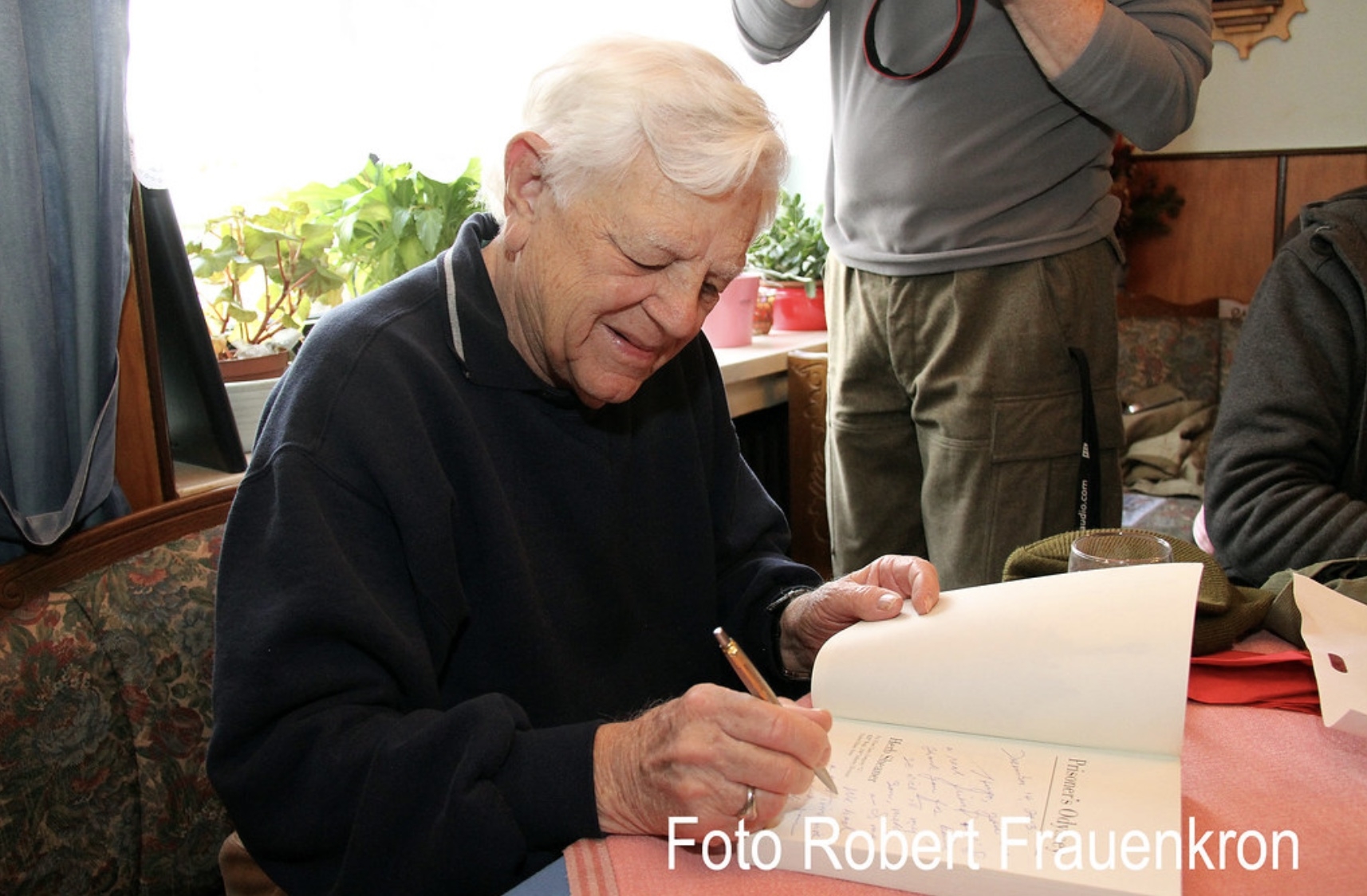
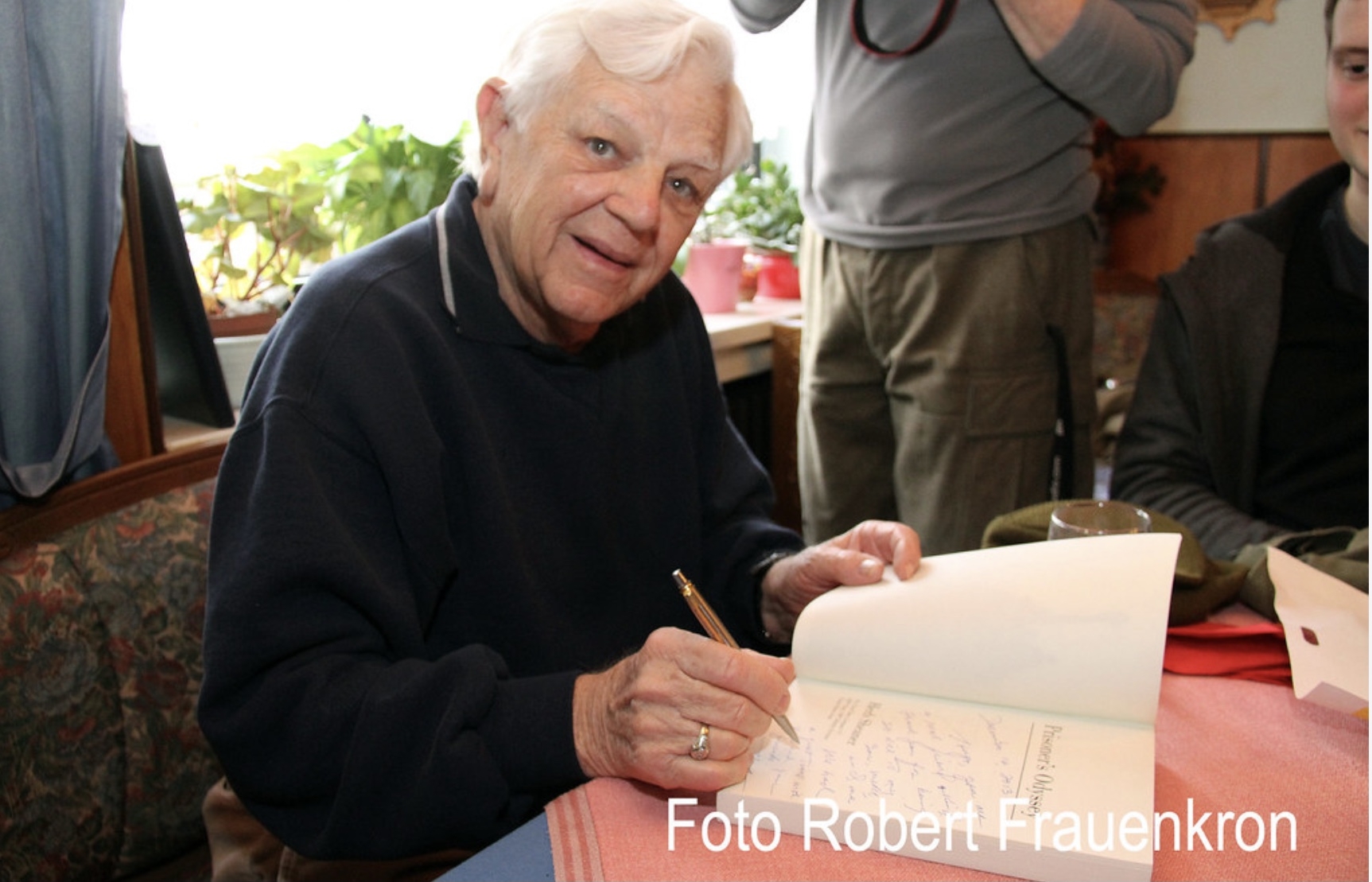
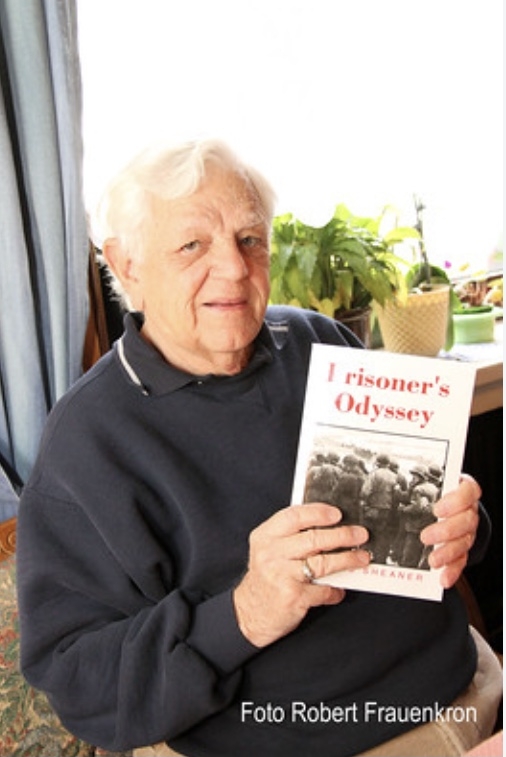
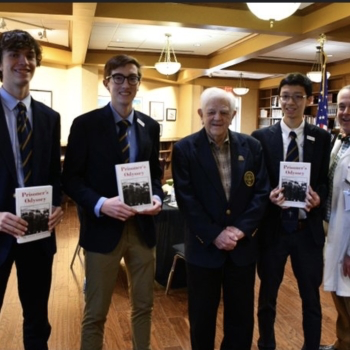
***Note: Towards the war’s end, Mr. Sheaner would find a way to escape from Stalag 4B. Although this aspect of the story was not covered in the article, Mr. Sheaner’s book, A Prisoner’s Odyssey, covers this aspect of the story. I will quote the book below.
“I had no idea what was going on by April of 1945. We had no idea the Russians and Americans were closing in on Germany… but we knew the war was winding to a close. There was artillery occurring closer and closer to the camp. Eventually, we were marched to a separate prison camp, where a German army officer commented that ‘It will all be over soon boys’.
When we sat down on the road, our guards, two young German boys, looked defeated already. I heard engines down the road… it felt like the last day of school. We looked down the road, and multiple jeeps of American soldiers came down the road. They looked fresh, healthy, and giant. It was like coming back into this world from the dead. This feeling surpassed all feelings that I had ever known.
We raised our hands to get their attention, but the jeeps passed by without stopping! But the last jeep turned around and came back. The driver stopped and commented, ‘See Captain, I told you they were Americans!’ The ride back was hard, my bony body was being bounced around like a ping-pong ball in a washing machine.
I looked to Frank [a friend he had made whilst in the prison camp]. ‘We survived Frank! We’re going back to American forces!’ I sent a message back home to Dallas Texas, saying I was free and in American hands and I was all right.”
What was coming back home like?
It was summertime when I got back to Dallas. My mother, who received word that I was alive, put up the Christmas tree, so at home, we came out, took a picture of it, me and my mom, and the fully decorated Christmas tree, she was going to give me those presents that I missed being a prisoner of war.
The war was over by that time. I was back home, and I was now back in Dallas. Remember, I had some experience in football and I even did a little track and field whilst in the University of Alabama. I was really good at the 50-yard dash – nobody could beat me at that.
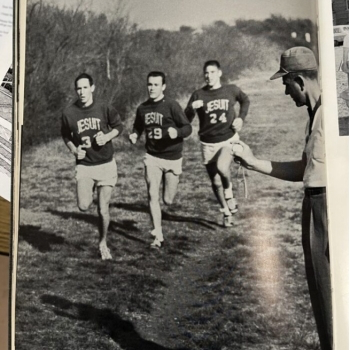
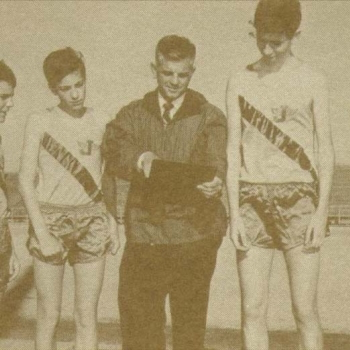
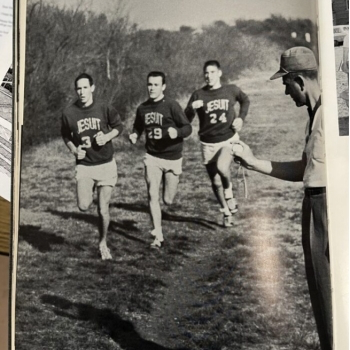
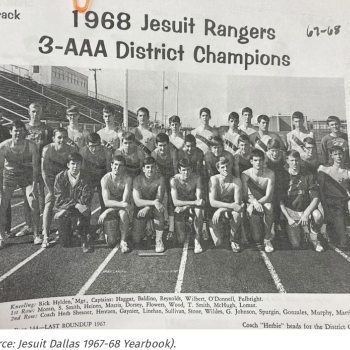
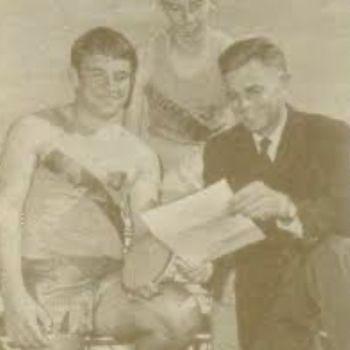
And then when I came up back to Dallas, Mike Smith, was the football coach at Jesuit Dallas and he was a standout defensive back for the Notre Dame football team. Well, he must have heard about me. He talked me into joining the Jesuit Dallas track team coaching staff. He said, would you mind coming out and taking over my track team?
Oh my God, I’ve got a passion for that. He didn’t know it, but I did. I stayed here for 21 years. I did! And I loved it. That new part of my life was a passion for me.
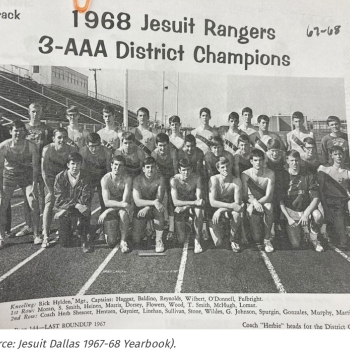
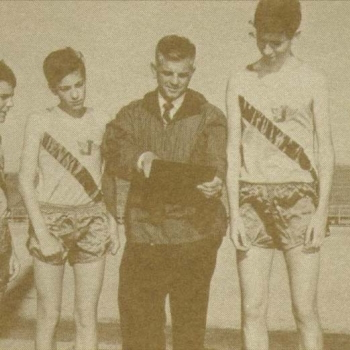
My team turned out well, throughout the years we got kids into the discus throwing state championships, hurdles, and sprinters too.
The team turned out pretty well. We set the discus record in 10 meets in a row, all in the name of Jesuit!
But it seemed like every three or four years I’d have a boy who was another state-qualifying champion! It was the best mile or the best sprinter in Texas, or the best hurdler in the regionals who went down to Houston to compete in the local tournaments.
The experience of coaching, and helping these kids with their track and field careers, that’s a whole different life from being in the army.
How do you feel your previous experiences in the army impacted your coaching?
Well, I always felt like in the army I got an aspect of leadership, leadership that was initially started in High School. You know, I graduated a major and I had a whole company commander and I was a no-nonsense type of guy. Even though I was five foot four! My saber dragged on the ground, I’m guessing, but I still knew how to put someone to sleep with it. And in High School, I got my first experience in track and field.
Later when I became a coach, I carried some of that no-nonsense traits with me. I’d take some of the boys over if they were late getting to a recreational meet, and I’d set them outside on the grassy field before we got in the stadium. And because they were late I told them I just might pack you up and go home. I wasn’t about to do that. But they didn’t know that.
But if they had challenged me, I’d break my heart. I was tough. And they loved me. Jerry Patone was the team captain one year. During the Texas Relays, he was making too much noise in the hotel room, so I got him out of there. He later became a track and field head coach at Oregon State and I made him sleep on the floor right by my bed!
Other coaching staff and I would bring coffee for the boys, I paid for those and brought ’em to help my boys. If you have a true passion for the thing you do, you’ll do anything for the sport.
I really enjoyed the job, but once I got to be 51, I didn’t look as young as they did and I just, I just feel like I wasn’t quite the same. I just didn’t feel as good comfortably and so I retired from coaching, but when I first started coaching here, they thought I was young as they were because I mature so late! And I was a young-looking guy, very young. And although I was 30 when I first came to Jesuit they thought I was much younger.
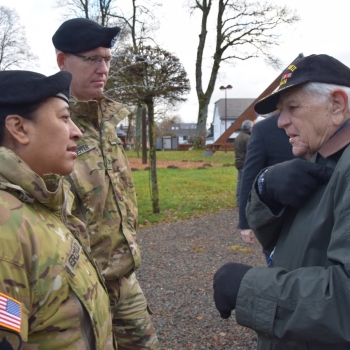
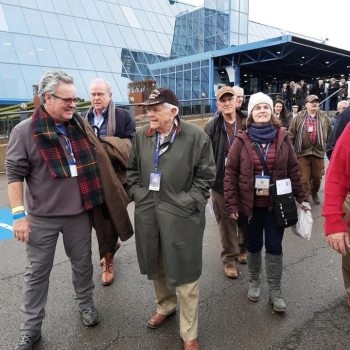
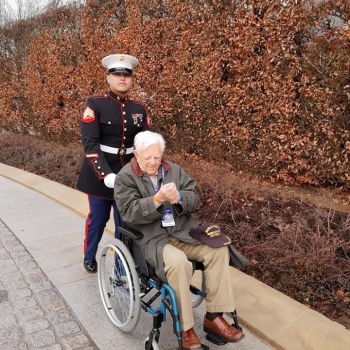
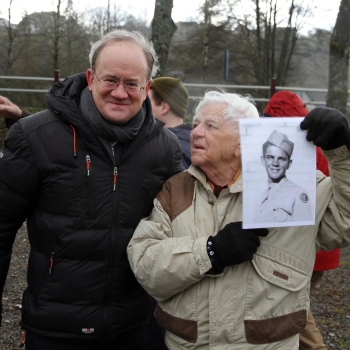
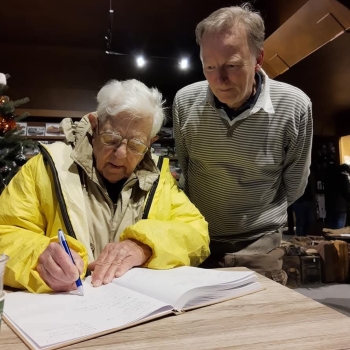
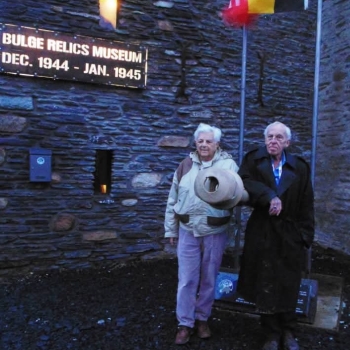
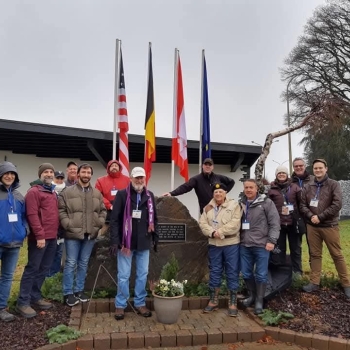
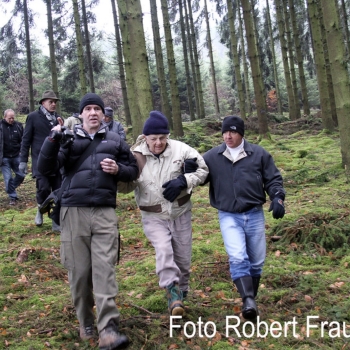
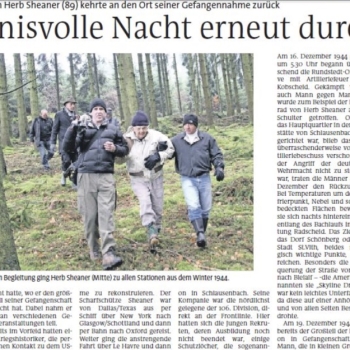
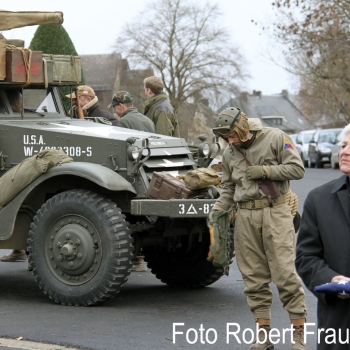
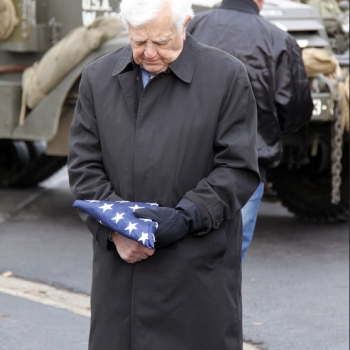
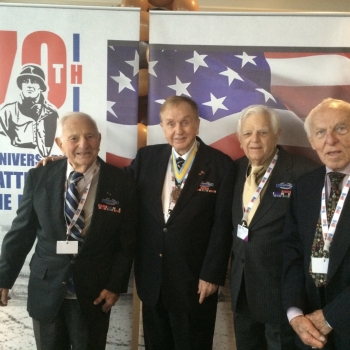
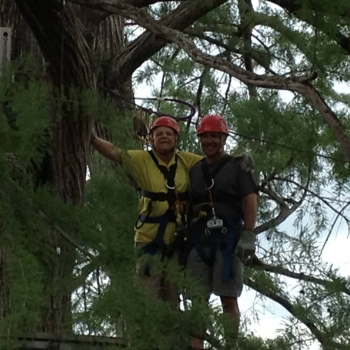
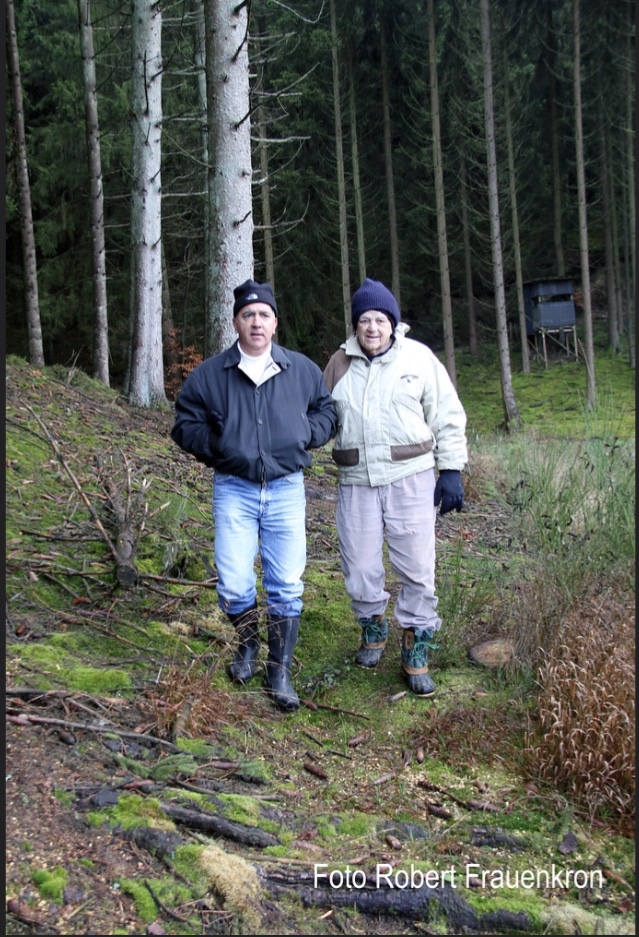
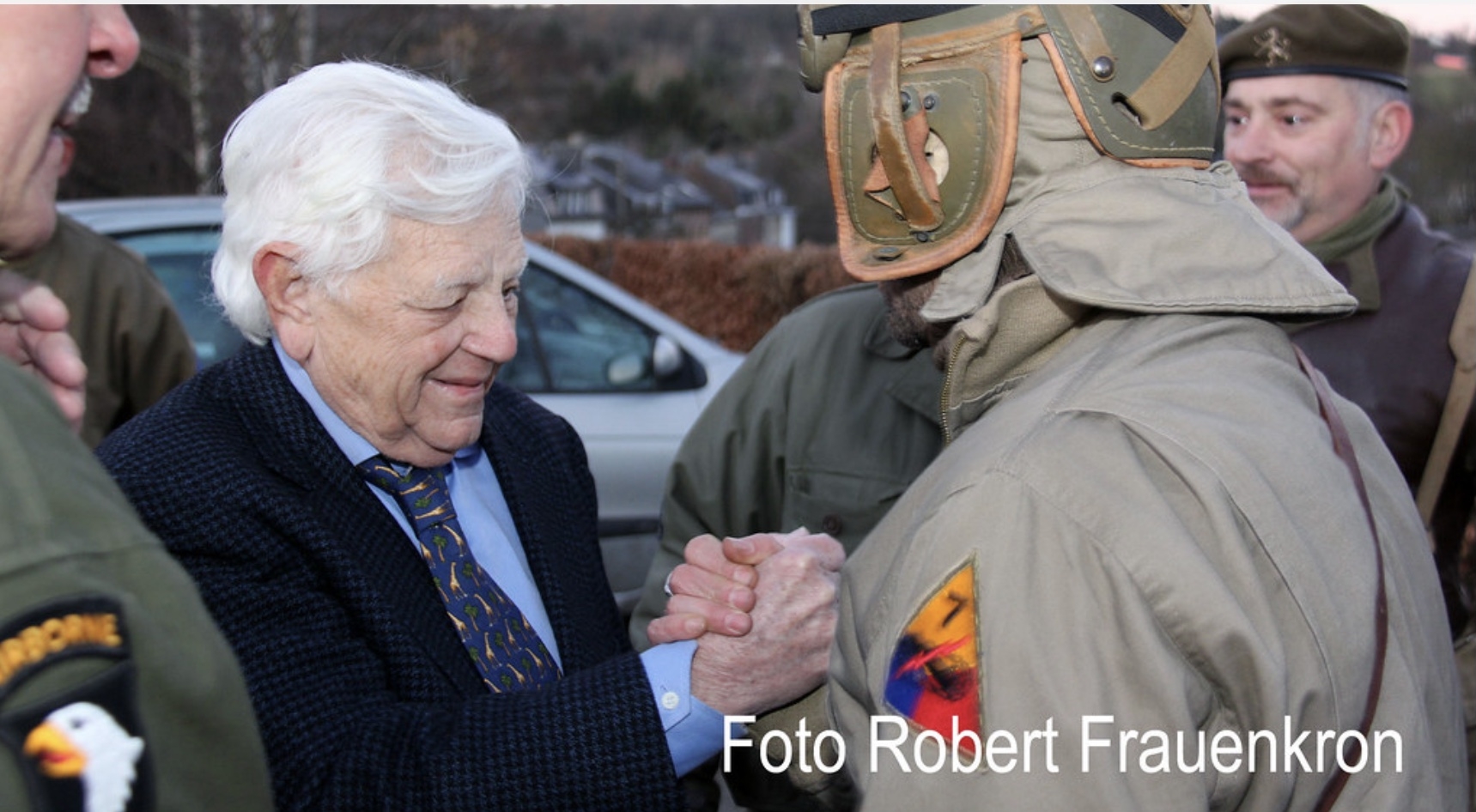
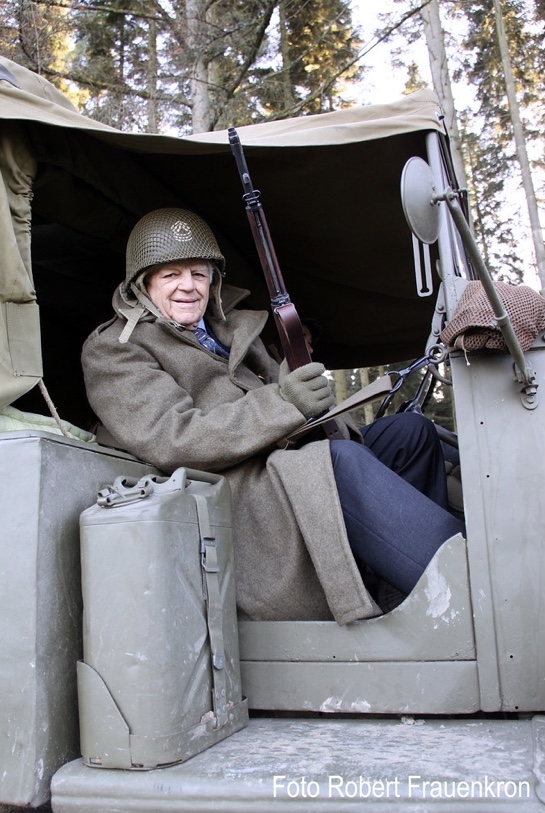
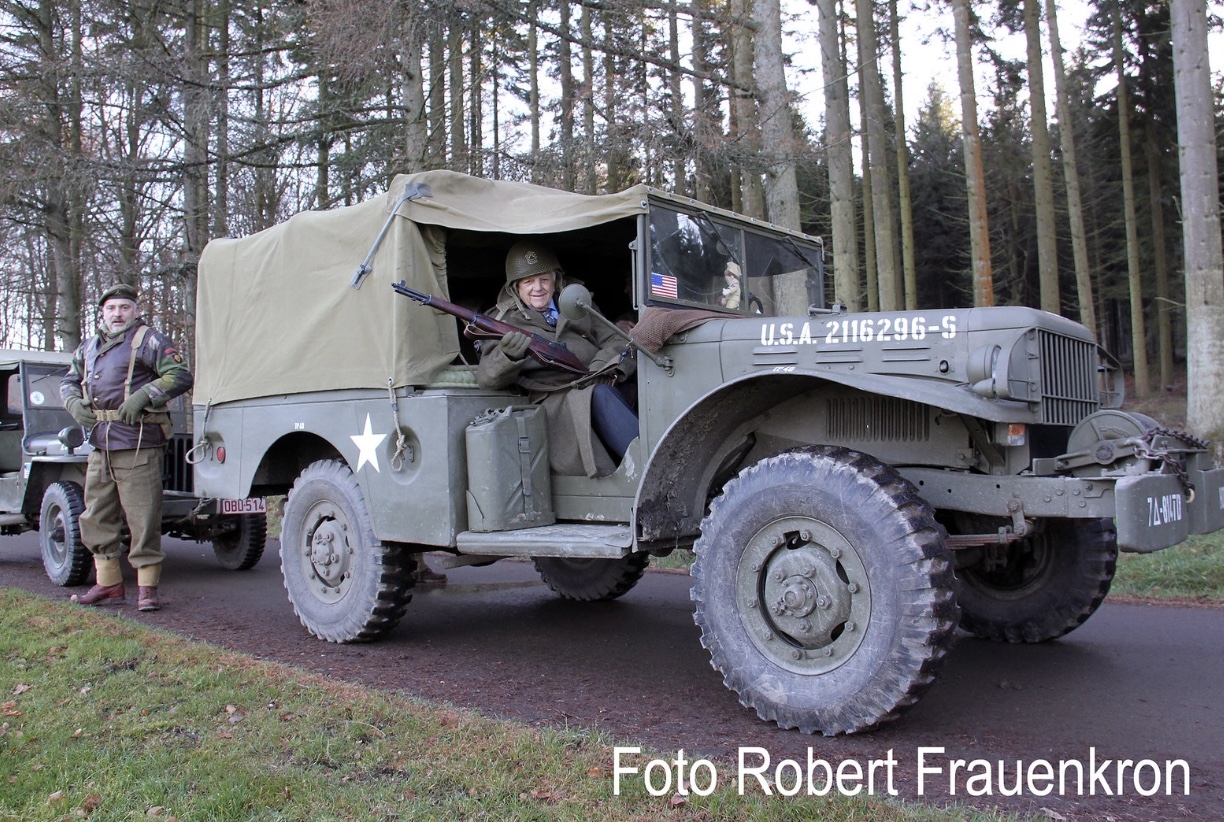
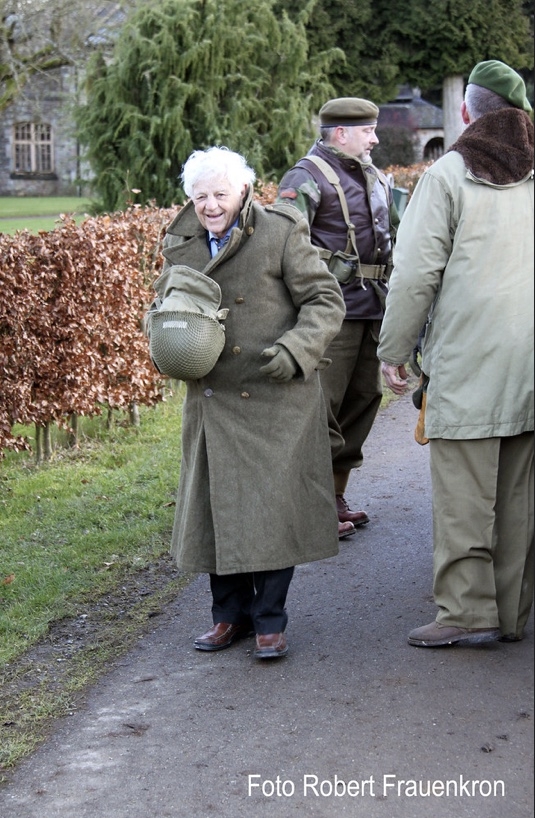
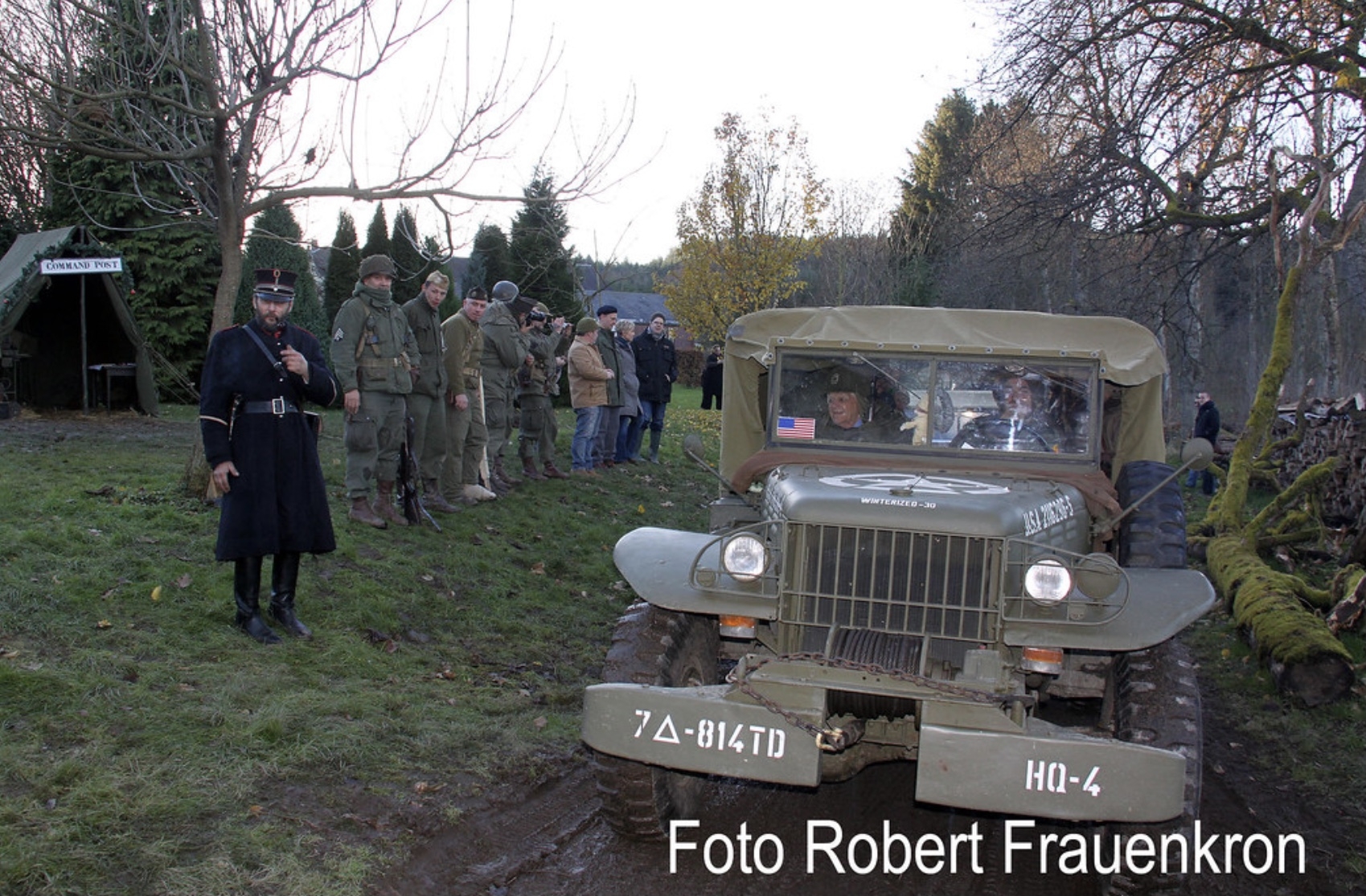
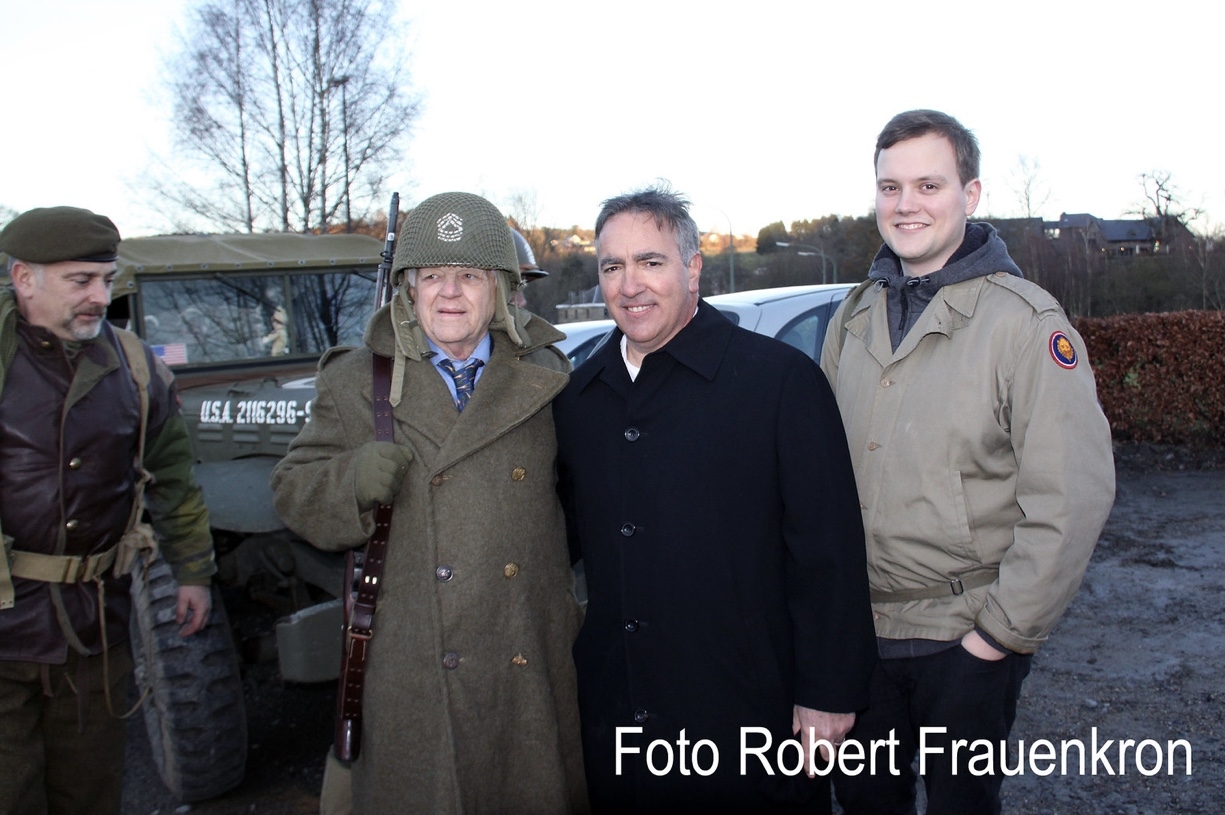
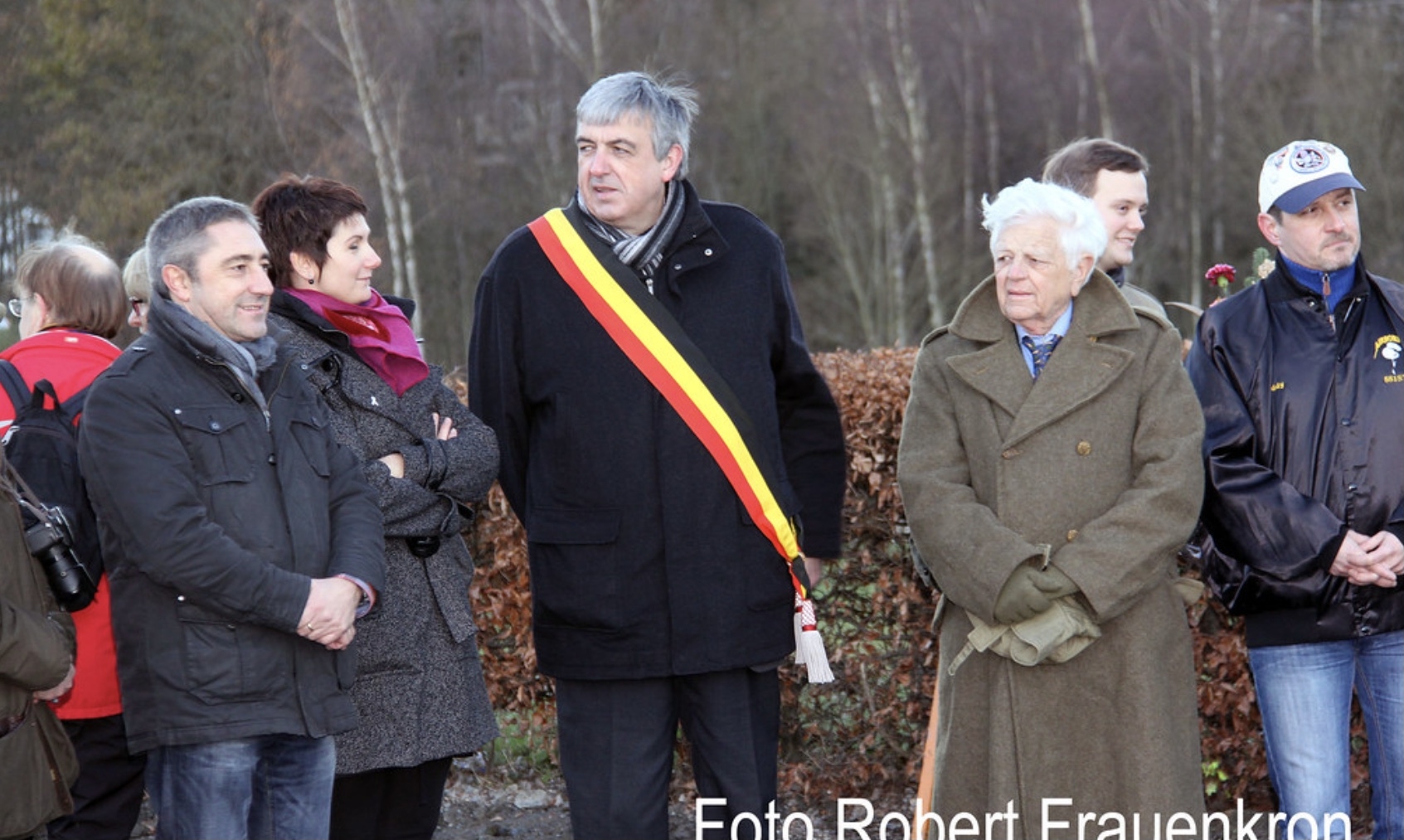
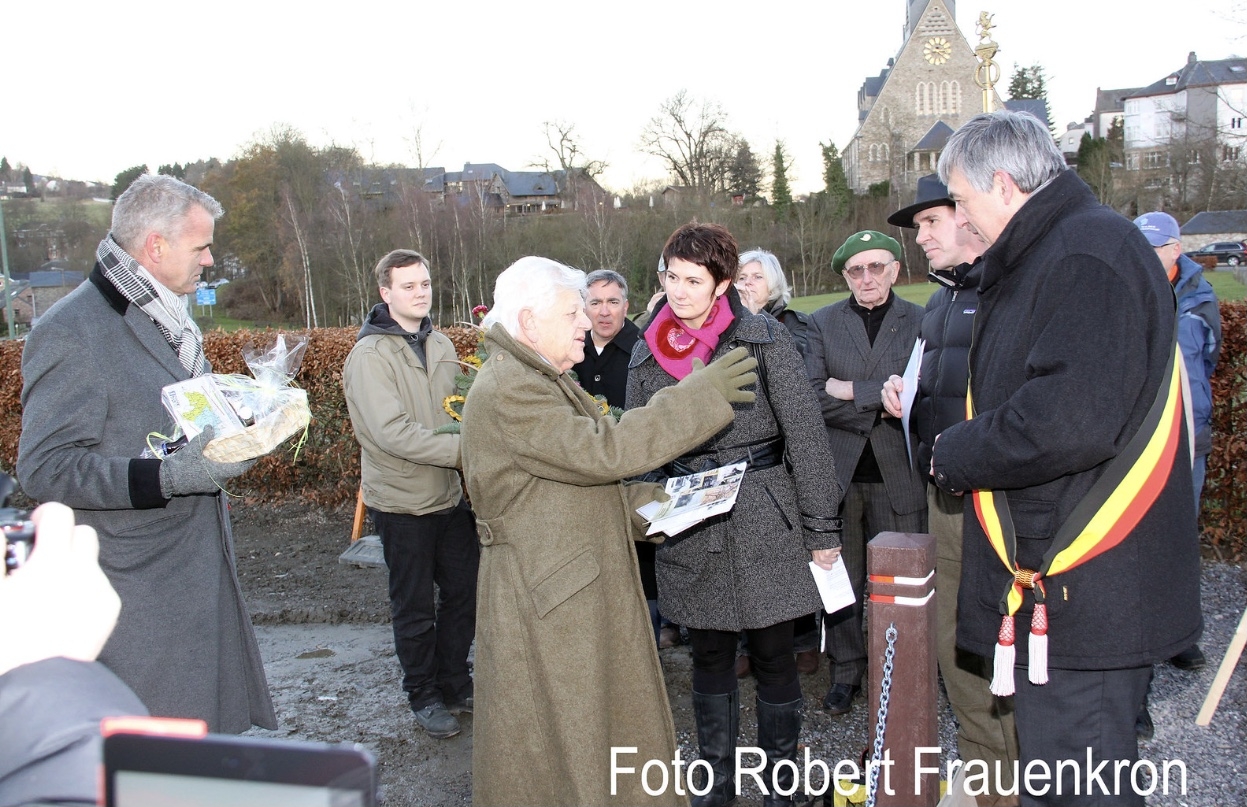
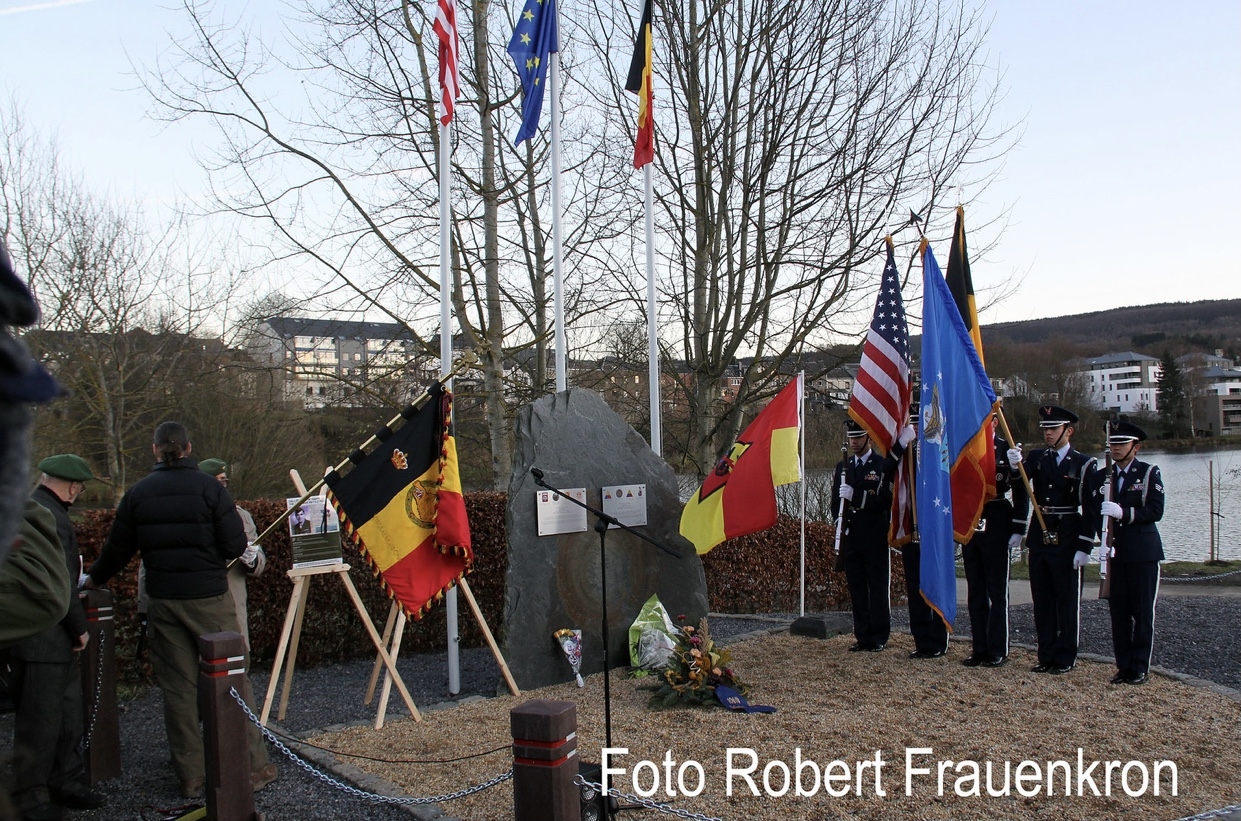
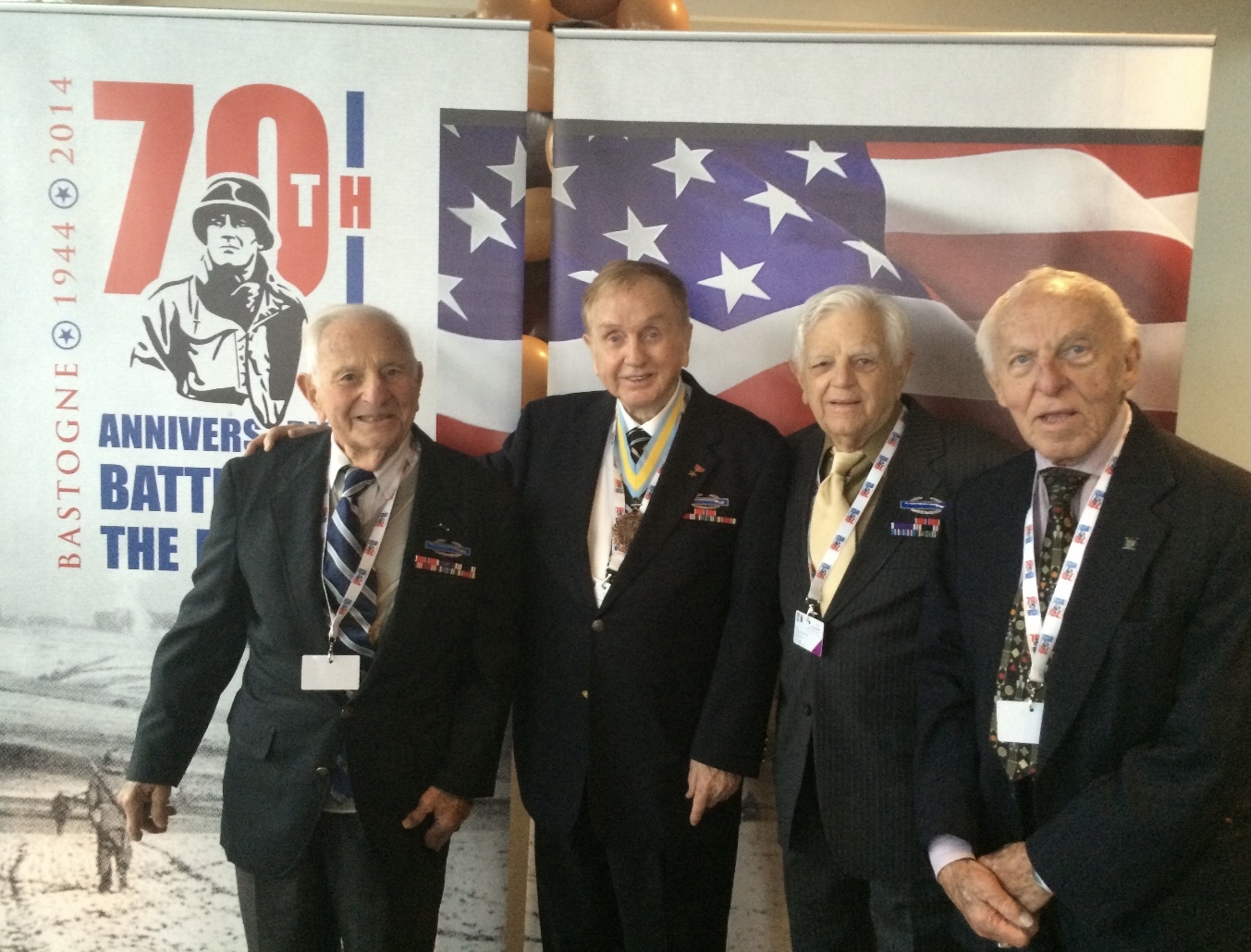
When I got older, I got to participate more in veteran events, such as going to the countries I served in during my time in the Army! I went to Europe when I was in my 90s for a trip.
How long was this trip to Europe?
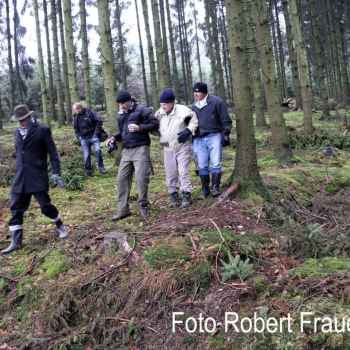
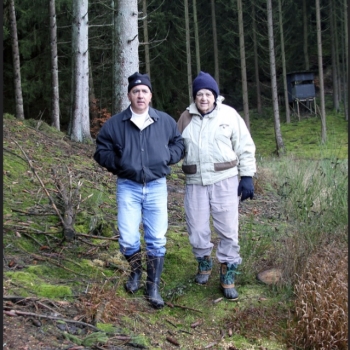
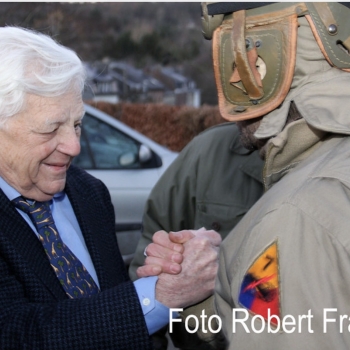
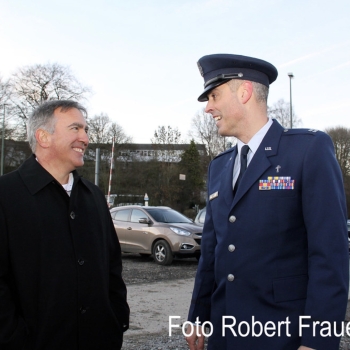
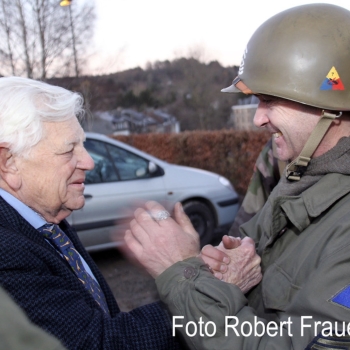
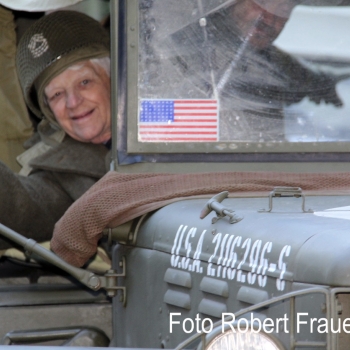
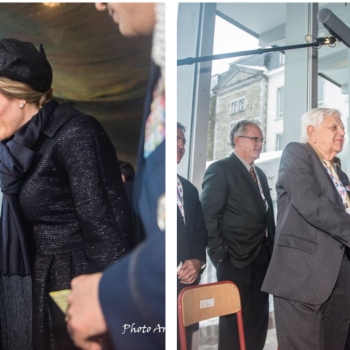
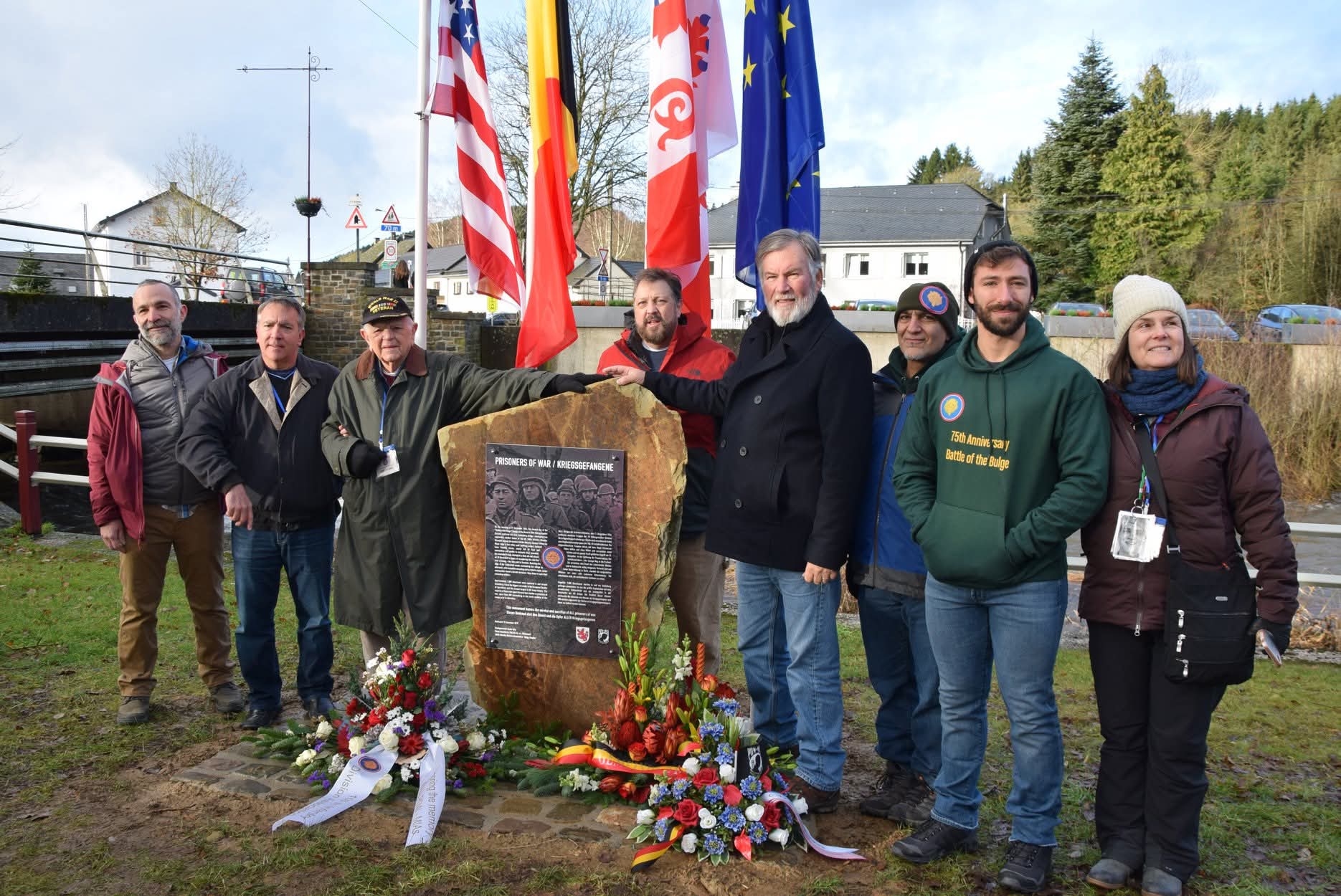
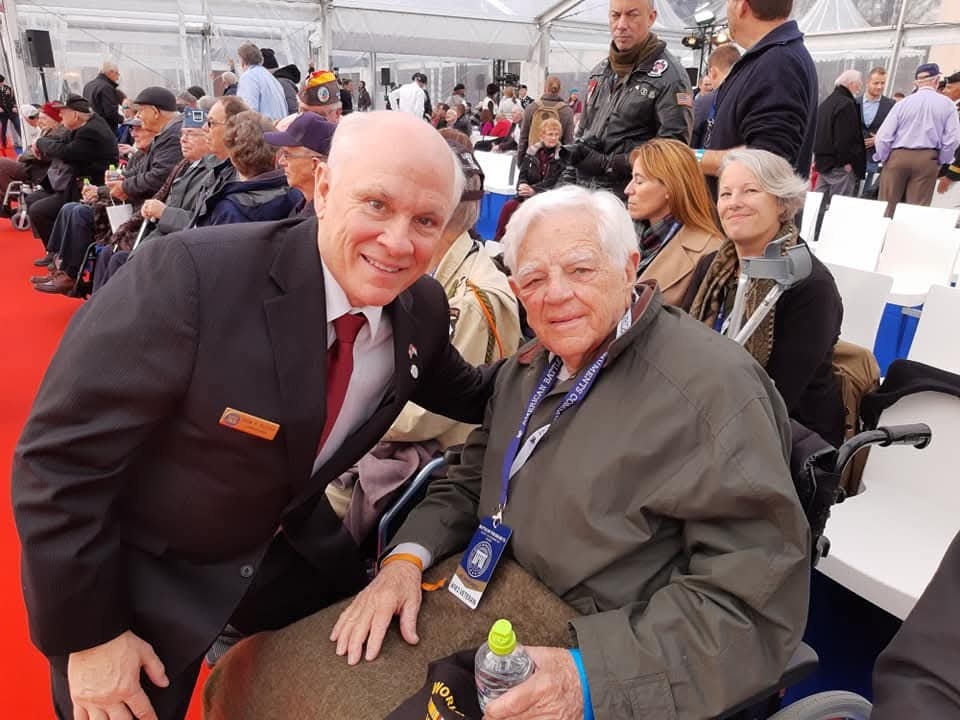
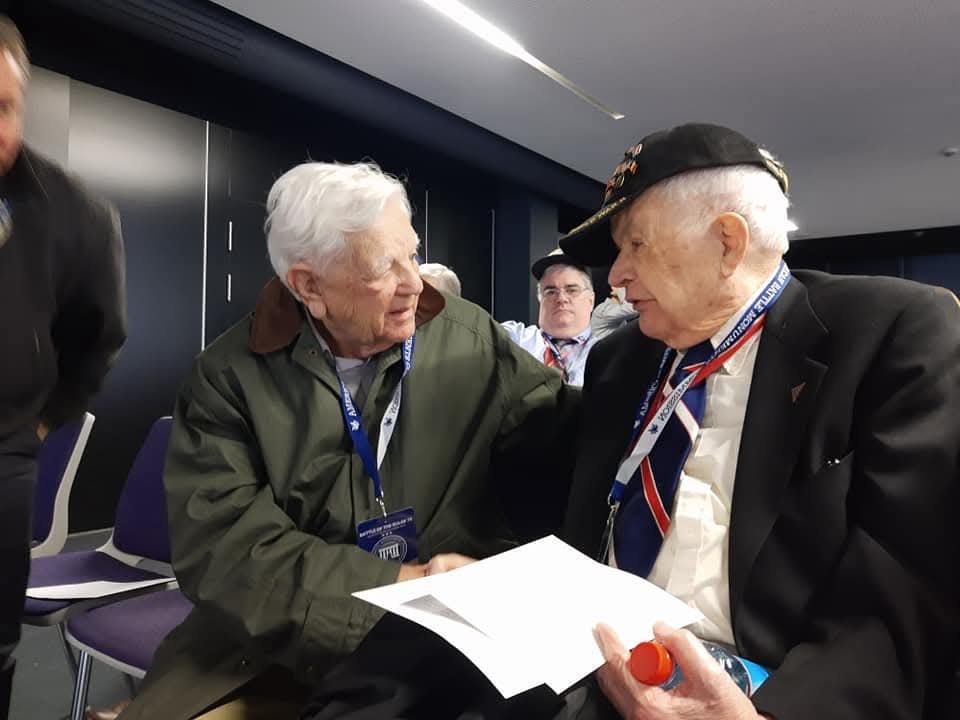
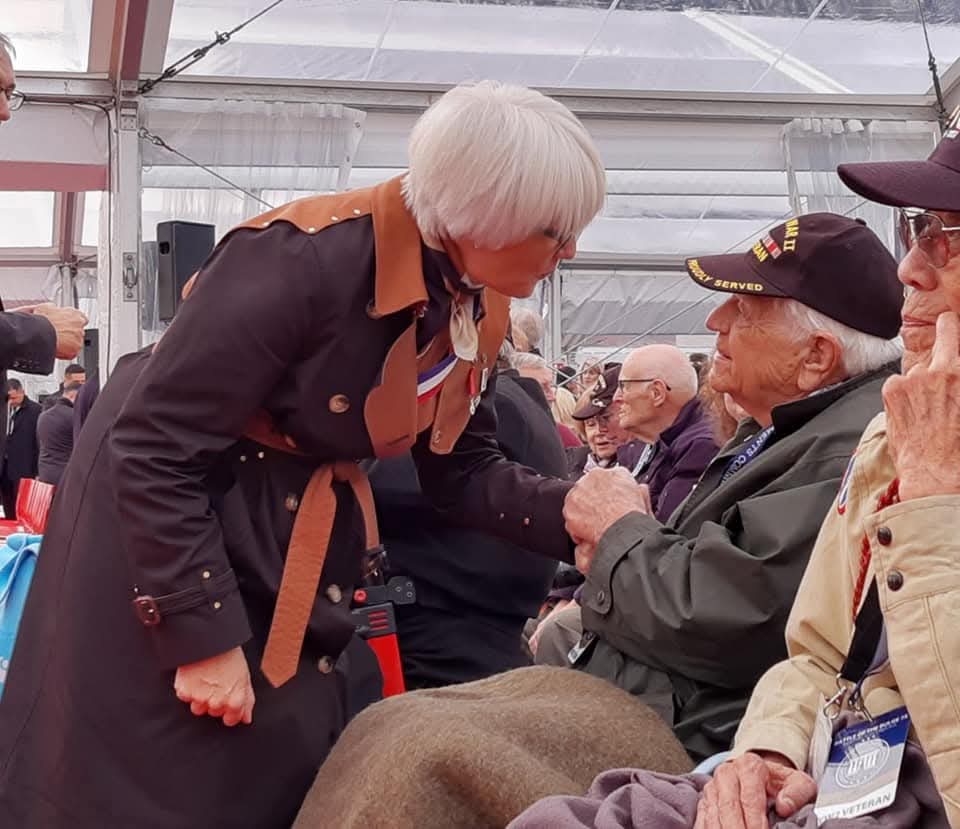
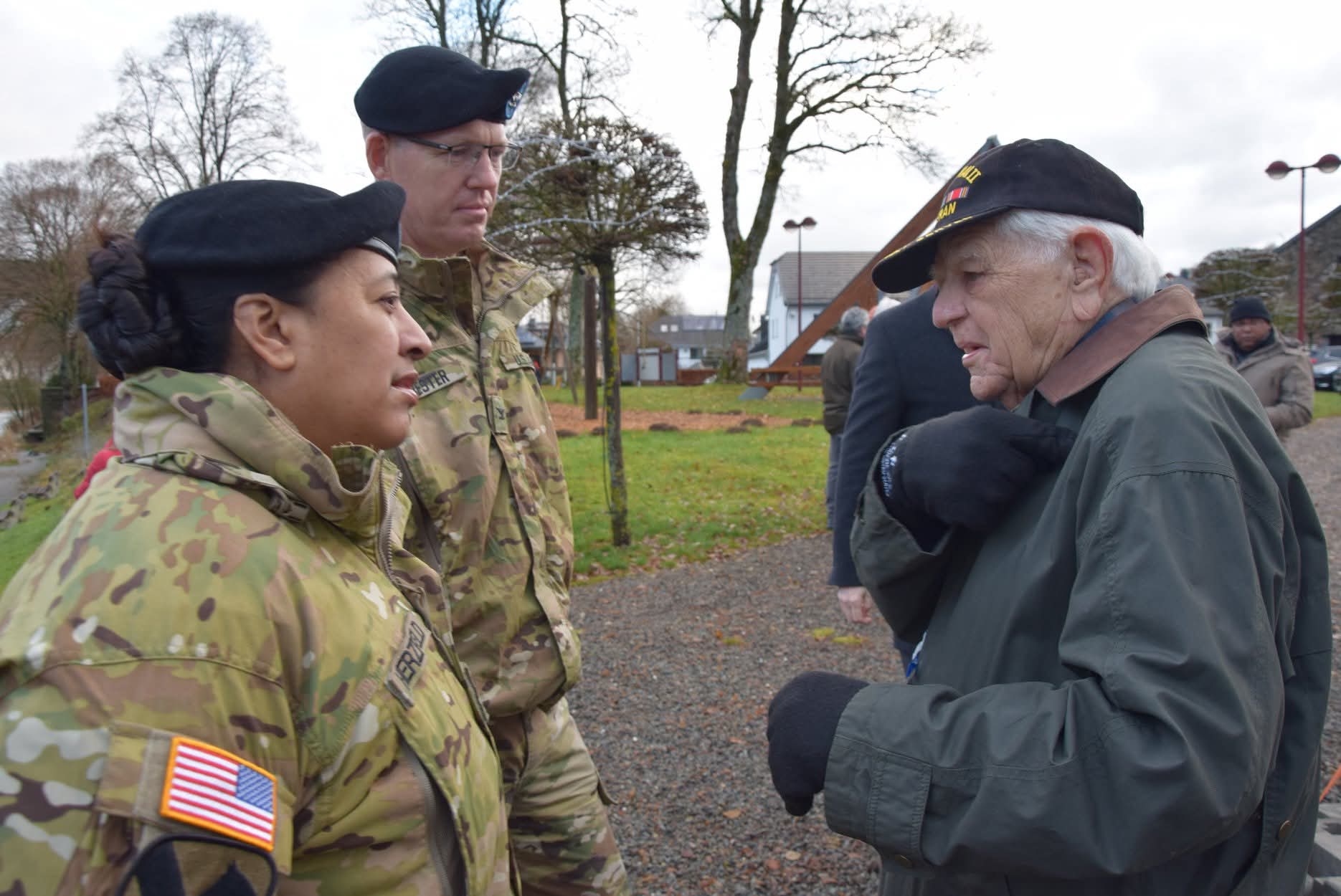
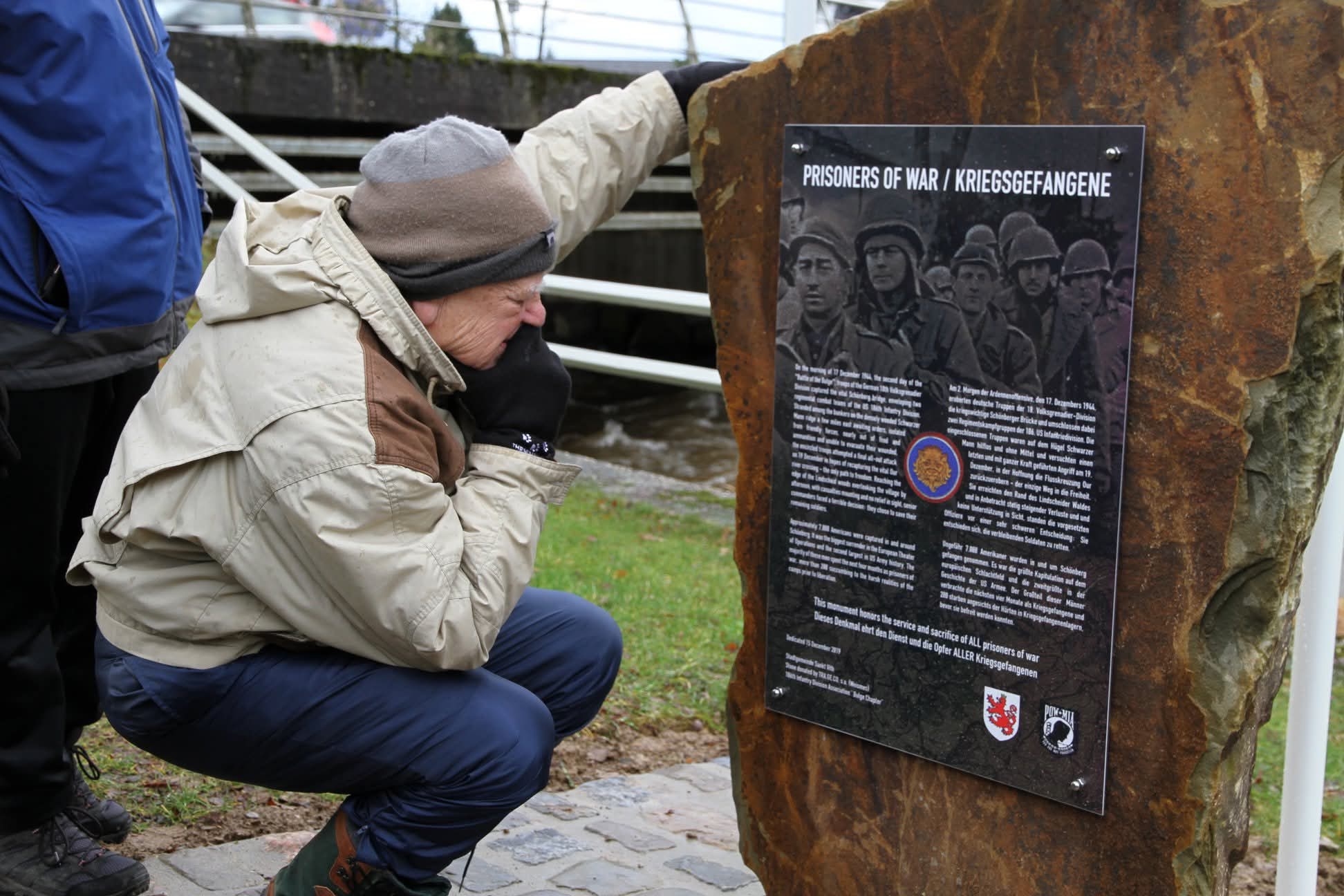
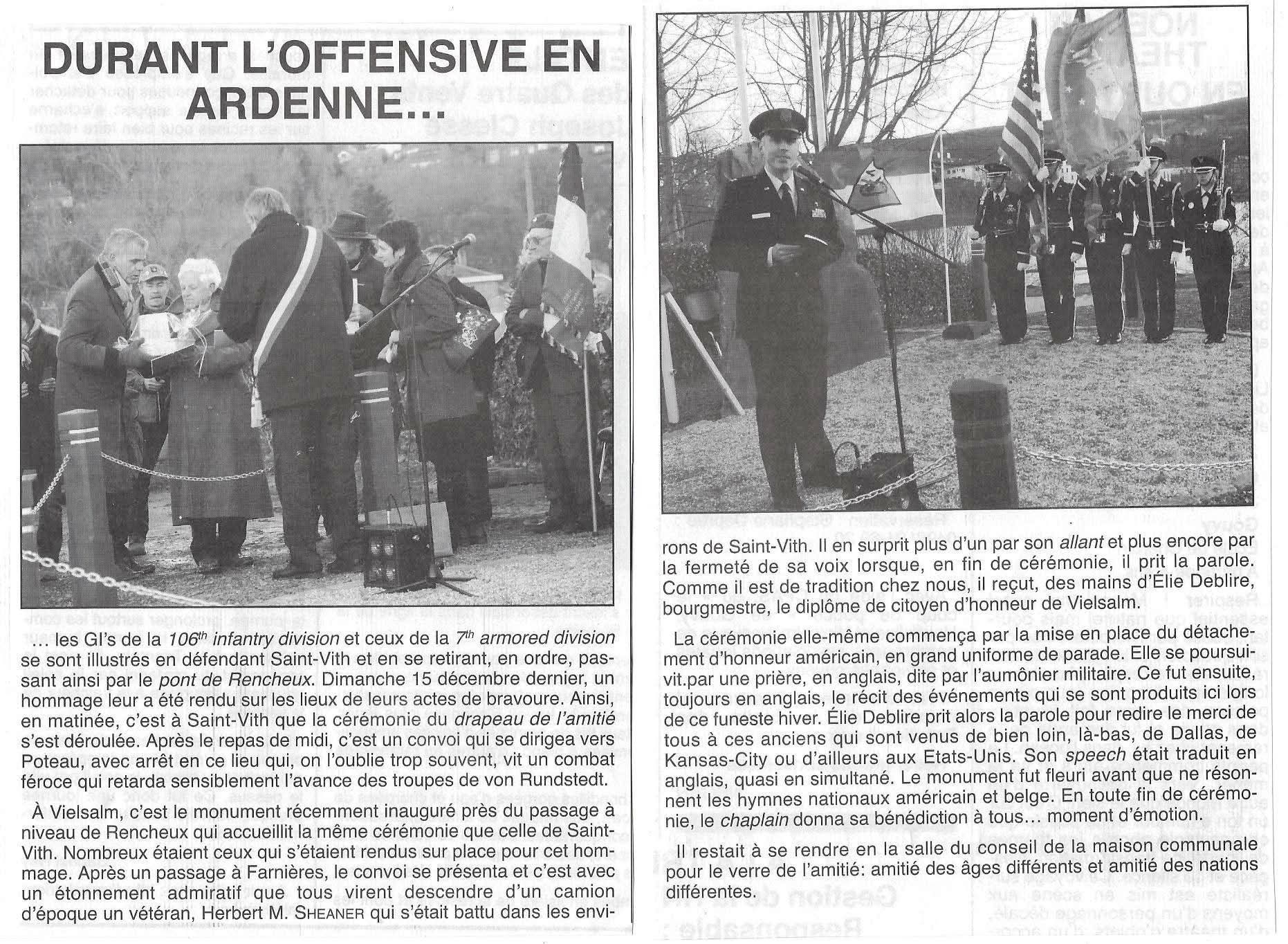
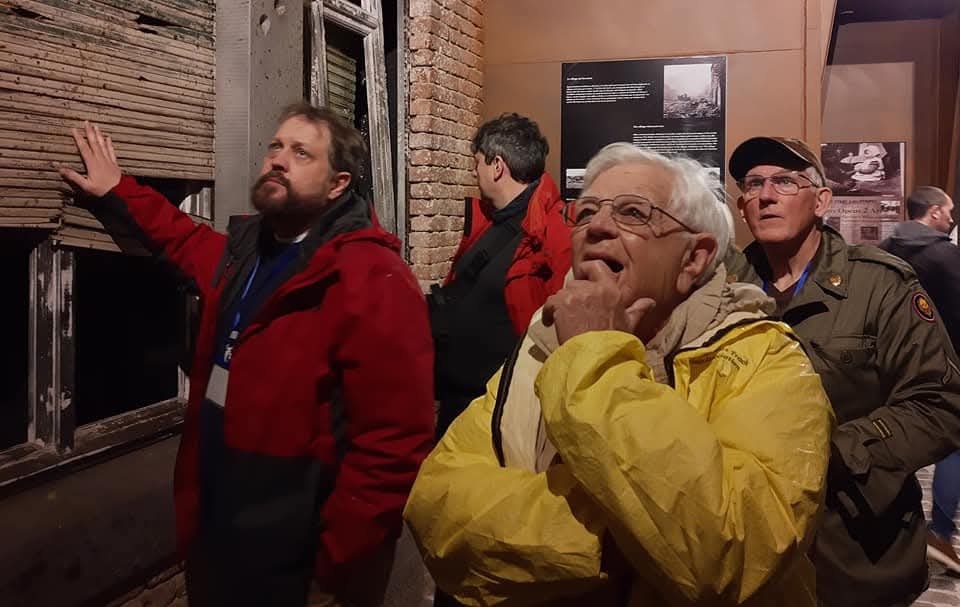
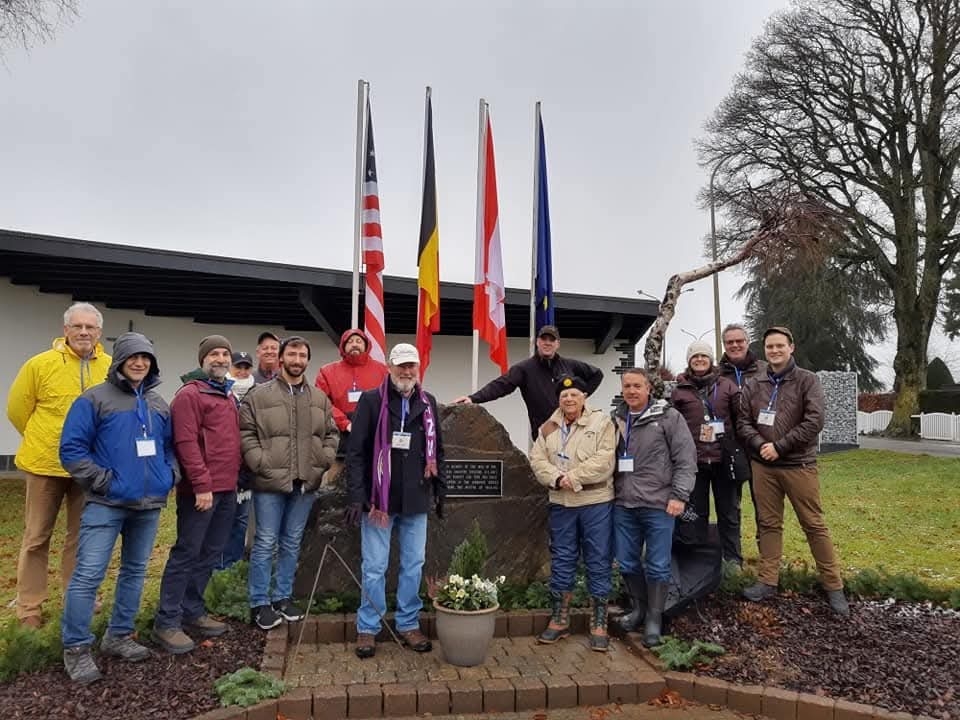
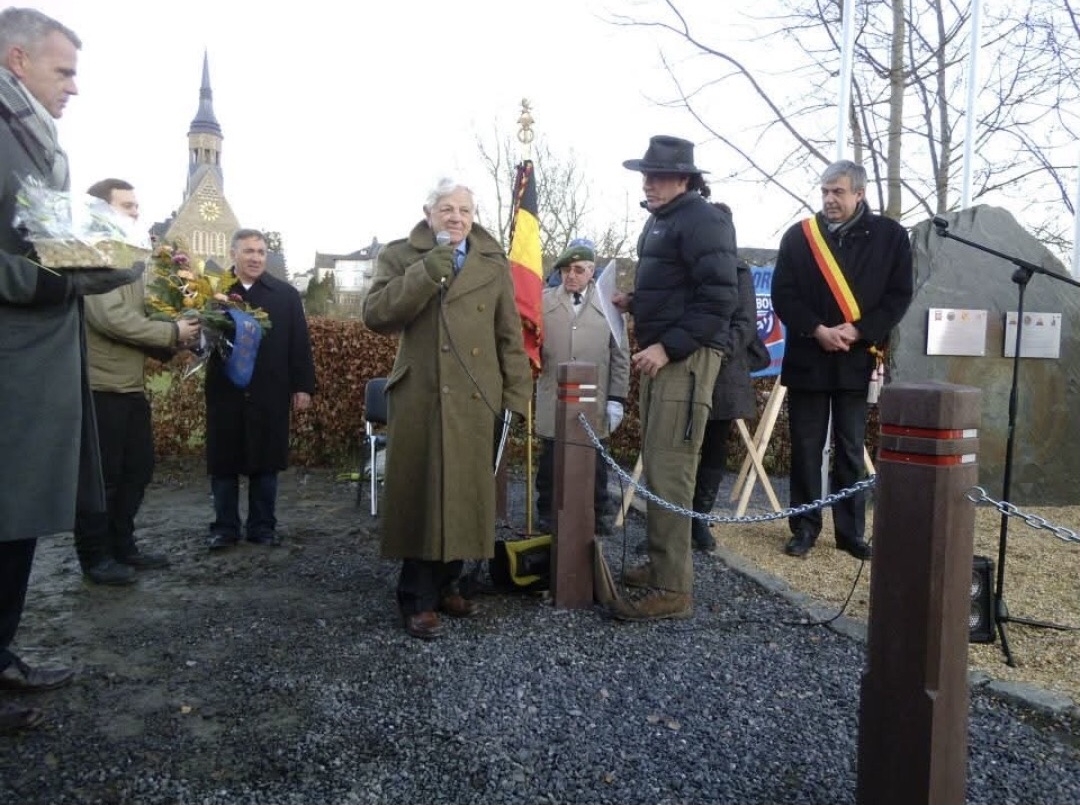
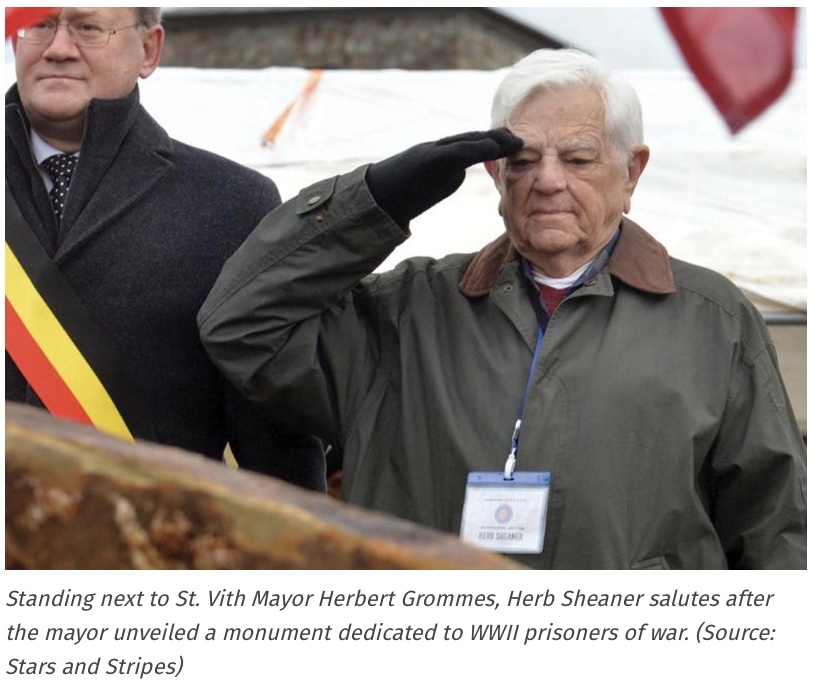
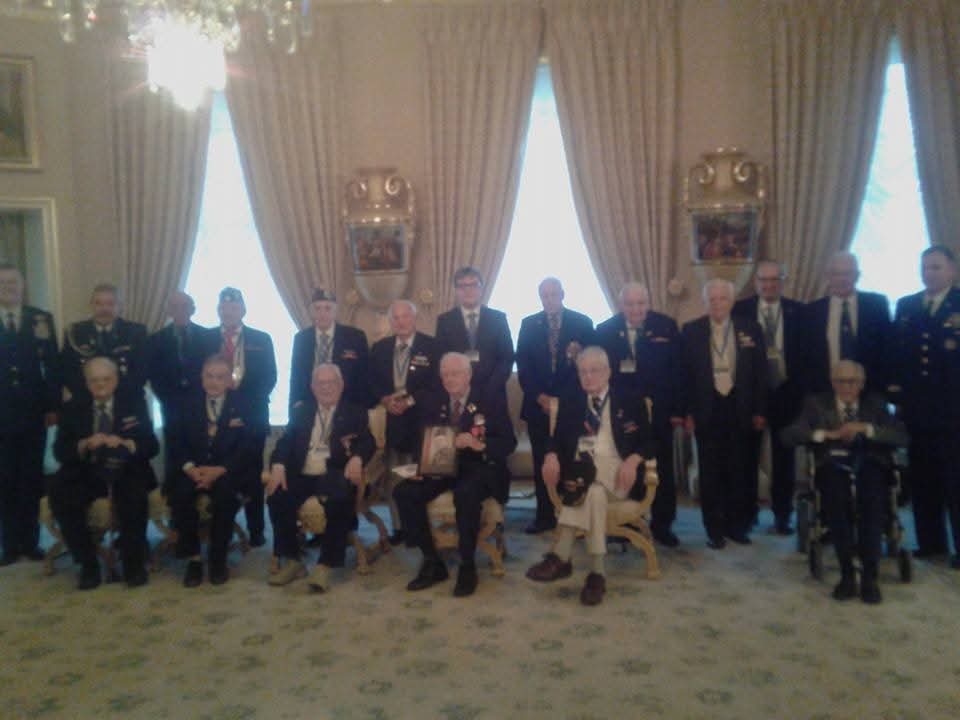
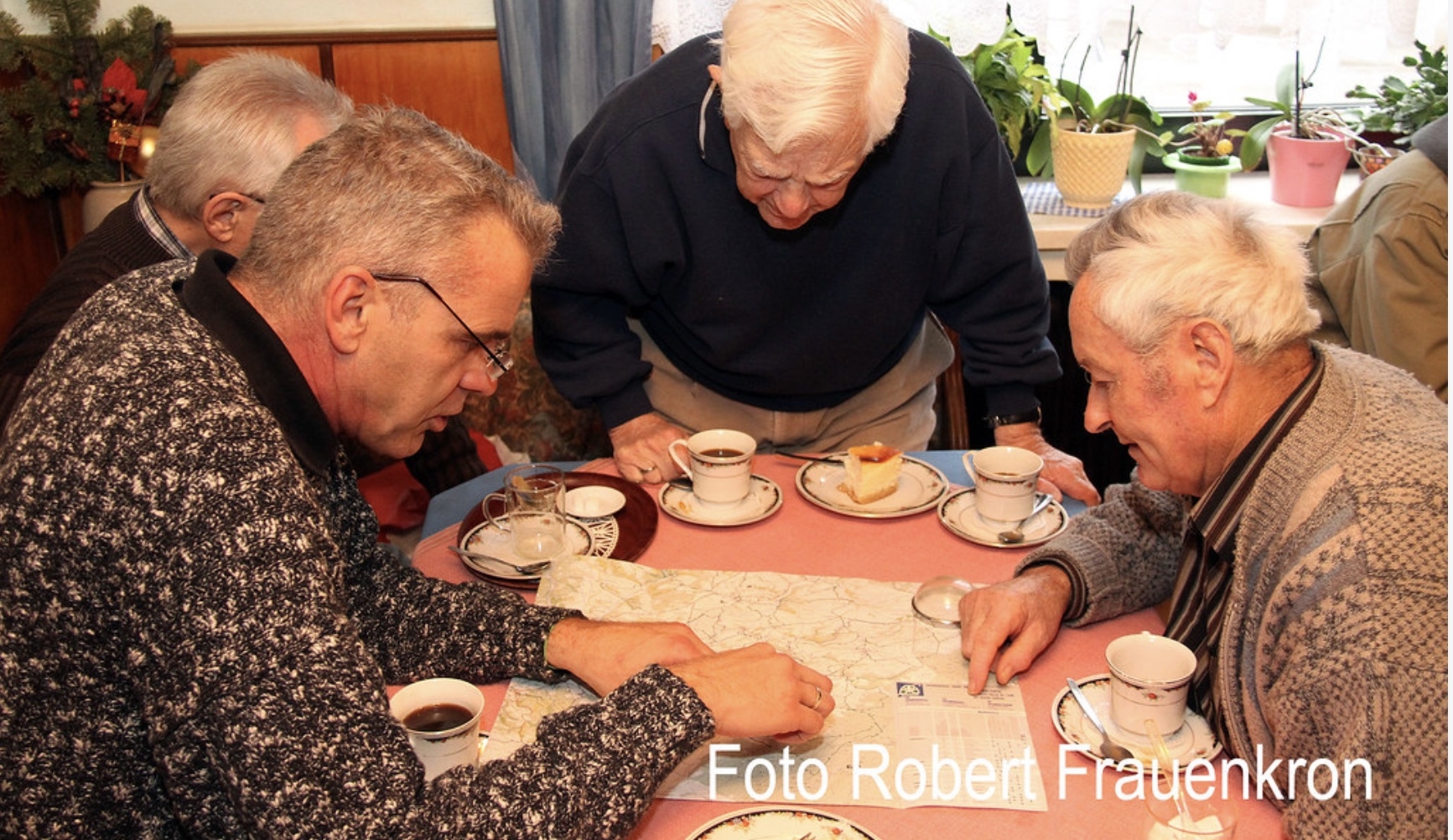
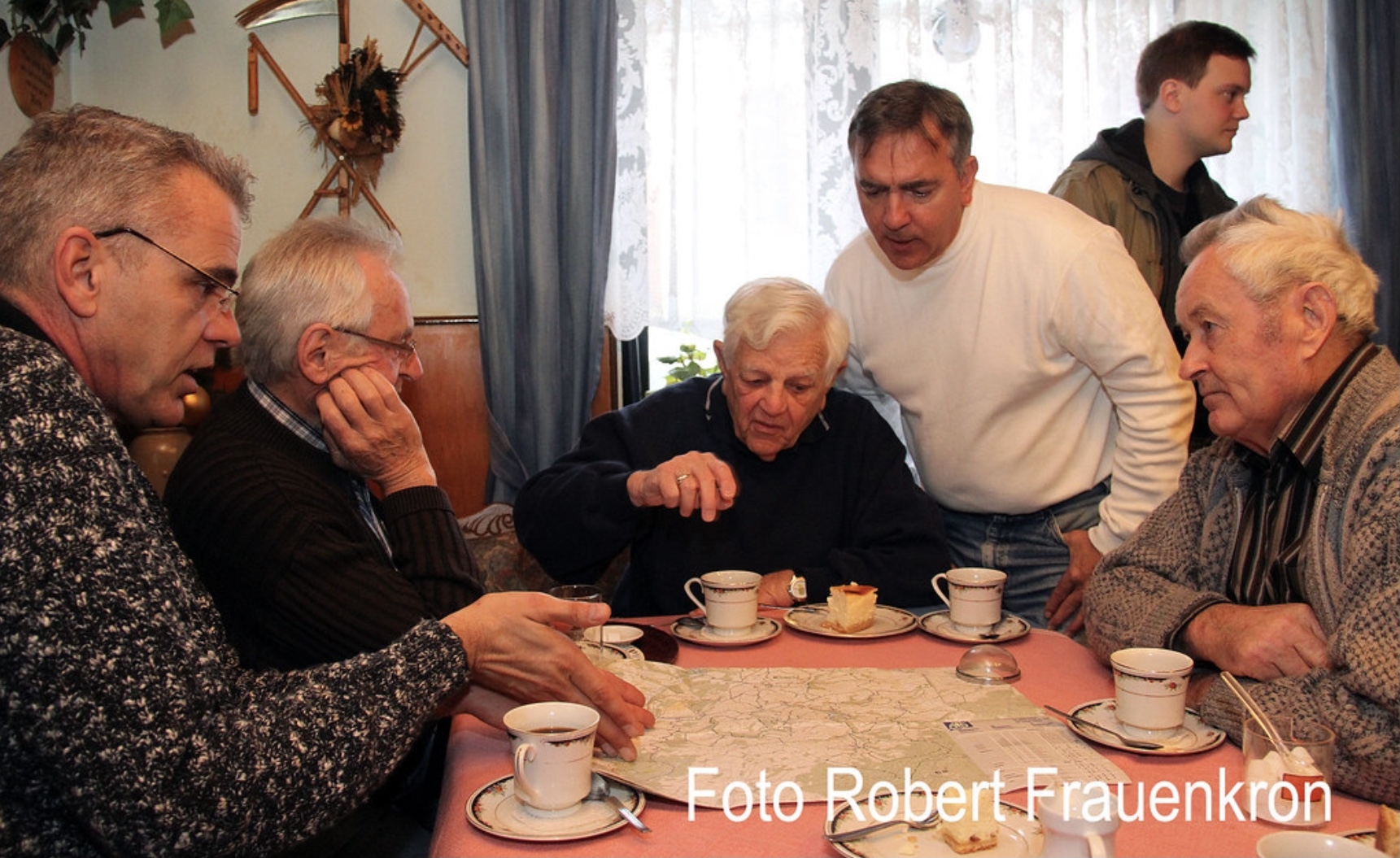
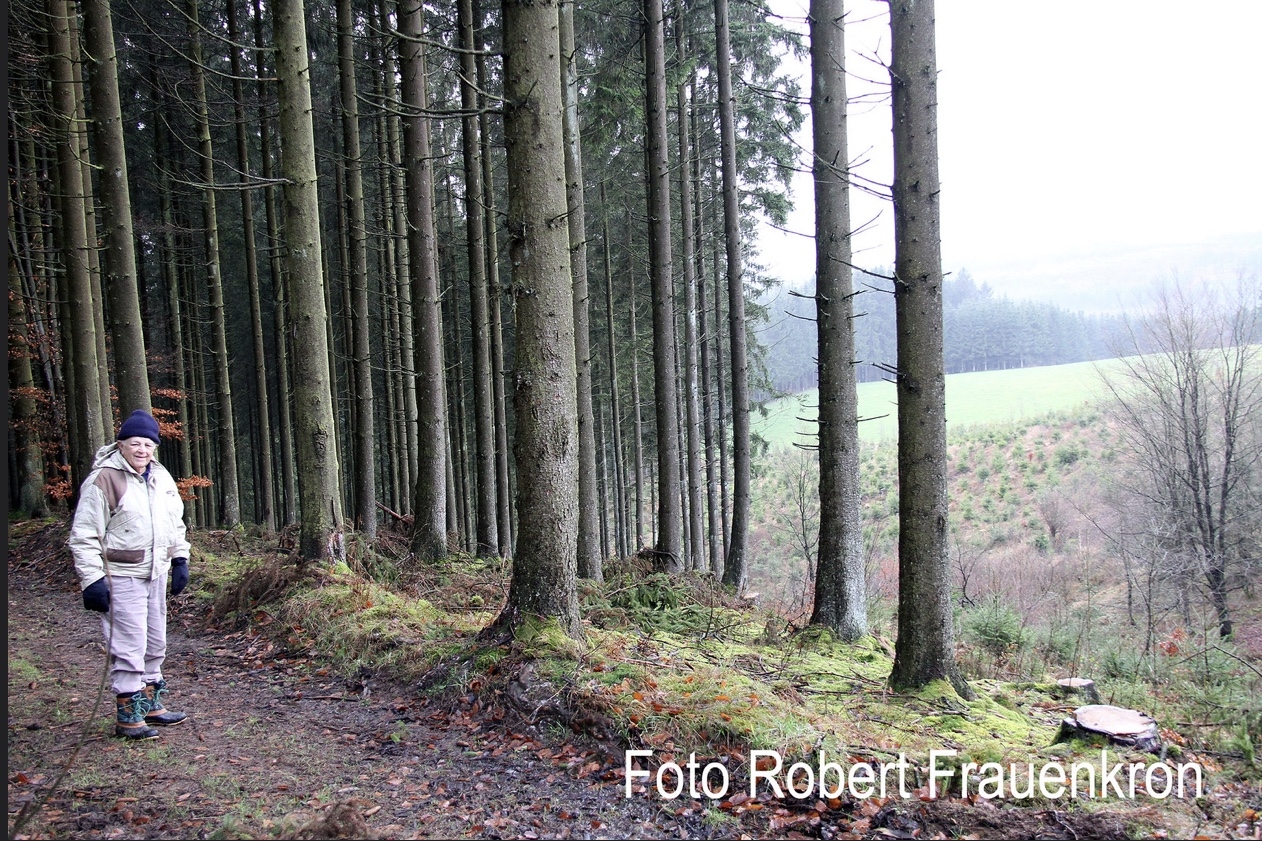
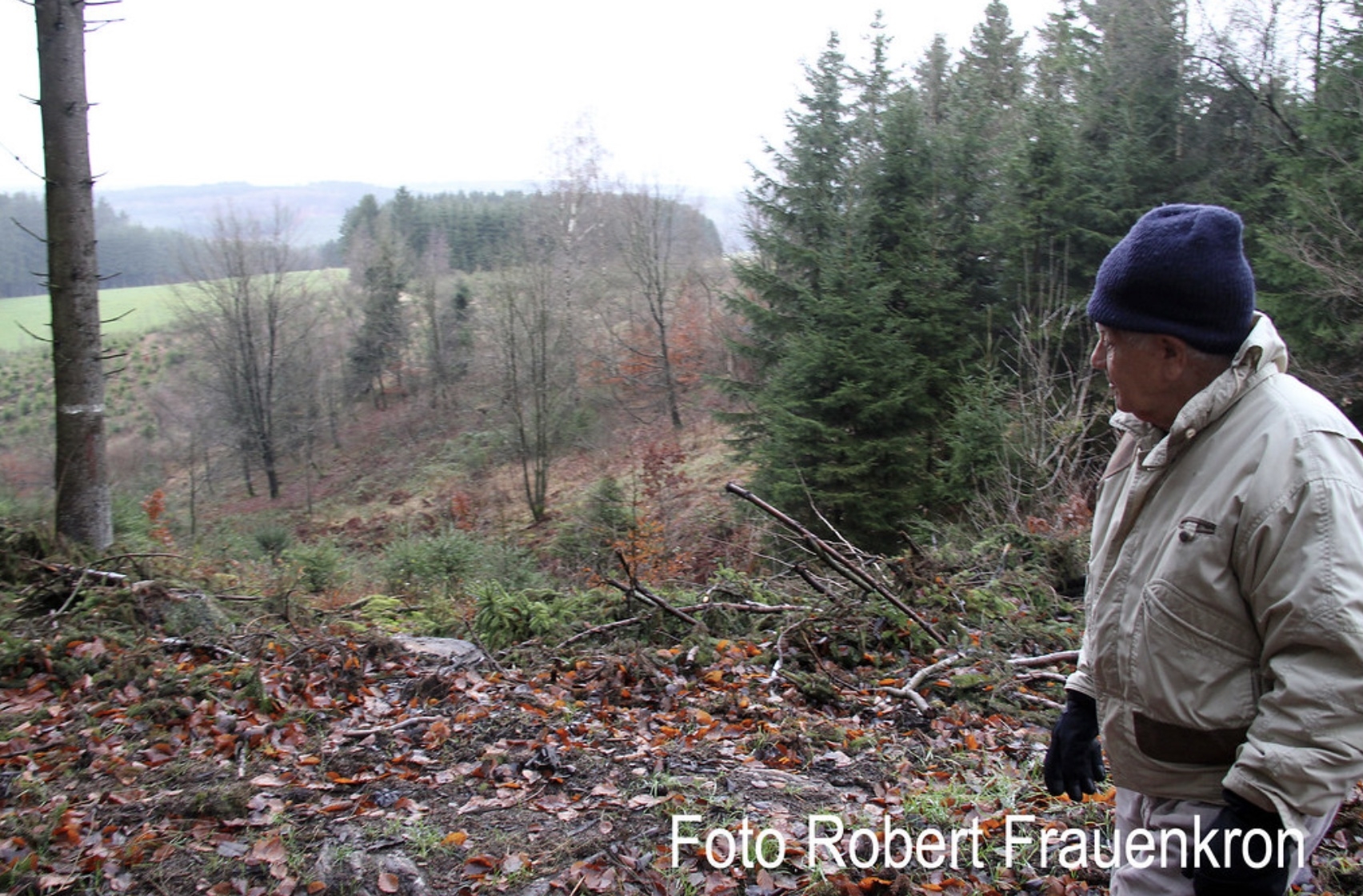
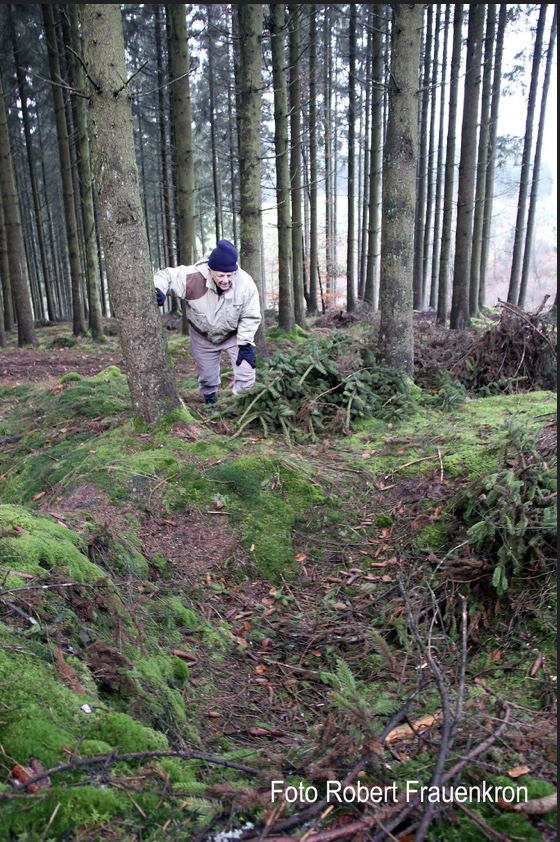
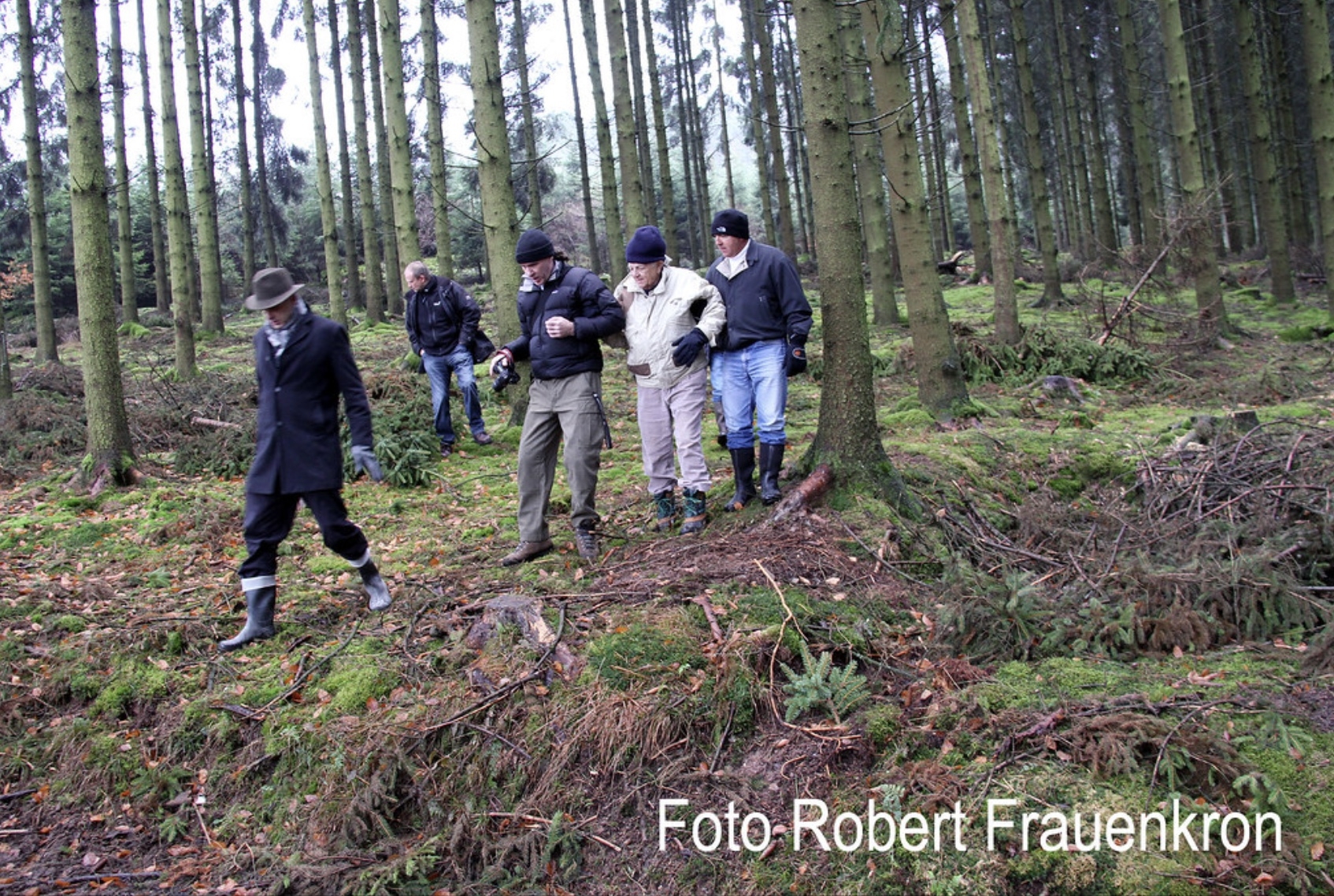
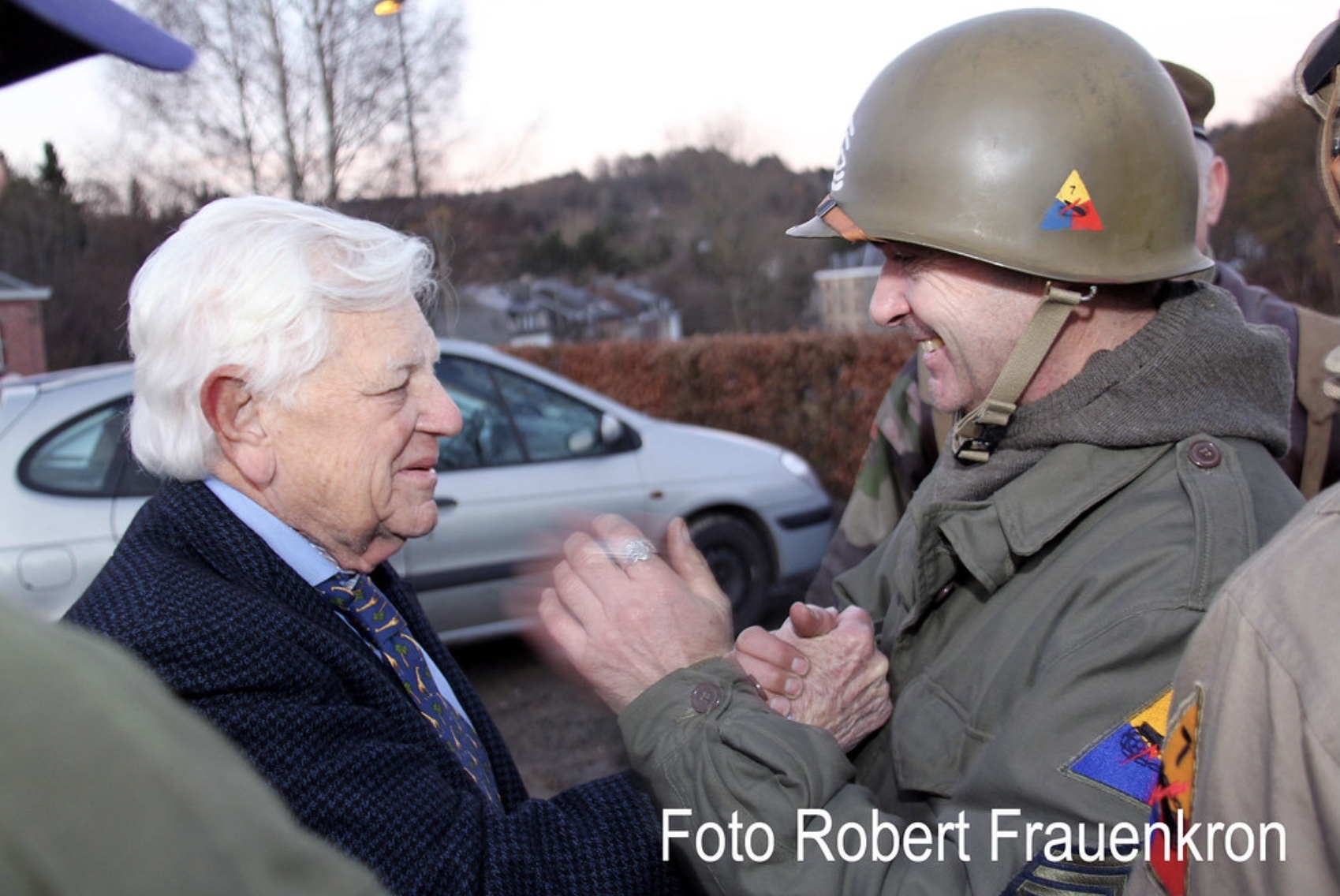
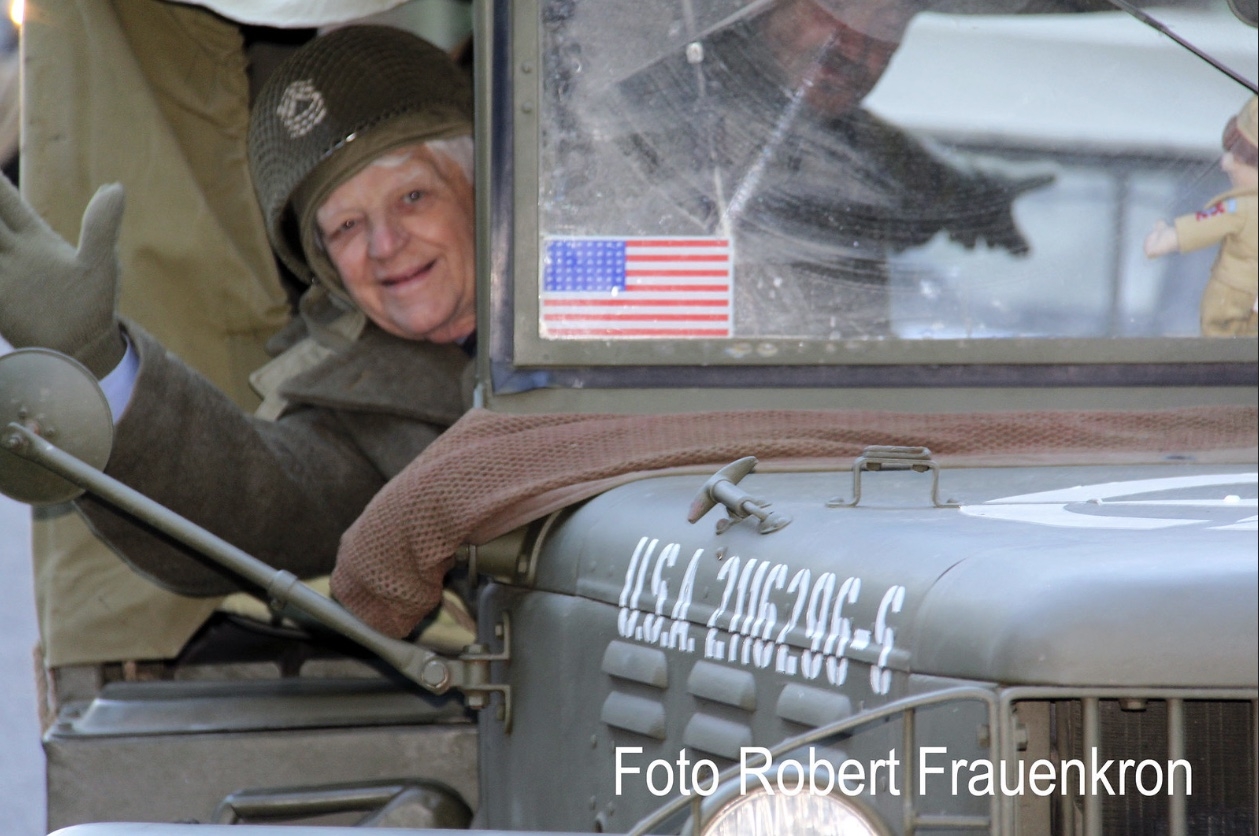
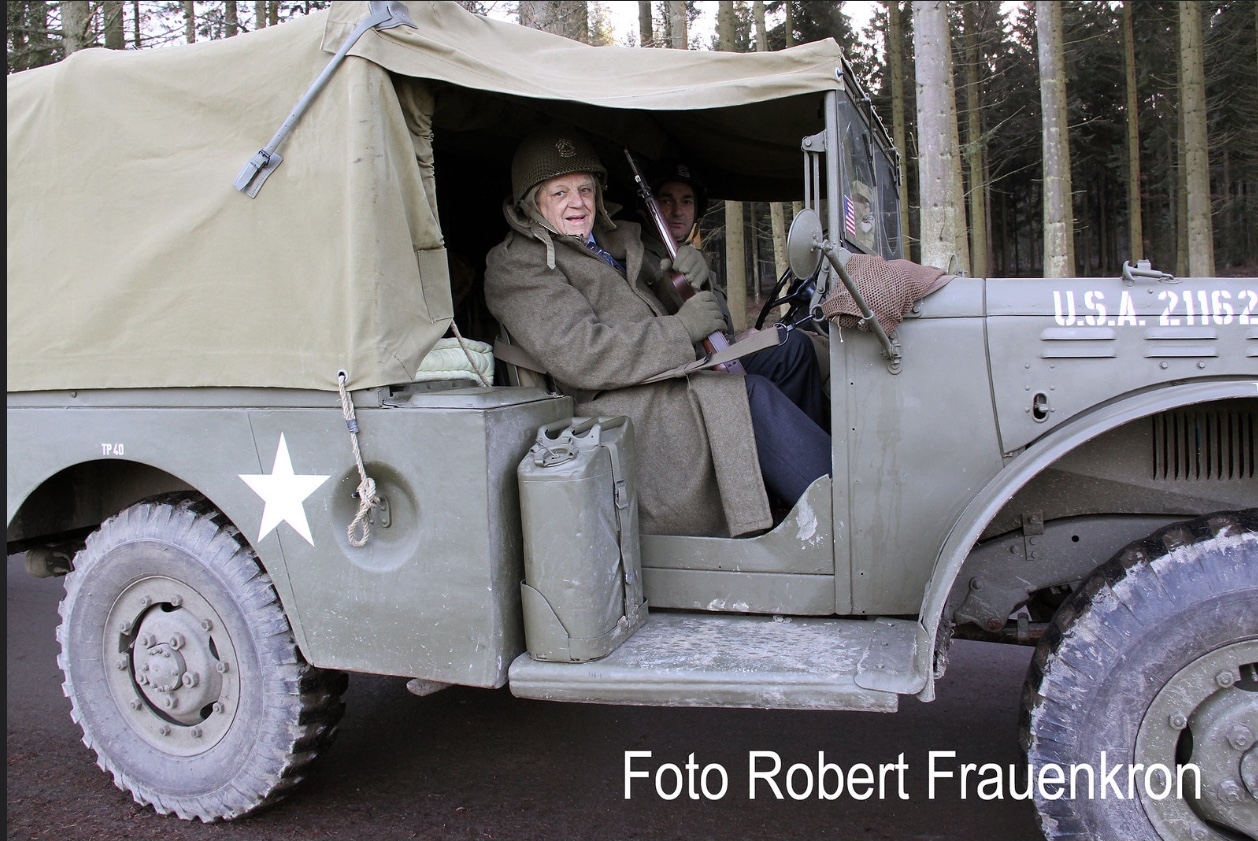
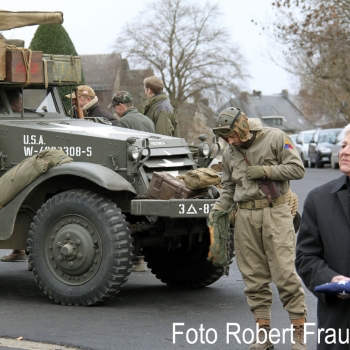
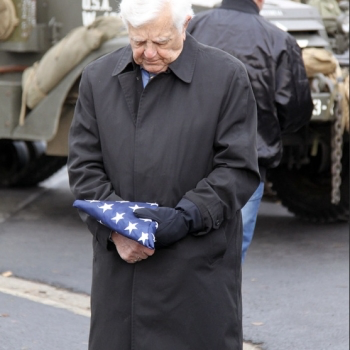
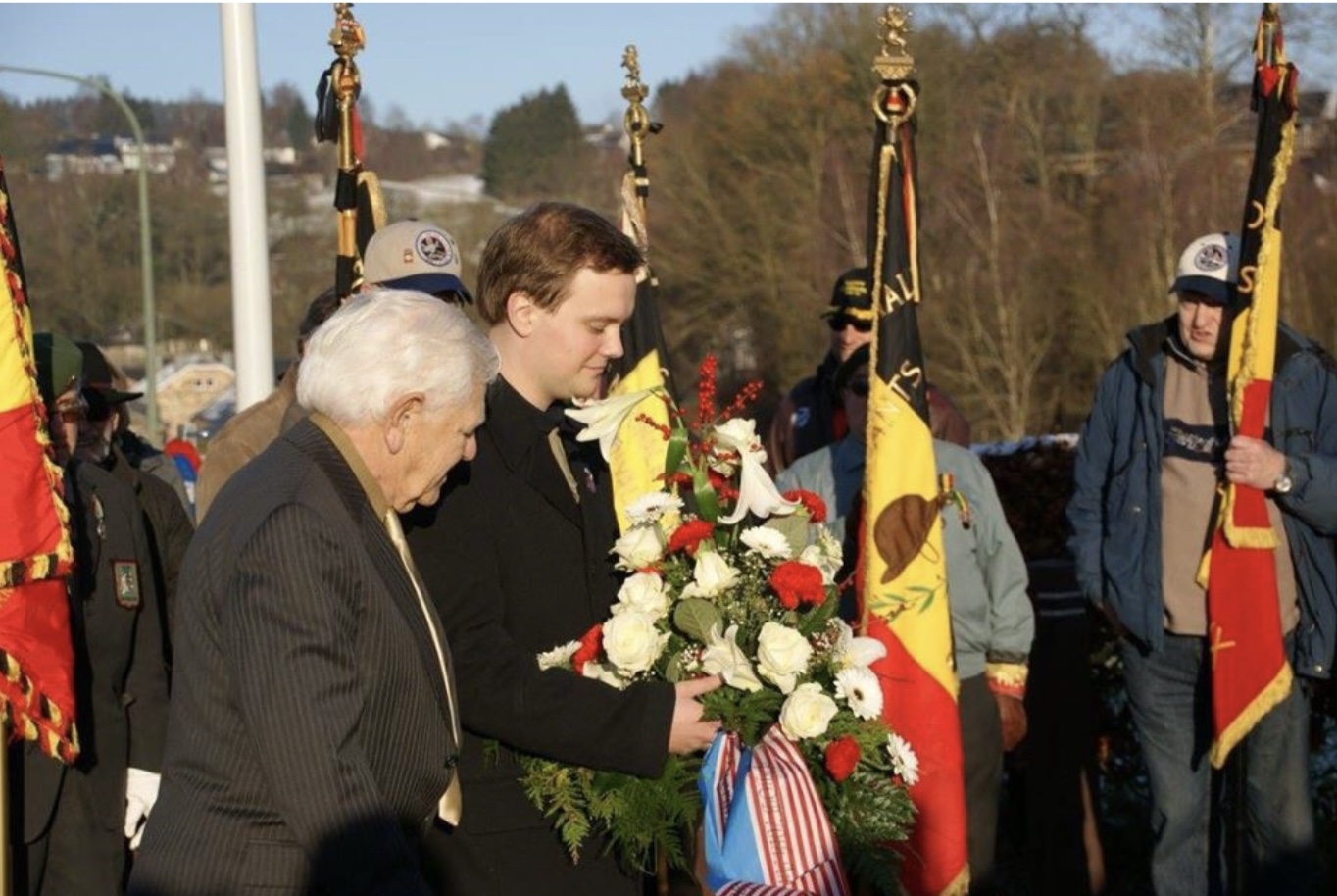
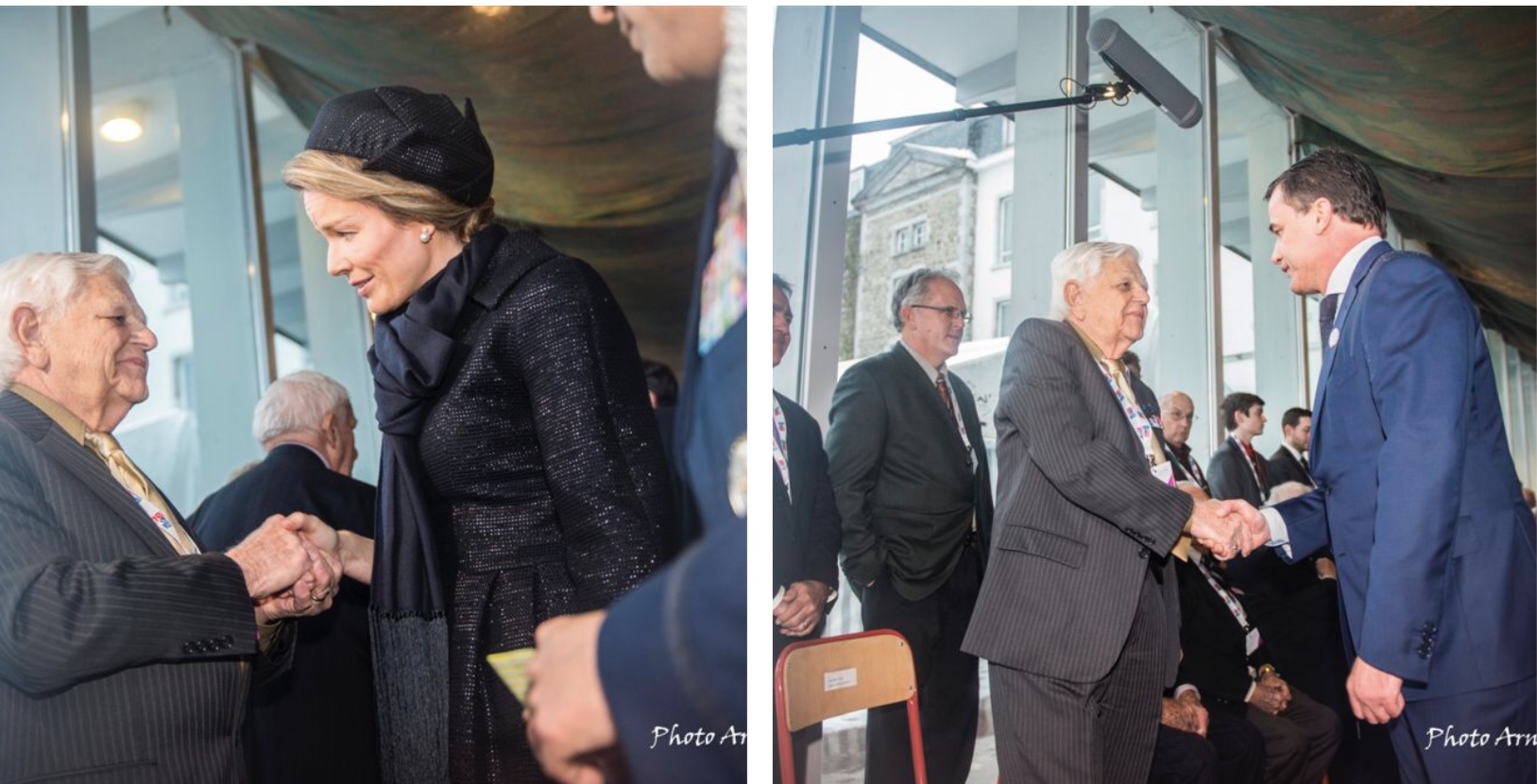
Oh, we spent about a week, so it wasn’t very long, but we were going back to the anniversary of the Battle of the Bulge, and we got to end up in the Ardennes. And we went to the residence house and in Luxembourg; we got to meet the King and the Queen of Belgium! We also encountered Nancy Pelosi and I got to venture to St. Vith in the Ardennes Forest.
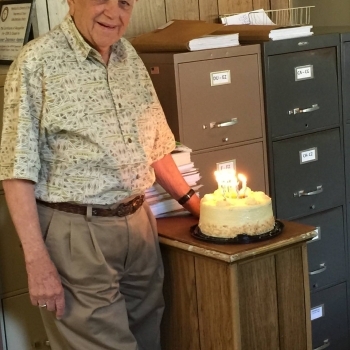
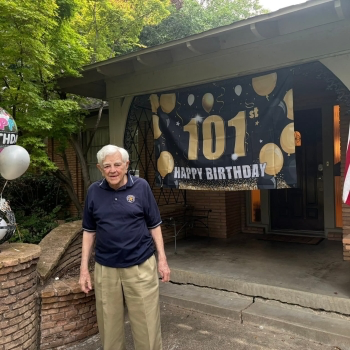
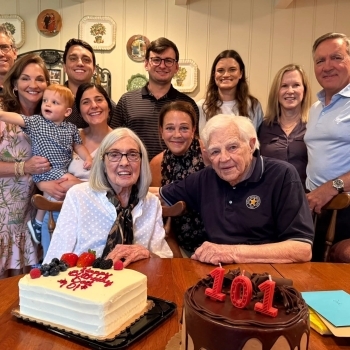
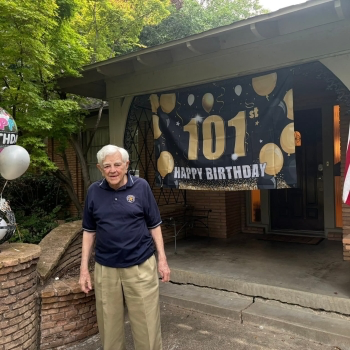
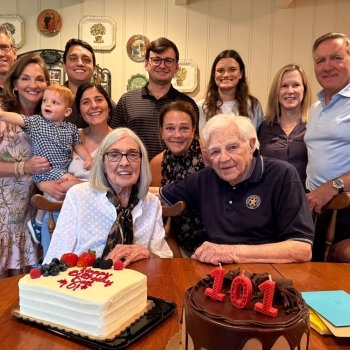
*(Herb is now 101 as of 2025)*
What’s the secret to reaching 98? What is the secret?
I think it’s just in your genes. Like I say, when I started coaching it, I was 30. I was here first set foot on Jesuit. I was 30 years old, and some of the parents thought I was about as old as the kids in high school. I guess matured later, you know? And it has just been that way all my life. It wasn’t good for me to get in the Army when you look like a grade school boy.
What’s the secret to reaching 98? What is the secret?
I think it’s just in your genes. Like I say, when I started coaching it, I was 30. I was here first set foot on Jesuit. I was 30 years old, and some of the parents thought I was about as old as the kids in high school. I guess matured later, you know? And it has just been that way all my life. It wasn’t good for me to get in the Army when you look like a grade school boy.
Because in the Army they want real men. And that’s where I wanted to be an officer. I wanted to go to West Point, but I was too young and too small. I wasn’t that young, but I just didn’t grow up there. So no secret recipes, sir. No secret recipes every day. I do eat two apples a day and I get to be 98.
I’ve had some health problems in the last year or two. I know I left the bathroom and suddenly I just passed out and I fell down. I was suffering from a urinary tract infection, but they got that sorted out.
As we filed back to the front desk entrance, Mr. Sheaner turned slowly to face us. “You know, boys, right now, the world is in a crazy spot. We could have war before Christmas, just like back in my time. I don’t like how we can destroy the world with a few button pushes and nuclear weapons. All you young men can do is stay strong, maintain discipline and respect for others, and pray for your families and communities. That’s all you can do now.”
https://www.indianamilitary.org/German%20PW%20Camps/Prisoner%20of%20War/PW%20Camps/Stalag%20IV-B%20Mulberg/Herb%20Sheaner/Sheaner-Herb.pdf
https://www.normandytothebulge.be/HerbertSheaner.html
https://www.106thinfdivassn.org/events/herbsheaner20160312.html
https://youtu.be/A484-FmocTk?si=C-RmZ4nGWzwH0ReV
Photos: